Gaza Peace Plan Hits Snag: Netanyahu Firm on Disarmament First
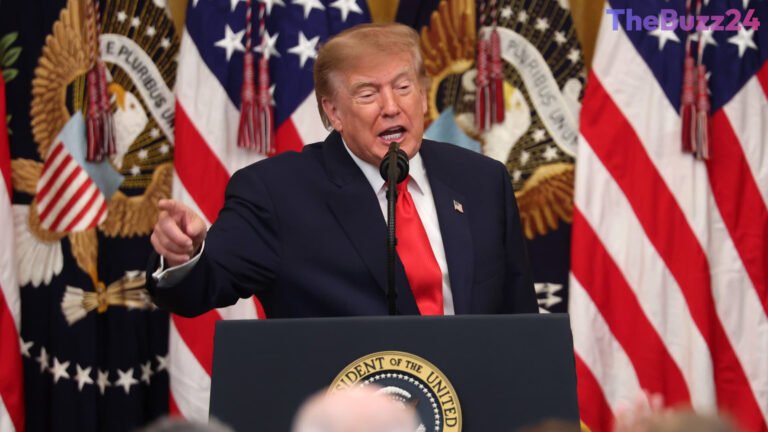
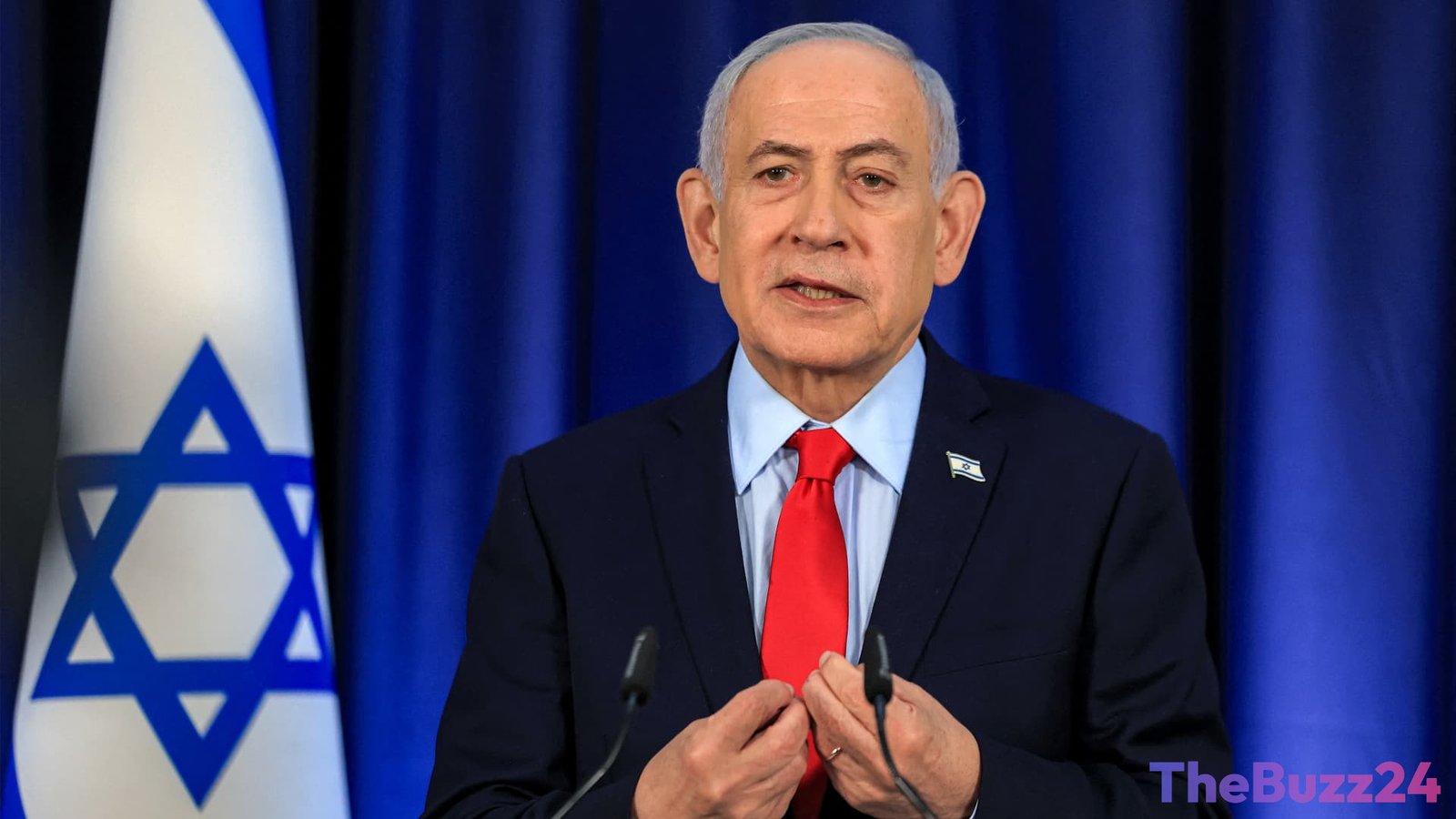
Israeli Prime Minister Benjamin Netanyahu has publicly reiterated his rejection of key components within U.S. President Donald Trump’s latest peace proposal for Gaza. Speaking to his right-wing government, Netanyahu underscored Israel’s firm stance, even as the Israeli military has reportedly scaled back operations in the territory under pressure from the U.S. administration. This development comes as Netanyahu faces significant political challenges domestically, navigating between hardline ministers who oppose concessions and the diplomatic push from his key international ally, President Trump, for progress towards de-escalation.
The proposed 15-point roadmap, which President Trump had previously announced as a breakthrough agreed upon by both Israel and Hamas, aims to end the conflict through an Israeli withdrawal, Hamas disarmament, and the establishment of an International Stabilization Force alongside a new Palestinian police force. However, immediate complications have arisen, primarily concerning the sequencing of these actions. Netanyahu explicitly stated that Israel would not withdraw its forces until Hamas is fully disarmed, encompassing all types of weaponry. This position was echoed in his social media remarks and communicated to Washington, indicating ongoing discussions where some U.S. ideas are deemed acceptable, while others are not.
Adding to the complexity, Hamas officials have affirmed their commitment to the broader roadmap agreed upon in Cairo, but their interpretation of “disarmament” differs significantly from Israel’s. Hamas avoids the term, instead suggesting weapons would be stored under a U.S.-backed Palestinian technocrat administration. The group also insists that the implementation of the deal hinges on Israel fulfilling its own commitments first, including withdrawal and halting attacks. This divergence in understanding, coupled with the political pressures on Netanyahu—including praise from figures like Finance Minister Bezalel Smotrich for his unwavering stance against withdrawal—highlights the formidable obstacles to achieving a lasting resolution in the region.
Key Takeaways
- Israeli Prime Minister Benjamin Netanyahu has rejected key aspects of U.S. President Donald Trump's Gaza peace plan, particularly the timing of Israeli withdrawal relative to Hamas disarmament.
- Significant disagreements persist between Israel and Hamas regarding the definition and sequencing of "disarmament" and the overall implementation timeline of the proposed roadmap.
- Netanyahu's stance is influenced by domestic political pressures, balancing demands from hardline ministers with diplomatic efforts from the U.S.
Editor’s Analysis & Impact
This development significantly complicates President Trump’s efforts to broker a lasting peace in Gaza. Netanyahu’s public rejection, driven by internal political pressures and a fundamental disagreement on the sequencing of disarmament and withdrawal, exposes deep fissures in the proposed roadmap. The divergence between Israel’s demand for complete Hamas disarmament before any withdrawal and Hamas’s more nuanced interpretation of weapon storage under a technocratic administration creates a substantial hurdle. This impasse could prolong the conflict, undermine regional stability, and diminish the credibility of future U.S.-led peace initiatives. For Netanyahu, maintaining a hardline stance is crucial for his political survival, but it risks alienating a key ally and potentially escalating tensions.
Frequently Asked Questions
Q: What is the core disagreement in Trump's Gaza plan?
A: The primary disagreement centers on the sequencing of actions: Israel insists on Hamas's complete disarmament, including all weaponry, before any Israeli military withdrawal. Hamas, while agreeing to a roadmap, interprets "disarmament" as storing weapons under a technocrat administration and expects Israel to fulfill its commitments, such as withdrawal and halting attacks, first.
Q: Who are the main parties involved in these negotiations?
A: The main parties are Israel, led by Prime Minister Benjamin Netanyahu, and Hamas, the governing authority in Gaza. The United States, under President Donald Trump, is mediating the peace plan, with figures like Nikolay Mladenov involved in discussions.
Q: What is the significance of Netanyahu's domestic political situation?
A: Netanyahu is facing re-election and is under pressure from far-right ministers who oppose any concessions in Gaza. His firm stance on the peace plan is partly a response to these domestic political challenges, as he seeks to maintain support from his base while also managing relations with the U.S.
AI Disclosure: This article is based on verified data and official reports. Our Team and AI have cross-referenced every financial detail with primary sources to ensure total accuracy.
More from this Category