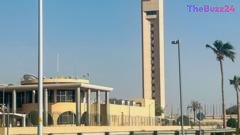
Riyadh Airport Hit by Attack, Multiple Casualties Reported Amid Escalating Regional Conflict
Saudi Arabia’s King Khalid International Airport in Riyadh was the target of an attack that left several people injured and led to the suspension of all operations. The incident follows recent claims by Yemen’s Houthi movement of similar strikes on the vital transport hub, signaling a significant escalation in regional hostilities.
Following the assault, the Saudi Civil Aviation Authority confirmed the suspension of airport activities. Eyewitness accounts described a chaotic scene, with numerous ambulances rushing to the airport and dozens of individuals reportedly wounded. Western embassies, including the U.S. mission, swiftly issued warnings, advising their citizens to avoid the airport and surrounding areas until security could be assured. Several Gulf airlines subsequently canceled or diverted flights to Riyadh, citing the precarious security situation.
This latest attack unfolds amidst a marked resurgence of fighting between Yemen’s Saudi-backed government forces and the Houthis, who maintain control over much of northern Yemen. The conflict, which saw a temporary ceasefire in 2022, has intensified since July, with the Houthis declaring a “maritime embargo” against Saudi Arabia. They assert these cross-border missile and drone attacks, which have also targeted oil facilities and Red Sea tankers, are in retaliation for what they describe as a prolonged Saudi blockade and an earlier airstrike on Sanaa airport. Previous Houthi attacks on Saudi airports have resulted in fatalities, including a pilot and other Saudi nationals.
The ongoing conflict, which began in earnest in 2015 when a Saudi-led coalition intervened to support Yemen’s internationally recognized government against the Houthis, has had devastating humanitarian consequences. The recent escalation, particularly the targeting of civilian infrastructure like airports, underscores the deepening instability in the region and the urgent need for a lasting resolution. Medical sources indicated a “serious emergency situation” at local hospitals, highlighting the immediate human cost of the renewed violence.
Key Takeaways
- An attack on King Khalid International Airport in Riyadh resulted in multiple injuries and suspended operations.
- Yemen's Houthi movement is suspected, marking an escalation in the ongoing conflict with Saudi Arabia.
- The incident prompted international warnings and significant disruptions to air travel in the region.
Editor’s Analysis & Impact
The attack on King Khalid International Airport signifies a dangerous escalation in the Yemen conflict, with direct implications for regional stability and global commerce. For Saudi Arabia, such incidents threaten to undermine confidence in its Vision 2030 economic diversification plans, potentially deterring foreign investment and tourism. The aviation industry faces increased operational risks and insurance costs in the Gulf. Broader implications include heightened geopolitical tensions, a potential for disruption to Red Sea shipping lanes—a critical global trade chokepoint—and renewed international pressure for a diplomatic resolution to the protracted Yemeni civil war. The targeting of civilian infrastructure also raises humanitarian concerns and could further exacerbate the already dire situation in Yemen.
Frequently Asked Questions
Q: What happened at King Khalid International Airport in Riyadh?
A: The airport was subjected to an attack that resulted in multiple injuries and led to the temporary suspension of all airport operations.
Q: Who is believed to be responsible for the attack?
A: Yemen's Houthi movement is suspected of carrying out the attack, having claimed responsibility for similar strikes previously and escalating their conflict with Saudi Arabia.
Q: How has the attack impacted air travel and regional security?
A: The attack caused significant disruptions, with flights to Riyadh being canceled or diverted. It has also prompted international warnings for travelers and underscores the heightened security risks and instability in the Gulf region.
AI Disclosure: This article is based on verified data and official reports. Our Team and AI have cross-referenced every financial detail with primary sources to ensure total accuracy.
More from this Category