Amazon Challenges Logistics Giants with Global Supply Chain Expansion
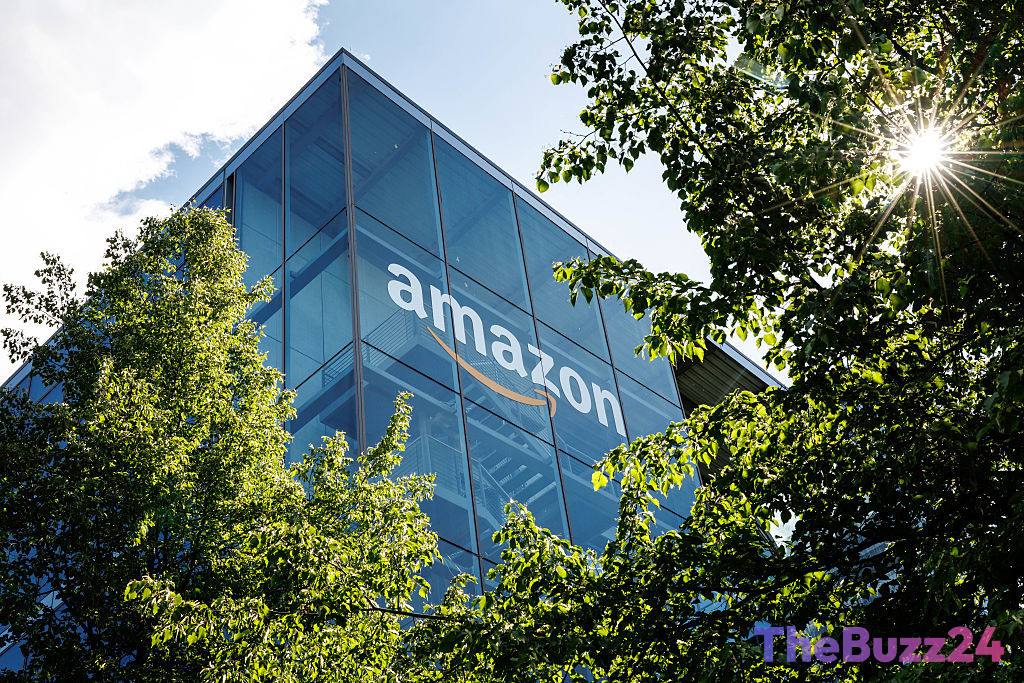
Amazon has officially opened its extensive global logistics network to businesses of all sizes, marking a significant strategic pivot that positions the e-commerce titan as a direct competitor to established shipping incumbents like UPS and FedEx. The new offering, branded as Amazon Supply Chain Services, provides external companies with access to the same freight, distribution, fulfillment, and parcel shipping infrastructure that has powered the company’s own retail dominance for years.
By extending these capabilities to industries ranging from automotive and manufacturing to healthcare and retail, Amazon is effectively transforming its internal logistics operations into a standalone revenue stream. This move mirrors the company’s previous success with Amazon Web Services, which took internal cloud infrastructure and turned it into a foundational utility for the global digital economy. The company aims to provide businesses with the same scale and operational intelligence that third-party sellers on its platform have utilized for decades.
Early adoption of the service is already underway, with major corporations including Procter & Gamble, 3M, Lands’ End, and American Eagle Outfitters integrating the platform into their operations. This expansion represents a major shift in the logistics landscape, as Amazon leverages its massive physical footprint to capture a larger share of the global supply chain market, potentially disrupting traditional shipping models that have long relied on legacy infrastructure.
Key Takeaways
- Amazon is opening its proprietary logistics and fulfillment network to all businesses, directly challenging major shipping carriers like UPS and FedEx.
- The service provides external companies access to Amazon's global freight, distribution, and parcel shipping infrastructure.
- Major brands including 3M and Procter & Gamble have already begun utilizing the platform to manage their supply chain needs.
Editor’s Analysis & Impact
Amazon’s decision to monetize its logistics network is a masterclass in infrastructure leverage. By treating its physical supply chain as a service—much like it did with cloud computing—Amazon is diversifying its revenue streams while simultaneously increasing its ‘moat’ in the e-commerce sector. For the broader market, this creates intense pressure on traditional logistics providers who must now compete with a company that has already optimized its network for extreme efficiency and speed. The long-term implication is a potential consolidation of the logistics industry, where Amazon becomes the backbone for both small businesses and multinational corporations. If successful, this move could fundamentally alter how goods move globally, forcing competitors to accelerate their own digital and automated transformations to remain relevant in a market increasingly dominated by Amazon’s scale.
Frequently Asked Questions
Q: What services are included in Amazon Supply Chain Services?
A: The service provides businesses with access to Amazon's freight, distribution, fulfillment, and parcel shipping capabilities.
Q: Is this service only for small businesses?
A: No, the service is designed for businesses of all sizes and industries, including large corporations like Procter & Gamble and 3M.
AI Disclosure: This article is based on verified data and official reports. Our Team and AI have cross-referenced every financial detail with primary sources to ensure total accuracy.
More from this Category