Amazon Deploys Nobel-Winning HVAC Tech to Slash Building Energy Costs
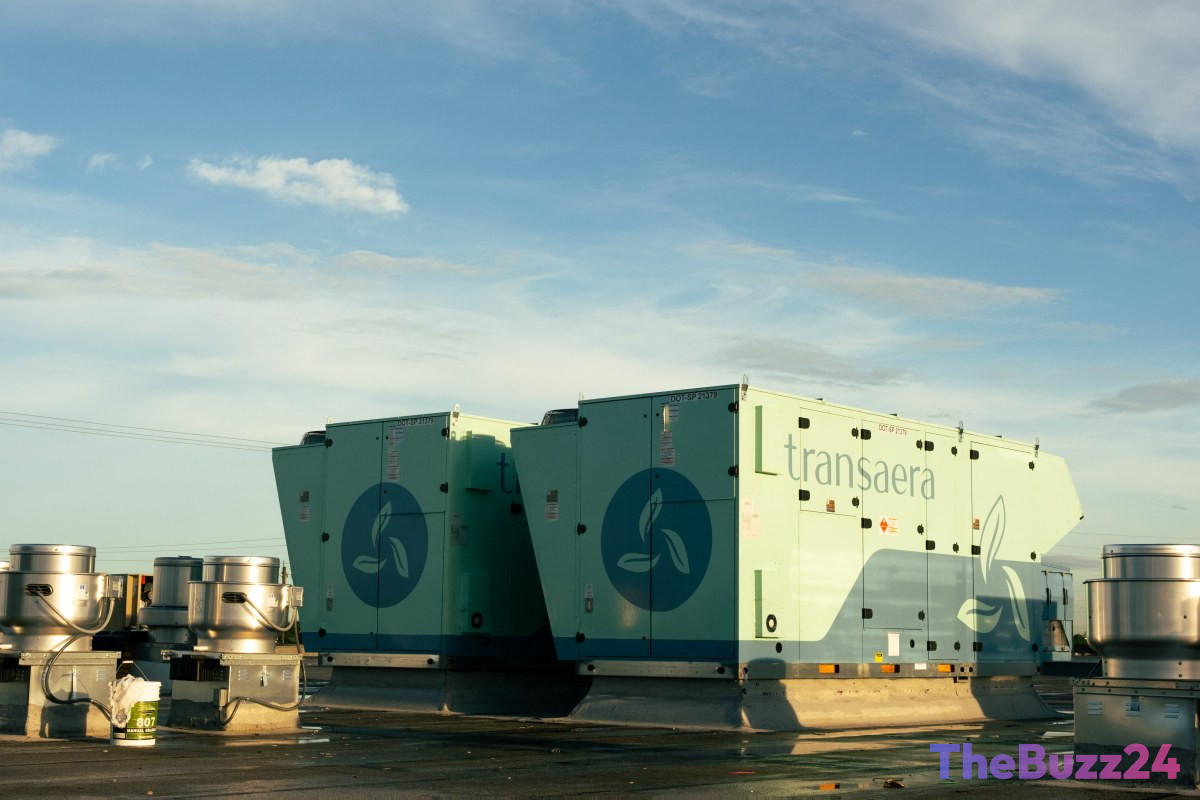
Amazon is significantly upgrading its commercial building infrastructure by integrating advanced dehumidification technology developed by Transaera. This strategic move is a cornerstone of the company’s broader commitment to achieving net-zero carbon emissions by 2040. Following a successful pilot program in Houston, the three-year agreement will see these specialized units deployed across various facilities to combat the high energy demands typically associated with cooling large-scale commercial spaces in humid environments.
The core of this innovation lies in a dedicated outdoor air system (DOAS) that features a proprietary desiccant material. This substance, which is based on a class of materials recognized with a Nobel Prize in 2025, coats a rotating wheel within the unit. By capturing moisture from incoming air before it reaches the primary cooling components, the system significantly reduces the workload on traditional air conditioning units. This prevents the common practice of over-cooling air solely to extract humidity, which is a major driver of excess power consumption.
Designed for seamless integration, the technology serves as a direct, like-for-like replacement for existing HVAC infrastructure. This approach allows for rapid adoption across Amazon’s extensive real estate portfolio without the need for complex retrofitting. By collaborating with domestic manufacturers to scale production, the initiative aims to establish a new benchmark for energy-efficient climate control, potentially providing a scalable blueprint for other industrial giants seeking to reduce their environmental impact.
Key Takeaways
- Amazon has entered a three-year partnership to install Transaera’s high-efficiency dehumidification systems in its commercial properties.
- The technology uses Nobel-inspired desiccant materials to remove humidity, drastically lowering the energy required for standard cooling.
- The units are engineered as drop-in replacements, facilitating easy upgrades for existing building infrastructure.
Editor’s Analysis & Impact
The integration of Nobel-inspired desiccant technology by a global leader like Amazon represents a pivotal shift in industrial energy management. HVAC systems have long been a primary source of carbon emissions and operational costs in commercial real estate. By decoupling the dehumidification process from temperature regulation, this technology solves a long-standing inefficiency in building design. From a market standpoint, this deployment serves as a high-profile validation of advanced materials science in practical, large-scale applications. The ‘like-for-like’ replacement strategy is particularly significant, as it removes the financial and logistical friction that often prevents companies from upgrading legacy systems. If this rollout succeeds, it will likely trigger a ripple effect across the commercial sector, compelling competitors to adopt similar high-efficiency solutions to meet tightening sustainability mandates and reduce long-term utility expenditures.
Frequently Asked Questions
Q: How does the new HVAC technology save energy?
A: The system uses a specialized desiccant wheel to remove moisture from the air before it reaches the main cooling unit. This prevents the need to over-cool air just to extract humidity, which is a major source of energy waste in traditional HVAC systems.
Q: Is this technology difficult to install in existing buildings?
A: No, the units are designed to be a 'like-for-like' replacement, meaning they can be integrated into existing commercial HVAC infrastructure without requiring a complete overhaul of the building's climate control systems.
AI Disclosure: This article is based on verified data and official reports. Our Team and AI have cross-referenced every financial detail with primary sources to ensure total accuracy.
More from this Category