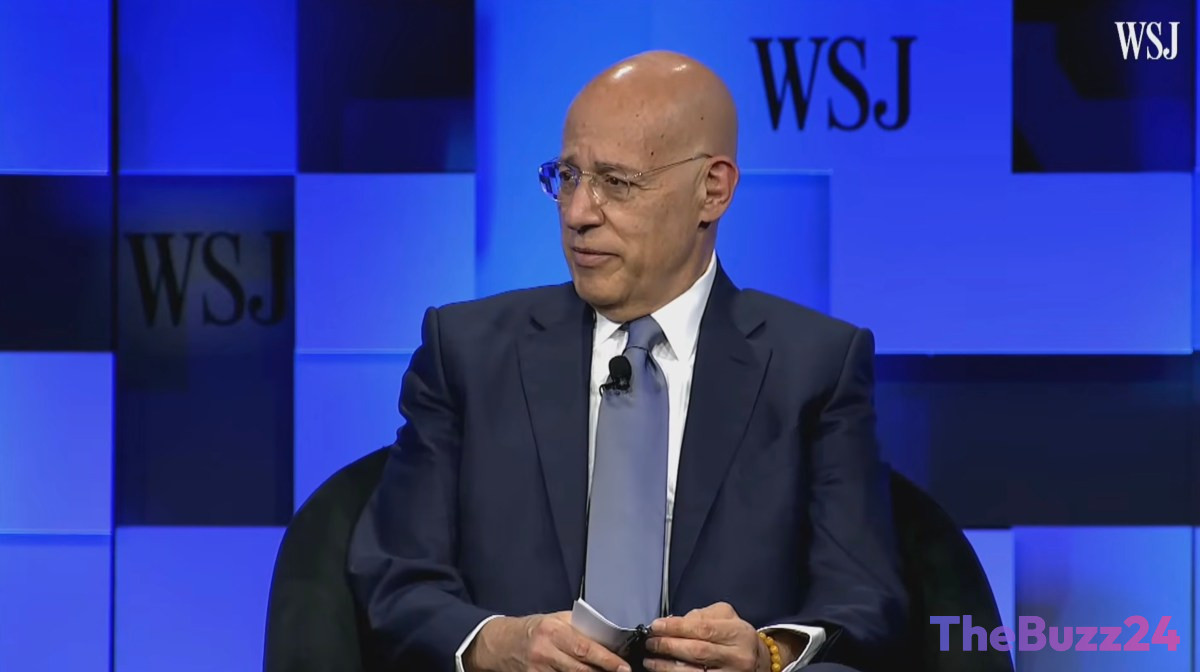
Modernizing the Public Sector: Airbnb Co-founder Recruits Branding Expert to Overhaul U.S. Government Digital Services
Joe Gebbia, the billionaire co-founder of Airbnb, is spearheading a major initiative through the U.S. National Design Studio to modernize the federal government’s digital infrastructure. As part of this effort, Gebbia has appointed renowned designer Peter Arnell to serve as the nation’s first Chief Brand Architect. Arnell, who boasts a four-decade career working with global giants like Samsung, Pepsi, and The Home Depot, is tasked with bringing a cohesive, user-centric design language to the vast array of government digital platforms.
The project aims to unify the digital experience across approximately 27,000 government websites. Rather than rebranding the nation, the initiative focuses on creating a consistent, intuitive interface that fosters public trust. By applying the same user experience (UX) principles that helped scale Airbnb into a global platform, the team intends to simplify complex bureaucratic processes, making them more accessible and reliable for the average citizen.
Early results from the initiative demonstrate the potential for significant efficiency gains. The team has already successfully digitized complex workflows, such as retirement applications, reducing processing times from months to mere minutes. Furthermore, by streamlining navigation and eliminating cumbersome UX patterns—such as excessive clicks and frequent page timeouts—the project is actively reducing the friction that has historically plagued government digital services. The ultimate goal is to ensure that interacting with the government is as seamless as using a modern consumer application.
Key Takeaways
- Airbnb co-founder Joe Gebbia has appointed veteran designer Peter Arnell as the first Chief Brand Architect for the U.S. government.
- The initiative aims to overhaul 27,000 government websites to improve consistency, trust, and user experience.
- Early prototypes have already achieved major successes, including reducing complex application processes from months to minutes.
Editor’s Analysis & Impact
This initiative represents a significant shift in how the public sector approaches digital transformation. By importing private-sector design philosophies into government operations, the U.S. National Design Studio is addressing a long-standing issue: the ‘digital divide’ between consumer-grade technology and public services. The market impact of this move could be profound; if successful, it sets a new standard for government efficiency and could lead to increased demand for private-sector design talent within the public sphere. However, the sheer scale of 27,000 websites presents a massive logistical challenge. The future outlook depends on the team’s ability to maintain momentum while navigating bureaucratic hurdles. If they can prove that user-centric design reduces administrative costs and improves citizen satisfaction, this model will likely be adopted by other government agencies and potentially international entities looking to modernize their own digital footprints.
Frequently Asked Questions
Q: What is the primary goal of the U.S. National Design Studio?
A: The primary goal is to modernize the U.S. government's digital presence by creating a consistent, user-friendly, and efficient experience across thousands of federal websites.
Q: Is the government being rebranded?
A: No. According to the project leads, the objective is not to rebrand the country, but to apply consistent design standards and UX principles to make government services easier to navigate.
AI Disclosure: This article is based on verified data and official reports. Our Team and AI have cross-referenced every financial detail with primary sources to ensure total accuracy.
More from this Category