From Supersonic Jets to Space Stations: NASA’s Dryden Range is a Critical Nerve Center
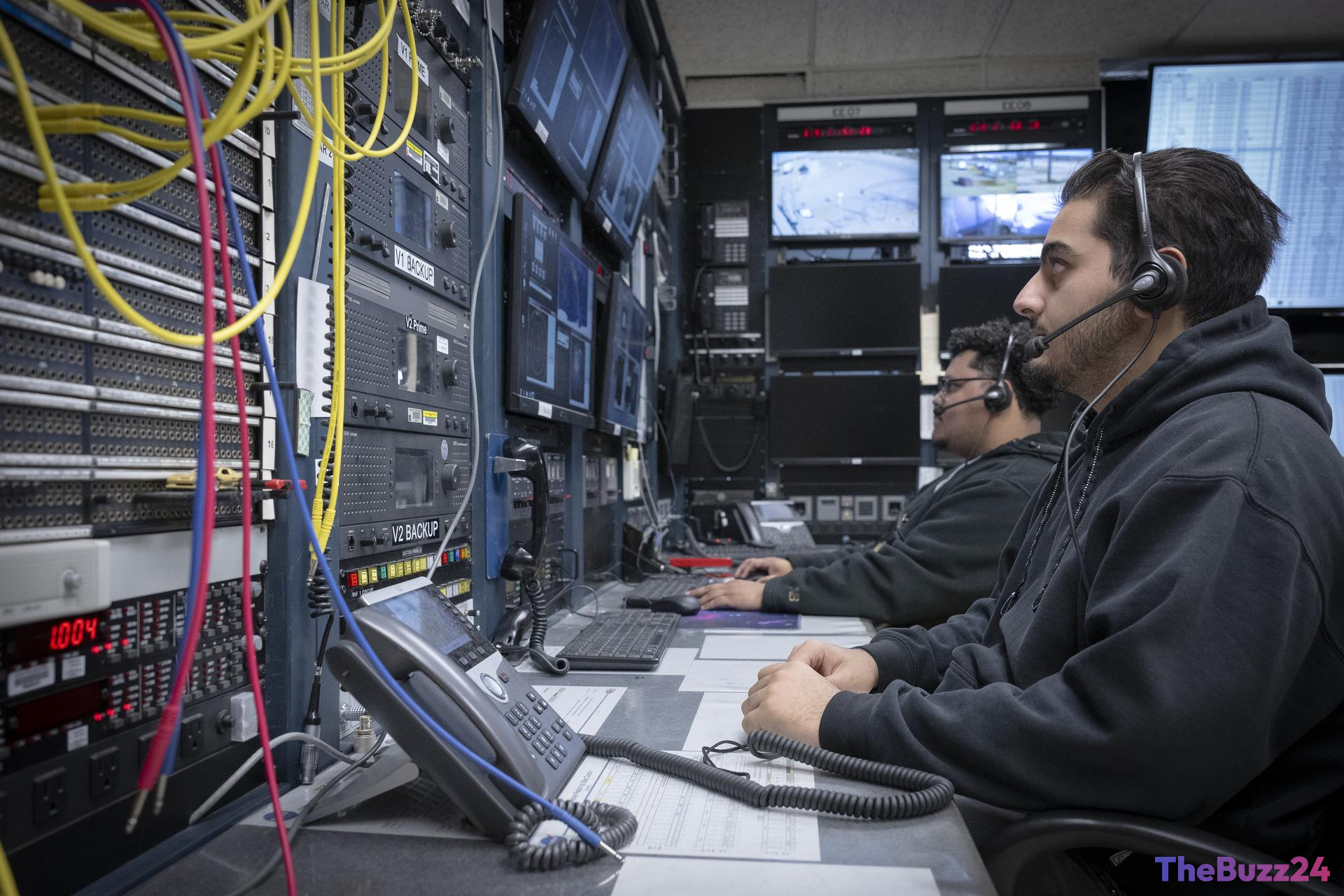
Nestled at NASA’s Armstrong Flight Research Center in Edwards, California, the Dryden Aeronautical Test Range (DATR) stands as a pivotal operational hub, silently powering some of the agency’s most ambitious endeavors. This sophisticated facility provides indispensable communications, tracking, and data services, serving as the backbone for both advanced aeronautical research and vital space missions, including continuous support for the International Space Station (ISS).
The DATR’s capabilities are crucial for a wide array of experimental aircraft and flight research. It supplies real-time communications, radar, and telemetry, alongside video capabilities, essential for monitoring projects such as NASA’s X-59 quiet supersonic research aircraft and the innovative Crossflow Attenuated Natural Laminar Flow (CATNLF) wing model. The CATNLF, tested on an F-15B research jet, aims to enhance airflow, reduce drag, and ultimately lower fuel costs for future commercial aircraft. Significant modernization efforts, initiated in the early 2020s, have expanded these capabilities, preparing the range for the next generation of flight and space exploration.
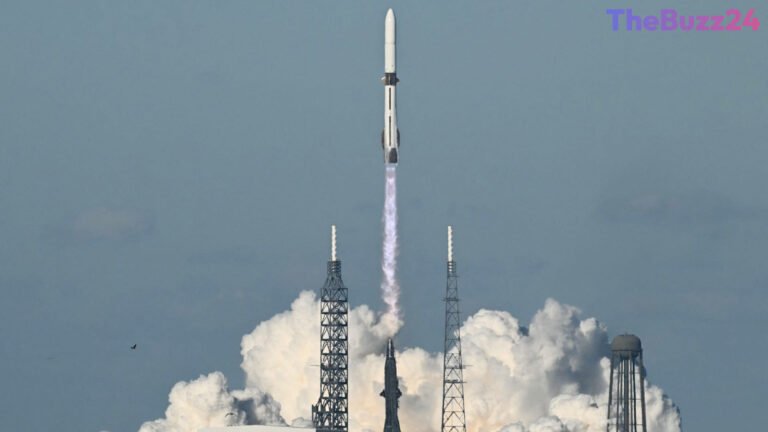
Beyond aeronautics, the DATR plays an indispensable role in space mission support. It is a critical component of NASA’s safety and communications infrastructure for the ISS, providing backup communications and telemetry during launches, dockings, and reentries. Notably, the Armstrong Flight Research Center is one of only two ground stations in the United States capable of handling all International Space Station frequencies, a testament to its strategic importance. To further accelerate research, the range is actively streamlining data processing, including automating steps and collaborating with the U.S. Air Force to reduce post-flight data processing times from hours to mere minutes.
These ongoing advancements and operational efficiencies underscore the DATR’s foundational contribution to NASA’s overarching mission. By ensuring safe, efficient, and data-rich operations for both Earth-bound flight research and orbital space endeavors, the Dryden Aeronautical Test Range remains at the forefront of technological progress, enabling breakthroughs that shape the future of aviation and space exploration.
Key Takeaways
- The Dryden Aeronautical Test Range (DATR) at NASA's Armstrong Flight Research Center is a vital hub providing critical communications, tracking, and data services for both advanced aeronautical research and International Space Station missions.
- DATR supports cutting-edge projects like the X-59 quiet supersonic aircraft and the CATNLF wing model, while ongoing modernization efforts enhance its capabilities for future flight and space endeavors.
- As one of only two U.S. ground stations capable of handling all ISS frequencies, DATR plays a crucial backup role in space station operations and is actively streamlining data processing to accelerate research outcomes.
Editor’s Analysis & Impact
The advancements at NASA’s Dryden Aeronautical Test Range (DATR) have significant implications across the aerospace industry. Its support for projects like the CATNLF wing, aimed at reducing drag and fuel costs, directly impacts the future of commercial aviation, potentially leading to more efficient and sustainable aircraft designs. Similarly, its role in the X-59 quiet supersonic program could pave the way for a new era of commercial supersonic travel.
The future outlook for NASA’s research and development is greatly enhanced by DATR’s modernization and data streamlining efforts. Faster data processing means quicker iterations in experimental flight, accelerating innovation in both aeronautics and space technologies. This efficiency is paramount as NASA pursues ambitious goals, including lunar missions and deeper space exploration. Furthermore, DATR’s critical backup role for ISS communications highlights the necessity of robust ground infrastructure for sustained human presence in space, a foundation for future commercial space activities and international collaborations.
Frequently Asked Questions
Q: What is the primary function of NASA's Dryden Aeronautical Test Range (DATR)?
A: The DATR serves as a critical operational hub at NASA's Armstrong Flight Research Center, providing essential communications, tracking, and data services for both advanced aeronautical research and International Space Station missions.
Q: How does the DATR support cutting-edge aeronautical projects?
A: The DATR provides real-time data, radar, telemetry, and video capabilities to monitor and support experimental aircraft like the X-59 quiet supersonic research aircraft and the Crossflow Attenuated Natural Laminar Flow (CATNLF) wing model, which aims to improve fuel efficiency for future commercial jets.
Q: What is the significance of DATR's role in International Space Station (ISS) operations?
A: The DATR is one of only two ground stations in the United States capable of sending and receiving messages on all ISS frequencies, making it a crucial backup for communications and telemetry during launches, dockings, and reentries, thereby enhancing the safety and reliability of space station missions.
AI Disclosure: This article is based on verified data and official reports. Our Team and AI have cross-referenced every financial detail with primary sources to ensure total accuracy.
More from this Category