Precious Metals Poised for Resurgence as Geopolitical Tensions Ease, Analysts Predict
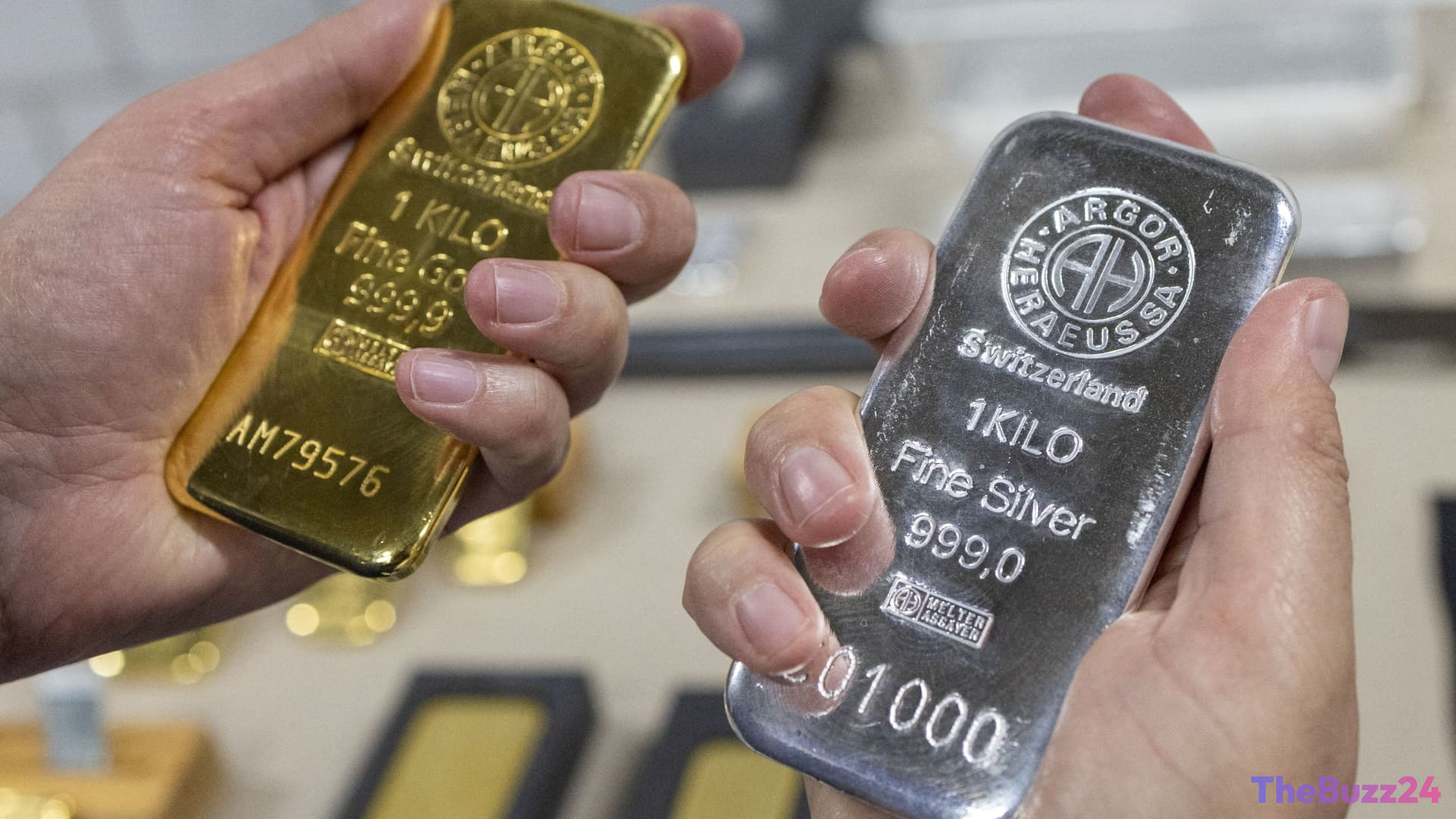
Gold and silver prices are on the cusp of a potential resurgence, with market watchers suggesting that a resolution to the ongoing U.S.-Iran conflict could reignite the rally seen in these precious metals. Despite recent volatility, strategists anticipate a return to bullish trends for gold and silver as key market drivers re-emerge.
During the recent period of heightened geopolitical tension, gold’s performance as a traditional safe-haven asset faced scrutiny. Its price movements often mirrored those of oil and the U.S. dollar, deviating from its typical inverse correlation. Factors such as the prospect of rising interest rates, a strengthening dollar fueled by oil price surges, and traders liquidating positions contributed to a recent pullback, especially as gold entered the conflict period in an “overbought” condition. This allowed for profit-taking and market consolidation.
However, a potential peace settlement between the U.S. and Iran could significantly alter the market landscape. Analysts suggest that the easing of these geopolitical pressures would remove headwinds for gold and silver, allowing their underlying bullish fundamentals to reassert themselves. The metals experienced record-breaking rallies in the past, and while 2026 has seen more turbulent trading, the core elements supporting their value remain intact. Central banks are expected to continue diversifying reserves into gold, and the persistent inflationary environment necessitates holding real assets like precious metals.
Furthermore, industrial demand for silver, particularly from sectors like green technology and AI, continues to grow, tightening supply and supporting prices. While short-term fluctuations may persist until a stable peace agreement is formalized, the long-term outlook for both gold and silver remains positive. Improved economic sentiment, increased industrial activity, and a renewed investor appetite for tangible assets are all expected to contribute to further price appreciation.
Key Takeaways
- A potential U.S.-Iran peace deal could trigger a resumption of the rally in gold and silver prices.
- Geopolitical tensions have recently caused volatility, but underlying demand drivers for precious metals remain strong.
- Industrial demand for silver, particularly from green tech and AI, combined with central bank diversification into gold, supports long-term price appreciation.
Editor’s Analysis & Impact
The precious metals market is at an interesting juncture, heavily influenced by geopolitical events and macroeconomic factors. The potential resolution of the U.S.-Iran conflict could act as a significant catalyst, removing a key source of uncertainty that has impacted investor sentiment and market dynamics. While inflation and central bank policies remain critical, the easing of ‘fog of war’ could unlock pent-up investor demand. The dual drivers of safe-haven appeal and robust industrial demand, especially for silver in technology sectors, suggest a strong underlying foundation for future growth. This presents an opportunity for investors seeking diversification and protection against economic uncertainty, potentially leading to new all-time highs.
Frequently Asked Questions
Q: What factors have recently impacted gold and silver prices?
A: Recent volatility in gold and silver prices has been influenced by geopolitical tensions, particularly the U.S.-Iran conflict, alongside macroeconomic factors such as potential interest rate hikes, the strength of the U.S. dollar, and oil price fluctuations. Traders' decisions and the 'overbought' status of gold also played a role.
Q: How could a U.S.-Iran peace deal affect gold and silver?
A: A peace settlement could ease geopolitical uncertainty, removing headwinds for gold and silver. This would likely allow their traditional roles as safe-haven assets to reassert themselves, potentially leading to a resumption of their upward price trends as investors regain confidence and re-enter the market.
Q: What are the long-term drivers for silver demand?
A: Long-term demand for silver is significantly driven by its essential role in various industrial applications, including green technologies like solar panels, and the rapidly growing artificial intelligence (AI) sector. This sustained industrial demand, coupled with tight physical supply, provides a strong fundamental basis for price support.
AI Disclosure: This article is based on verified data and official reports. Our Team and AI have cross-referenced every financial detail with primary sources to ensure total accuracy.
More from this Category