Testimony Reveals Musk’s Past Efforts to Merge OpenAI with Tesla
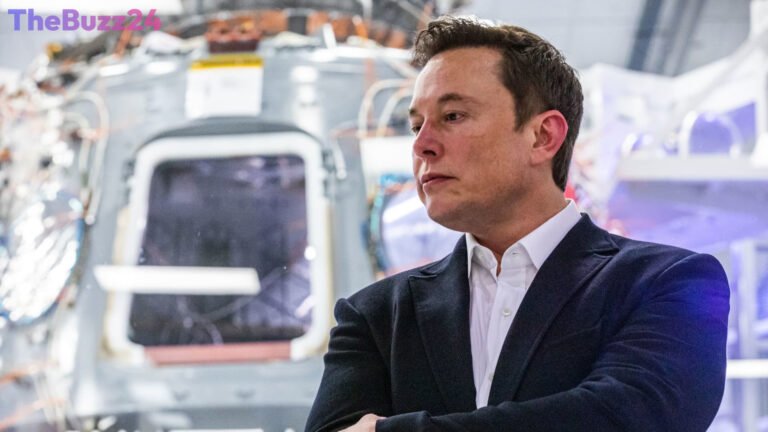
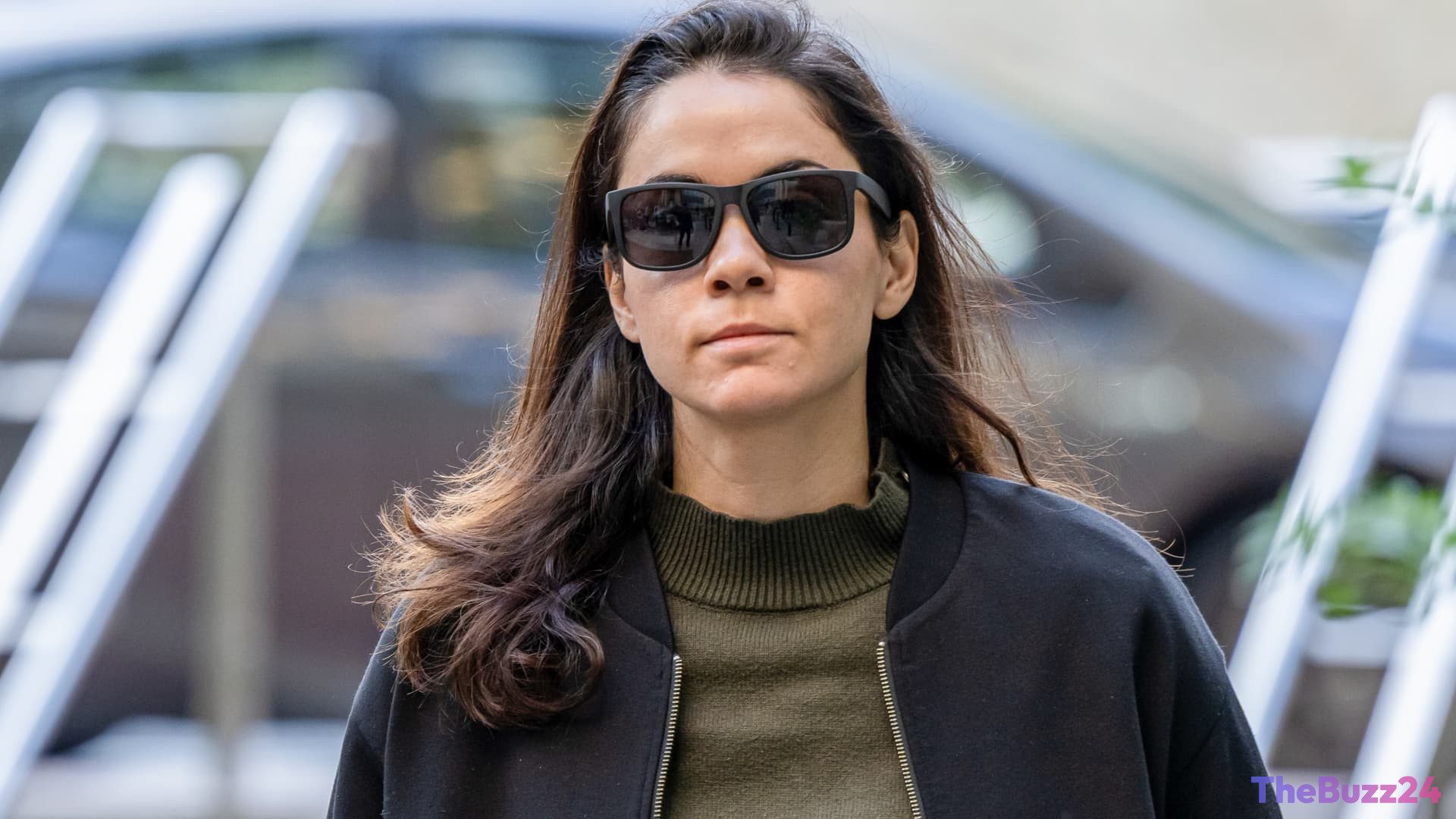
The high-stakes legal battle between Elon Musk and OpenAI leadership reached a pivotal moment this week as Shivon Zilis, a former board member and close associate of Musk, took the stand. The proceedings, which are currently concluding their second week, center on Musk’s 2024 lawsuit alleging that OpenAI’s transition from a nonprofit to a for-profit entity violated its original charitable mission. Zilis, who served on the OpenAI board from 2020 to 2023, provided testimony regarding the intense internal debates surrounding the company’s corporate structure during its formative years.
During her testimony, Zilis revealed that the organization’s leadership discussed various for-profit models “ad nauseam” between 2017 and 2018. She disclosed that at one point, Musk proposed that OpenAI be integrated into Tesla, even offering CEO Sam Altman a seat on the Tesla board. These negotiations ultimately failed, leading to Musk’s departure from the board and the subsequent establishment of OpenAI’s for-profit subsidiary. Zilis noted that her role during this period was to act as a liaison between the company’s co-founders, including Altman, Greg Brockman, and Ilya Sutskever.
Evidence presented in court, including internal communications, painted a complex picture of Musk’s relationship with the startup after his exit. Documents showed that Musk initiated a “funding freeze” on his donations to the organization and actively sought to recruit talent from OpenAI to join Tesla. While Musk argued in his own testimony that he was not opposed to a for-profit structure in principle, he maintained that the current iteration of OpenAI represents a betrayal of its founding principles. The trial continues to explore these allegations, with further testimony expected from key industry figures.
Key Takeaways
- Shivon Zilis testified that Elon Musk previously proposed merging OpenAI into Tesla and offered Sam Altman a board seat.
- Internal communications revealed that Musk implemented a funding freeze and actively recruited OpenAI staff for Tesla projects.
- The lawsuit hinges on whether OpenAI’s shift to a for-profit model constitutes a breach of its original nonprofit mission.
Editor’s Analysis & Impact
The ongoing trial between Elon Musk and OpenAI serves as a critical case study in the governance of artificial intelligence research. By exposing the internal friction between nonprofit ideals and the massive capital requirements of AI development, the case highlights the inherent instability of hybrid corporate structures. The revelation that Musk sought to fold OpenAI into Tesla suggests that his vision for AI has long been tied to his broader industrial ecosystem, rather than purely altruistic research. Moving forward, this trial will likely set a precedent for how AI startups manage intellectual property and talent retention when transitioning to commercial entities. The outcome could force a re-evaluation of how ‘charitable’ AI labs are structured, potentially leading to stricter regulatory oversight regarding the fiduciary duties of nonprofit boards in the tech sector.
Frequently Asked Questions
Q: Why is Elon Musk suing OpenAI?
A: Musk alleges that OpenAI and its leaders, Sam Altman and Greg Brockman, abandoned the company's original nonprofit mission and charitable commitments by pivoting to a for-profit model.
Q: What was Shivon Zilis's role at OpenAI?
A: Shivon Zilis served as an informal advisor starting in 2016 and later held a seat on the OpenAI board of directors from 2020 to 2023.
AI Disclosure: This article is based on verified data and official reports. Our Team and AI have cross-referenced every financial detail with primary sources to ensure total accuracy.
More from this Category