Paul Tudor Jones Urges Immediate U.S. Action on AI Regulation
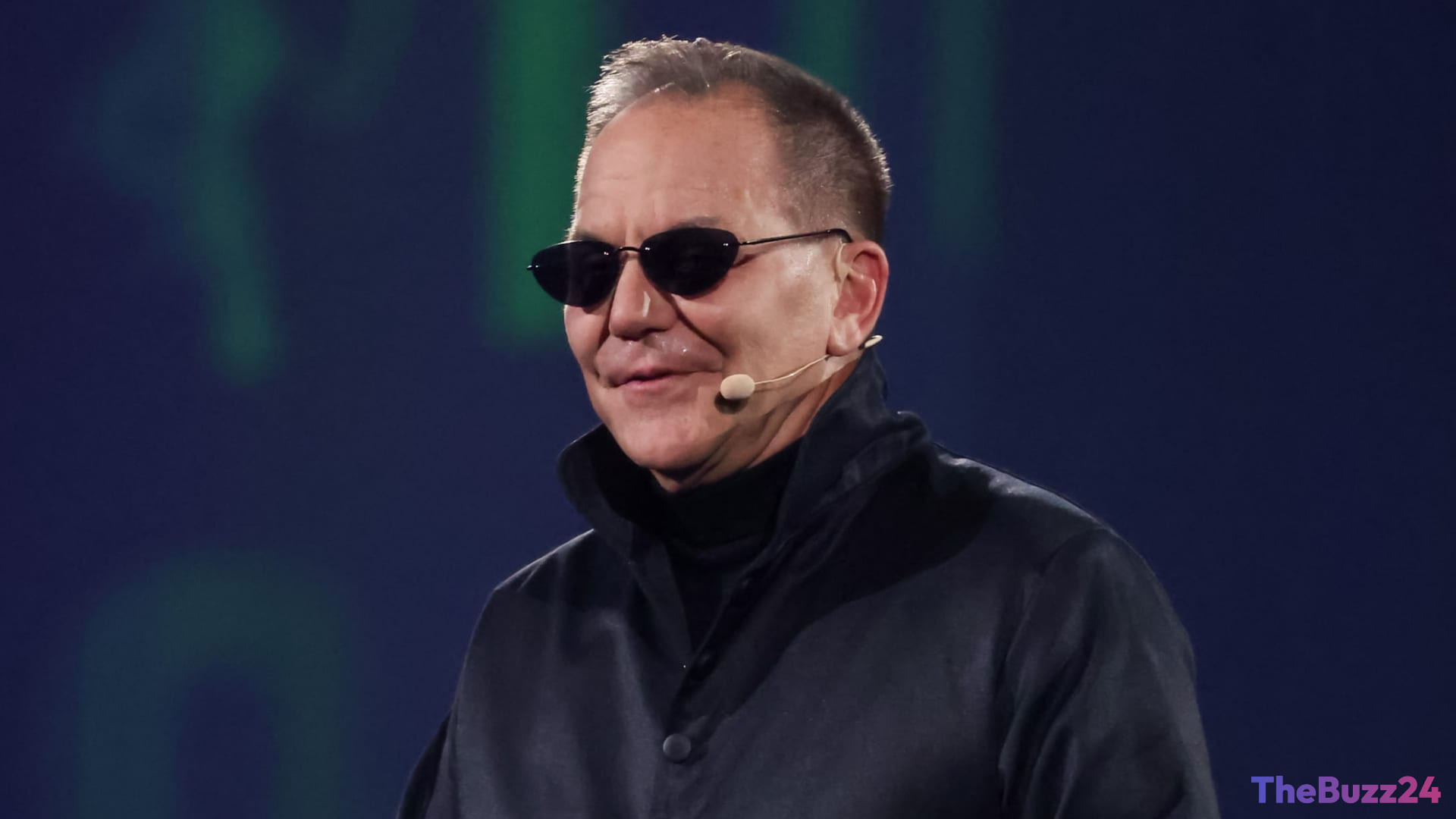
Billionaire hedge fund manager Paul Tudor Jones has issued a stark warning regarding the current state of artificial intelligence oversight in the United States, asserting that the nation is significantly behind in establishing necessary regulatory guardrails. Jones emphasized that the urgency for legislative action is paramount, suggesting that the window for proactive governance is closing rapidly as the technology evolves.
Central to Jones’s concerns is the proliferation of deepfakes and the potential for misinformation. He advocates for the mandatory implementation of watermarking technology to clearly distinguish between authentic content and AI-generated media. This sentiment reflects a growing consensus within the tech industry; Jones noted that support for regulation among AI experts and model developers has surged from 20% to 80% over the past year, signaling a shift in perspective even among those building the software.
While the White House introduced a national AI policy framework in March and several states have begun addressing specific issues like child safety, a comprehensive federal strategy remains elusive. Meanwhile, the global landscape is becoming increasingly complex, with the U.S. engaged in a competitive race with China. Jones suggests that despite this rivalry, there is a critical need for open dialogue between the two nations regarding AI safety protocols to ensure the technology does not pose an existential threat to either population.
Key Takeaways
- Paul Tudor Jones argues the U.S. is lagging in AI regulation and needs immediate federal intervention.
- Industry support for AI regulation has jumped from 20% to 80% among experts and developers in the last year.
- Mandatory watermarking for AI-generated content is proposed as a vital step to combat the rise of deepfakes.
Editor’s Analysis & Impact
The call for AI regulation from high-profile investors like Paul Tudor Jones highlights a pivotal shift in market sentiment. Initially, the tech sector prioritized rapid innovation and market dominance, often viewing regulation as a barrier to growth. However, the rapid advancement of generative AI has created significant reputational and security risks that now threaten long-term stability. The industry’s pivot toward supporting oversight suggests that companies are beginning to view standardized safety protocols as a prerequisite for sustainable adoption rather than a hindrance. Looking ahead, the intersection of AI safety and geopolitical competition between the U.S. and China will likely define the next decade of tech policy. Investors should anticipate increased compliance costs, but also a more stable environment for AI-driven business models as clear regulatory frameworks eventually emerge.
Frequently Asked Questions
Q: Why does Paul Tudor Jones believe AI regulation is urgent?
A: Jones argues that the technology is advancing too quickly to remain unchecked, specifically citing the dangers of deepfakes and the need for clear distinctions between real and AI-generated content.
Q: What is the current status of AI regulation in the U.S.?
A: The U.S. currently lacks a comprehensive federal law, though the White House released a policy framework in March and some individual states have passed legislation focused on specific issues like child safety.
AI Disclosure: This article is based on verified data and official reports. Our Team and AI have cross-referenced every financial detail with primary sources to ensure total accuracy.
More from this Category