Victory Day Ceasefire Collapses as Russia and Ukraine Exchange Heavy Strikes
A temporary truce intended to mark the anniversary of the Soviet victory over Nazi Germany has collapsed, with both Russia and Ukraine trading accusations of widespread ceasefire violations. Despite separate pauses proposed by both Moscow and Kyiv to cover the Victory Day celebrations, heavy fighting, drone deployments, and artillery strikes have persisted across the frontlines and deep into both nations’ territories.
The Russian defense ministry reported over a thousand violations of the truce, claiming that Ukrainian forces launched hundreds of drone and artillery strikes targeting border regions like Kursk and Belgorod, as well as industrial sites in Rostov and Grozny. In Moscow, where security has been heavily tightened ahead of the annual Red Square parade, municipal authorities reported downing dozens of drones. For the first time in nearly twenty years, the Victory Day parade will feature no military hardware, and mobile internet access has been restricted in major cities like Moscow and St. Petersburg due to security concerns.
Conversely, Ukrainian President Volodymyr Zelensky stated that Russian forces showed no genuine intent to honor any ceasefire, reporting hundreds of strikes on Ukrainian positions within the initial hours of the declared truce. Ukrainian officials also accused Russia of launching drone strikes on civilian infrastructure, including an attack on a kindergarten in the Sumy region that resulted in two fatalities. In response to the heightened threat environment, Moscow has warned foreign diplomats to evacuate Kyiv, threatening massive retaliatory missile strikes on the Ukrainian capital if Russian territory is targeted during the celebrations.
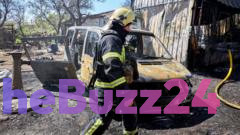
Amid the escalating hostilities, diplomatic maneuvers continue in the background. European Council President António Costa indicated that the European Union is exploring avenues to initiate security talks with Russia, a move he suggested has tentative backing from Kyiv. Meanwhile, US officials expressed a willingness to mediate future negotiations but cautioned against unproductive talks. Adding to the region’s challenges, emergency crews in Ukraine are currently battling a massive 11-square-kilometer wildfire in the contaminated Chornobyl exclusion zone, where firefighting efforts are severely hindered by dry conditions and active landmines.
Key Takeaways
- Both Russia and Ukraine accused each other of violating the Victory Day ceasefires with hundreds of drone and artillery strikes.
- Moscow's Victory Day parade proceeded under unprecedented security, featuring no military hardware and restricted mobile internet in major cities.
- Diplomatic efforts persist as the EU explores potential security talks with Russia, while Ukrainian firefighters battle a large wildfire in the Chornobyl exclusion zone.
Editor’s Analysis & Impact
The collapse of the Victory Day ceasefire underscores the deep-seated mistrust and the intractable nature of the Russia-Ukraine conflict. The decision to exclude military hardware from Moscow’s Red Square parade—a traditional showcase of Russian military might—highlights severe security anxieties and the strain the war has placed on Russia’s domestic resources. Furthermore, the threats of massive retaliation against Kyiv and the warning for foreign diplomats to evacuate point to an escalating risk of high-intensity strikes. While European leaders like António Costa float the possibility of EU-led security negotiations, the lack of mutual trust and the distracted focus of the United States due to Middle Eastern conflicts suggest that a diplomatic breakthrough remains highly unlikely in the near term. Instead, both nations appear locked in a war of attrition where even symbolic holidays cannot pause the violence.
Frequently Asked Questions
Q: Why was there no military hardware at the Moscow Victory Day parade?
A: The parade excluded military hardware for the first time in nearly two decades due to heightened security concerns and fears of potential Ukrainian drone attacks disrupting the high-profile event.
Q: What diplomatic efforts are currently being discussed to end the conflict?
A: European Council President António Costa has indicated that the EU is consulting with member states to identify terms for potential security discussions with Russia, while the US remains open to mediation if genuine progress can be made.
Q: How is the conflict affecting the Chornobyl exclusion zone?
A: A massive wildfire covering 11 square kilometers has broken out in the Chornobyl exclusion zone. Firefighting efforts are being severely complicated by dry weather, strong winds, and landmines left behind by the ongoing conflict.
AI Disclosure: This article is based on verified data and official reports. Our Team and AI have cross-referenced every financial detail with primary sources to ensure total accuracy.
More from this Category