Diplomatic De-escalation: Trump and Lula Seek Stability Amidst Deepening Trade and Political Divides
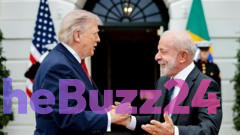
Presidents Donald Trump and Luiz Inácio Lula da Silva engaged in a lengthy, private meeting at the White House this Thursday, signaling a potential shift toward pragmatic diplomacy despite significant underlying tensions. While both leaders exchanged public compliments following the three-hour session, the decision to forego a traditional joint Oval Office press appearance suggests that several critical issues remain unresolved between Washington and Brasilia.
Trade policy continues to be a primary source of friction. President Lula noted that disagreements regarding tariffs remain a significant hurdle, with Brazil proposing a dedicated working group to negotiate trade disputes within a 30-day window. Beyond economics, the two nations face diverging views on organized crime, US involvement in Iran, and the legal challenges facing former Brazilian President Jair Bolsonaro.
Observers suggest the meeting was less about securing immediate diplomatic victories and more about risk management. With major elections approaching in both the United States and Brazil, both administrations appear focused on avoiding public confrontations that could be politically damaging. This move toward a more controlled, less ideological bilateral relationship marks a strategic attempt to stabilize relations during a period of global and domestic uncertainty.
Key Takeaways
- The three-hour private meeting focused on de-escalating tensions rather than resolving deep-seated issues like trade and crime.
- The absence of a joint press appearance indicates that significant disagreements persist between the US and Brazil.
- Both leaders are prioritizing diplomatic stability to avoid political fallout ahead of upcoming domestic elections.
Editor’s Analysis & Impact
The shift from ideological confrontation to pragmatic engagement marks a significant turning point in US-Brazil relations. By opting for a private discussion over a public spectacle, both Trump and Lula are signaling a desire to manage volatility. For Brazil, the goal is to mitigate the risk of US economic pressure or political interference, while for the US, it is about maintaining a stable partner in a complex geopolitical landscape. The upcoming elections in both nations will likely dictate the tempo of this relationship; neither leader can afford a diplomatic crisis that could be weaponized by domestic opponents. Expect a period of ‘managed friction’ where both sides acknowledge fundamental differences while working to prevent them from escalating into full-blown trade wars or security crises.
Frequently Asked Questions
Q: Why was there no joint press conference after the meeting?
A: The lack of a joint appearance suggests that while the leaders were cordial, they have not yet reached a consensus on major issues such as trade tariffs and political disagreements.
Q: What are the primary areas of disagreement between the two nations?
A: Key points of contention include trade tariffs, strategies for combating organized crime, US foreign policy in Iran, and the legal status of former Brazilian President Jair Bolsonaro.
AI Disclosure: This article is based on verified data and official reports. Our Team and AI have cross-referenced every financial detail with primary sources to ensure total accuracy.
More from this Category