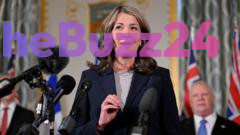
Alberta Sets Date for Pivotal Referendum on Provincial Future
Alberta is bracing for a landmark political event as Premier Danielle Smith has officially scheduled a provincial referendum for October 19. The vote serves as a critical juncture for the province, tasking citizens with deciding whether to maintain the current status quo within Canada or to authorize the provincial government to initiate the formal constitutional procedures necessary to explore separation. This move follows a surge in public advocacy, underscored by widespread petitions that have signaled a deep-seated desire among many residents to re-evaluate the province’s relationship with the federal government.
The push for greater autonomy is largely driven by persistent tensions between Edmonton and Ottawa, particularly regarding federal environmental policies and their impact on Alberta’s vital oil and gas sector. Many residents argue that the province’s significant economic contributions are undervalued by national leadership, fueling a sentiment that local interests are being sidelined by centralized decision-making. This frustration has transformed into a broader conversation about provincial sovereignty and the management of natural resources.
Navigating the path toward potential independence involves significant legal and constitutional complexity. While Premier Smith has championed the democratic right of Albertans to express their will, any formal separation process would be subject to the federal Clarity Act. This legislation requires a clear majority and rigorous procedural oversight from the House of Commons, setting the stage for potentially lengthy and contentious negotiations. Despite the gravity of the referendum, Premier Smith has clarified her personal stance, noting that she intends to vote in favor of Alberta remaining within the Canadian federation, framing the referendum as a necessary step to address the province’s grievances within the national framework.
Key Takeaways
- Alberta will hold a referendum on October 19 to gauge public sentiment regarding provincial independence and the current relationship with the federal government.
- The movement is primarily driven by economic friction over resource management and federal environmental regulations affecting the oil and gas industry.
- Any formal separation process would be governed by the federal Clarity Act, requiring complex negotiations and adherence to strict constitutional procedures.
Editor’s Analysis & Impact
The upcoming Alberta referendum represents a significant escalation in the ongoing tension between regional resource-based economies and federal regulatory frameworks. From a market perspective, the uncertainty surrounding the province’s constitutional status could influence investor sentiment toward the Canadian energy sector, as capital markets generally favor political stability. The outcome of this vote will likely serve as a litmus test for regionalism within Western democracies, potentially setting a precedent for how sub-national entities challenge centralized authority. If the movement gains traction, it could force a fundamental restructuring of federal-provincial fiscal arrangements. Conversely, if the referendum results in a strong vote for unity, it may provide the federal government with a mandate to pursue more collaborative, localized economic policies to appease regional grievances and stabilize the national political landscape.
Frequently Asked Questions
Q: What is the primary purpose of the October 19 referendum?
A: The referendum asks citizens whether they wish to remain a province within Canada or if the government should begin the formal legal process to pursue a binding vote on separation.
Q: What is the Clarity Act, and why does it matter?
A: The Clarity Act is a federal law that mandates that any independence movement must demonstrate a clear majority and follow specific procedural oversight from the House of Commons to ensure any separation process is legally valid.
AI Disclosure: This article is based on verified data and official reports. Our Team and AI have cross-referenced every financial detail with primary sources to ensure total accuracy.
More from this Category