Market Volatility: Why Geopolitical Shifts Are the Ultimate Portfolio Stress Test
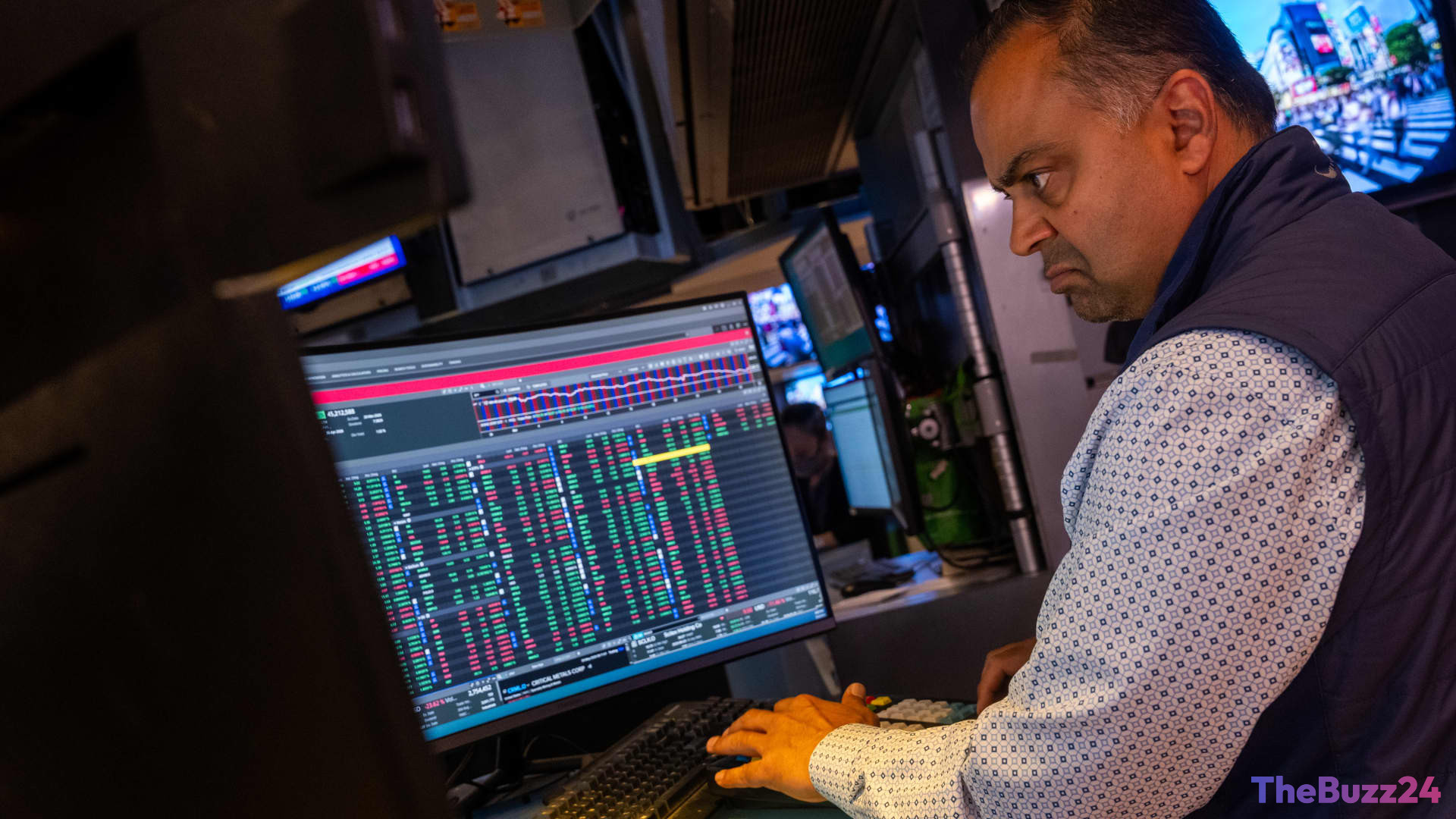
Recent geopolitical instability in the Middle East has triggered significant market fluctuations, providing a unique opportunity for investors to evaluate the resilience of their financial strategies. While sudden downturns can be unsettling, financial professionals view these periods of volatility as essential stress tests that expose an investor’s true risk tolerance and emotional response to market pressure.
Market drawdowns often reveal discomfort that remains hidden during periods of stability. When a market dip leads to anxiety or an urge to liquidate assets, it serves as a clear signal that an investor’s current portfolio allocation may not align with their personal comfort zone. Despite the S&P 500 experiencing a roughly 9% decline following the onset of regional conflicts, the index has demonstrated remarkable resilience, eventually climbing to new all-time highs. This recovery underscores the importance of maintaining a long-term perspective rather than reacting impulsively to short-term geopolitical headlines.
Effective portfolio management requires a clear distinction between risk capacity and risk tolerance. Risk capacity is an objective measure based on an investor’s time horizon and financial resources, whereas risk tolerance is a subjective, emotional assessment of one’s ability to endure market swings. A common pitfall for investors is failing to align these two factors, which can lead to panic-selling during downturns. Experts suggest that rather than abandoning equities, which remain a primary driver for long-term growth and inflation protection, investors should focus on aligning their asset allocation with their actual psychological comfort levels.
Ultimately, the goal is to build a portfolio that balances the necessity of growth with the reality of human emotion. By utilizing tools such as target-date funds or working with financial planners to stress-test portfolios against potential market shocks, investors can ensure their financial plans remain robust. Preparing for the unexpected before it occurs is the most effective way to avoid detrimental decision-making when volatility inevitably returns.
Key Takeaways
- Market volatility acts as a diagnostic tool to help investors identify their true emotional risk tolerance.
- There is a critical difference between objective risk capacity (financial ability) and subjective risk tolerance (emotional comfort).
- Equities remain essential for long-term growth and inflation hedging, even during periods of geopolitical uncertainty.
Editor’s Analysis & Impact
The current market environment highlights a recurring theme in behavioral finance: the gap between theoretical risk appetite and actual emotional response. As geopolitical tensions continue to influence global markets, the industry is shifting toward more personalized risk-assessment models. The future outlook suggests that automated investment platforms and financial advisors will increasingly prioritize ‘behavioral coaching’ alongside traditional asset allocation. By framing volatility as a ‘stress test’ rather than a crisis, investors are better positioned to avoid the common trap of selling at market bottoms. The broader implication is that portfolios must be designed not just for mathematical efficiency, but for psychological sustainability, ensuring that investors stay the course during inevitable periods of global instability.
Frequently Asked Questions
Q: What is the difference between risk capacity and risk tolerance?
A: Risk capacity is an objective measure of how much financial risk you can afford to take based on your time horizon and assets, while risk tolerance is your subjective, emotional willingness to endure market fluctuations.
Q: Should I sell my stocks when geopolitical tensions cause market dips?
A: Financial experts generally advise against panic-selling. Stocks are vital for long-term growth and outpacing inflation; instead of selling, investors should ensure their portfolio allocation matches their personal comfort level with risk.
AI Disclosure: This article is based on verified data and official reports. Our Team and AI have cross-referenced every financial detail with primary sources to ensure total accuracy.
More from this Category