A Pragmatic Shift: Greg Abel Leads Berkshire Hathaway Into a New Chapter
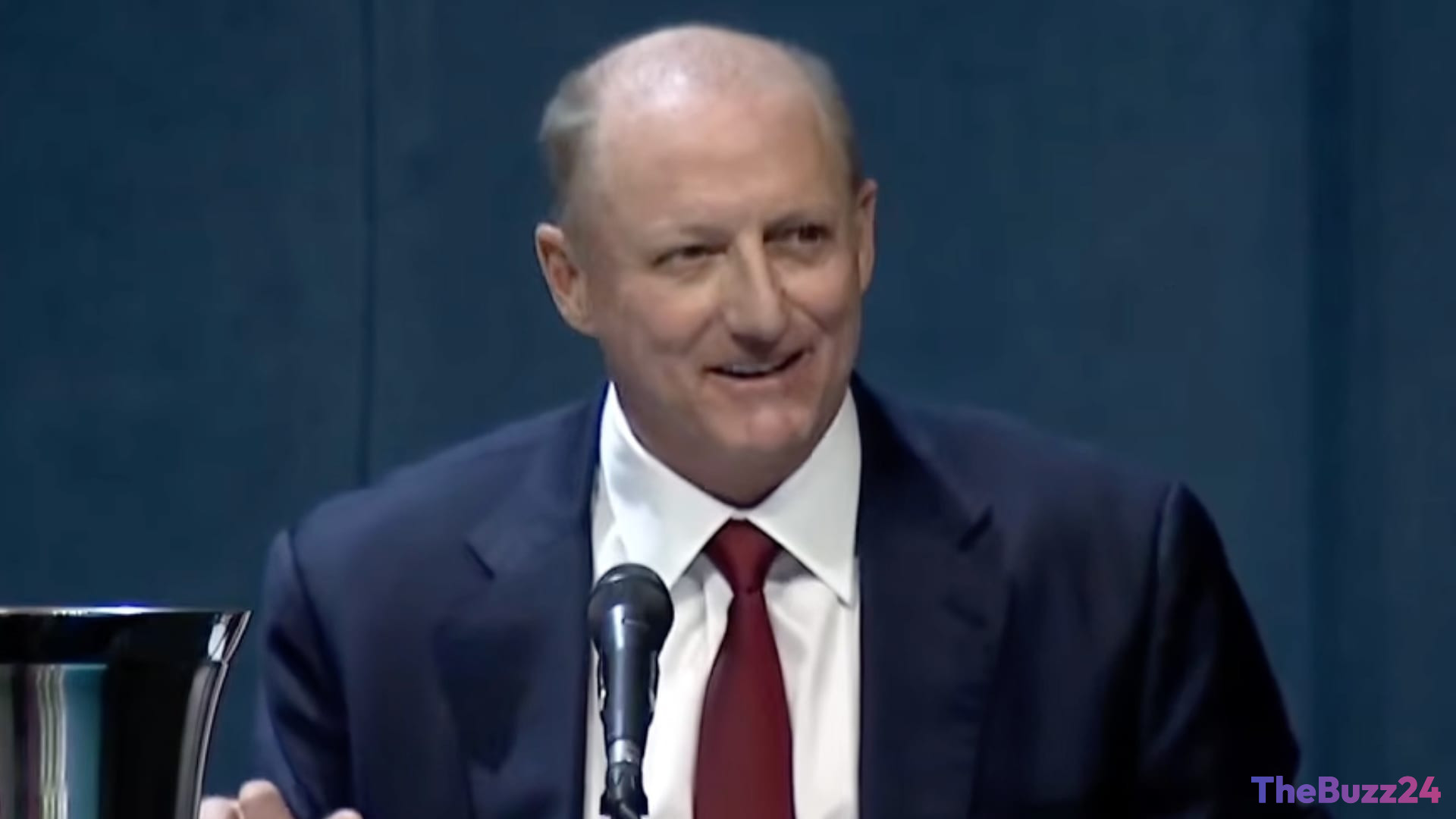
Greg Abel has officially stepped into the spotlight, presiding over his first annual shareholders meeting as the CEO of Berkshire Hathaway. This transition marks a significant departure from the era defined by Warren Buffett and the late Charlie Munger, shifting the conglomerate’s focus toward a more operationally driven and professional tone. While the meeting highlighted Abel’s deep command of the company’s vast business portfolio, the absence of the legendary wit and storytelling that characterized previous decades was palpable, signaling a new, more disciplined chapter for the firm.
Financial scrutiny during the event was largely directed at the company’s staggering cash reserves, which have swelled to approximately $380 billion. Although management indicated that share repurchases remain a viable tool, the relatively small $234 million in buybacks conducted in the first quarter has sparked debate among analysts regarding the firm’s capital deployment strategy. In a market currently defined by high valuations, Abel is tasked with the difficult challenge of maintaining the company’s signature conservative investment philosophy while navigating a scarcity of high-value opportunities.
Beyond capital allocation, the company is actively preparing for long-term organizational stability. Succession planning is already in motion, with Charlie Shamieh slated to eventually take over the insurance division from Ajit Jain. Simultaneously, the firm is recalibrating its equity holdings, reducing its position in DaVita while increasing its stakes in major Japanese trading houses, including Marubeni and Sumitomo, to beyond 10% each. These moves reflect a broader strategy of international diversification and operational refinement.
As Berkshire Hathaway moves forward, the core challenge remains balancing its historical legacy with the realities of a modern, complex economic landscape. Warren Buffett reiterated his commitment to avoiding forced investments in an overpriced market, reinforcing the company’s dedication to patience. Shareholders are now closely watching to see if Abel’s pragmatic leadership can sustain the conglomerate’s long-term performance and maintain its reputation for disciplined growth in an increasingly volatile global economy.
Key Takeaways
- Greg Abel has officially taken the lead at Berkshire Hathaway, signaling a shift toward a more operational and pragmatic management style.
- The company is sitting on a record $380 billion in cash, yet remains cautious about aggressive buybacks or acquisitions due to high market valuations.
- Strategic portfolio adjustments are underway, including a reduction in DaVita holdings and increased investments in Japanese trading firms.
Editor’s Analysis & Impact
The transition from Warren Buffett to Greg Abel represents one of the most significant leadership shifts in corporate history. Abel’s focus on operational efficiency suggests that Berkshire Hathaway is moving away from the ‘personality-driven’ investment era toward a more institutionalized, process-oriented model. The massive cash pile serves as both a safety net and a point of contention; while it provides immense flexibility, it also places immense pressure on Abel to prove he can deploy capital as effectively as his predecessor. The market will likely remain skeptical until Abel demonstrates a major capital allocation success. Long-term, the company’s pivot toward international markets and internal succession planning indicates a focus on institutional longevity over short-term market reactions, which may stabilize the stock but could dampen the ‘cult-like’ enthusiasm that previously surrounded the annual meetings.
Frequently Asked Questions
Q: What is the primary change in leadership style at Berkshire Hathaway?
A: The leadership has shifted from the storytelling-driven, charismatic style of Warren Buffett and Charlie Munger to a more pragmatic, operationally focused approach led by Greg Abel.
Q: Why is Berkshire Hathaway holding so much cash?
A: The company is maintaining a conservative stance because it views current market valuations as too high, preferring to wait for better investment opportunities rather than forcing capital deployment.
AI Disclosure: This article is based on verified data and official reports. Our Team and AI have cross-referenced every financial detail with primary sources to ensure total accuracy.
More from this Category