The Tactile Revolution: Why Physical Keyboards Are Making a Smartphone Comeback
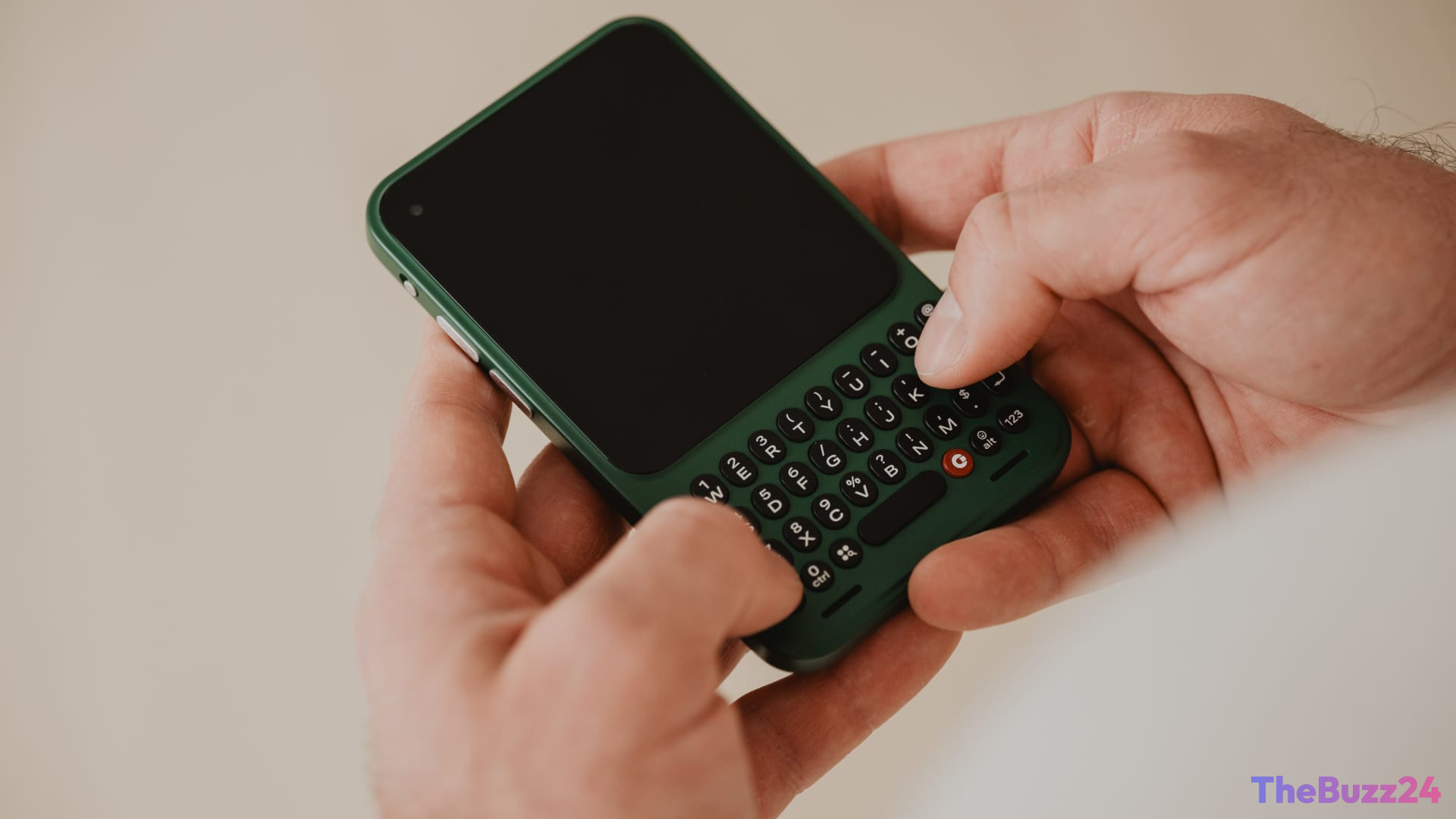
The dominance of the touchscreen, which has defined the smartphone industry since the launch of the iPhone in 2007, is facing a surprising challenge. A growing wave of startups, including Clicks Tech and Unihertz, is successfully reviving the physical keyboard, catering to a market that values tactile feedback and intentional usage over the ubiquitous glass slab. While Blackberry—the former titan of physical keyboards—ceased hardware production in 2016, the loyal community surrounding its legacy suggests that the appetite for buttons never truly disappeared.
For many modern users, the shift toward physical keyboards is rooted in a desire to curb digital consumption. By introducing a layer of friction to the user experience, these devices help consumers break the cycle of mindless scrolling and social media addiction. Proponents argue that the design of these phones keeps users focused on core tasks like messaging, effectively preventing the frequent distractions and ‘side quests’ common on modern, app-heavy mobile platforms. This intentional design philosophy is resonating with a demographic that seeks to reclaim control over their screen time.
Beyond behavioral shifts, these startups are capitalizing on a demand for practical features that have been systematically removed from mainstream devices. The return of the 3.5mm headphone jack, expandable memory card slots, and customizable hardware components offers a level of utility that many audiophiles and power users find lacking in today’s flagship phones. Furthermore, the tactile nature of physical keys has proven to be a significant accessibility breakthrough, assisting users with low vision or motor control challenges who often struggle with the imprecision of glass touchscreens.
Despite the challenges of rising component costs and the dominance of major tech conglomerates, the niche market for keyboard-equipped smartphones is expanding rapidly. Successful crowdfunding campaigns and strong pre-order numbers indicate that these devices are more than just a nostalgic trend; they represent a meaningful alternative for users who prioritize function, ergonomics, and physical feedback. As more companies enter this space, the industry is proving that there is a persistent and passionate demand for hardware that offers a tangible connection to the digital world.
AI Disclosure: This article is based on verified data and official reports. Our AI have cross-referenced every financial detail with primary sources to ensure total accuracy.
More from this Category