Mexico’s Proposed Early School Year End for Football Tournament Sparks National Outrage
A controversial proposal to conclude the Mexican school year on June 5—a full month earlier than originally scheduled—has ignited a firestorm of criticism from parents, educators, and business leaders. The initiative, initially put forward by Education Secretary Mario Delgado, was intended to mitigate traffic congestion and manage extreme heat concerns during the upcoming international football tournament, which Mexico is co-hosting with the United States and Canada. However, the plan has faced immediate backlash, with critics arguing that the academic development of 23 million students should not be compromised for a sporting event.
Opposition groups, including the National Union of Parents, have labeled the decision as an unacceptable prioritization of tourism over educational standards. Detractors have highlighted that the tournament matches are limited to only three specific cities, rendering a nationwide school closure both unnecessary and highly disruptive. Business associations, such as Coparmex, have also voiced concerns, noting that the abrupt schedule change creates significant instability for the workforce, leaving families to navigate childcare challenges without adequate support or notice.
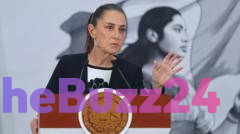
In response to the growing public outcry, President Claudia Sheinbaum has sought to de-escalate the situation by clarifying that the early closure is merely a proposal rather than a finalized policy. During a recent press briefing, the President indicated that the administration is currently reviewing the academic calendar to ensure the needs of students and families are prioritized. Sheinbaum further clarified that the suggestion originated from regional education officials and unions rather than a direct federal mandate.
The controversy unfolds as Mexico navigates a complex period of preparation for the global competition. Beyond the logistical hurdles of the school calendar, the nation is managing heightened security concerns following recent crackdowns on organized crime. While the government has pledged to deploy thousands of security personnel to ensure the safety of host cities, the debate over the school year highlights the mounting social and administrative pressures facing the country as the tournament start date approaches.
Key Takeaways
- A proposal to end the Mexican school year early for an international football tournament has been met with widespread public and professional opposition.
- Critics argue that a nationwide school closure is an overreaction, as tournament matches are restricted to only three specific cities.
- President Claudia Sheinbaum has walked back the proposal, labeling it a suggestion under review rather than a confirmed government policy.
Editor’s Analysis & Impact
The backlash against the proposed school calendar adjustment underscores the delicate balance between hosting major international events and maintaining domestic stability. For Mexico, the tournament represents a significant opportunity for economic growth and global visibility; however, the government’s initial handling of the school schedule reveals a disconnect between administrative planning and the practical realities of working families. The incident highlights the political risks of prioritizing high-profile events over essential public services. Moving forward, the administration must navigate these logistical challenges carefully to avoid further eroding public trust. The situation also serves as a case study for other nations on the importance of stakeholder engagement when implementing large-scale policy changes that disrupt daily life, particularly in the context of major sporting events that require significant infrastructure and security coordination.
Frequently Asked Questions
Q: Why was the proposal to end the school year early introduced?
A: The proposal was intended to manage traffic congestion and extreme heat concerns in host cities during the upcoming international football tournament.
Q: Is the early school year end a confirmed policy?
A: No, President Claudia Sheinbaum has clarified that it is currently a proposal under review and not a finalized government mandate.
AI Disclosure: This article is based on verified data and official reports. Our Team and AI have cross-referenced every financial detail with primary sources to ensure total accuracy.
More from this Category