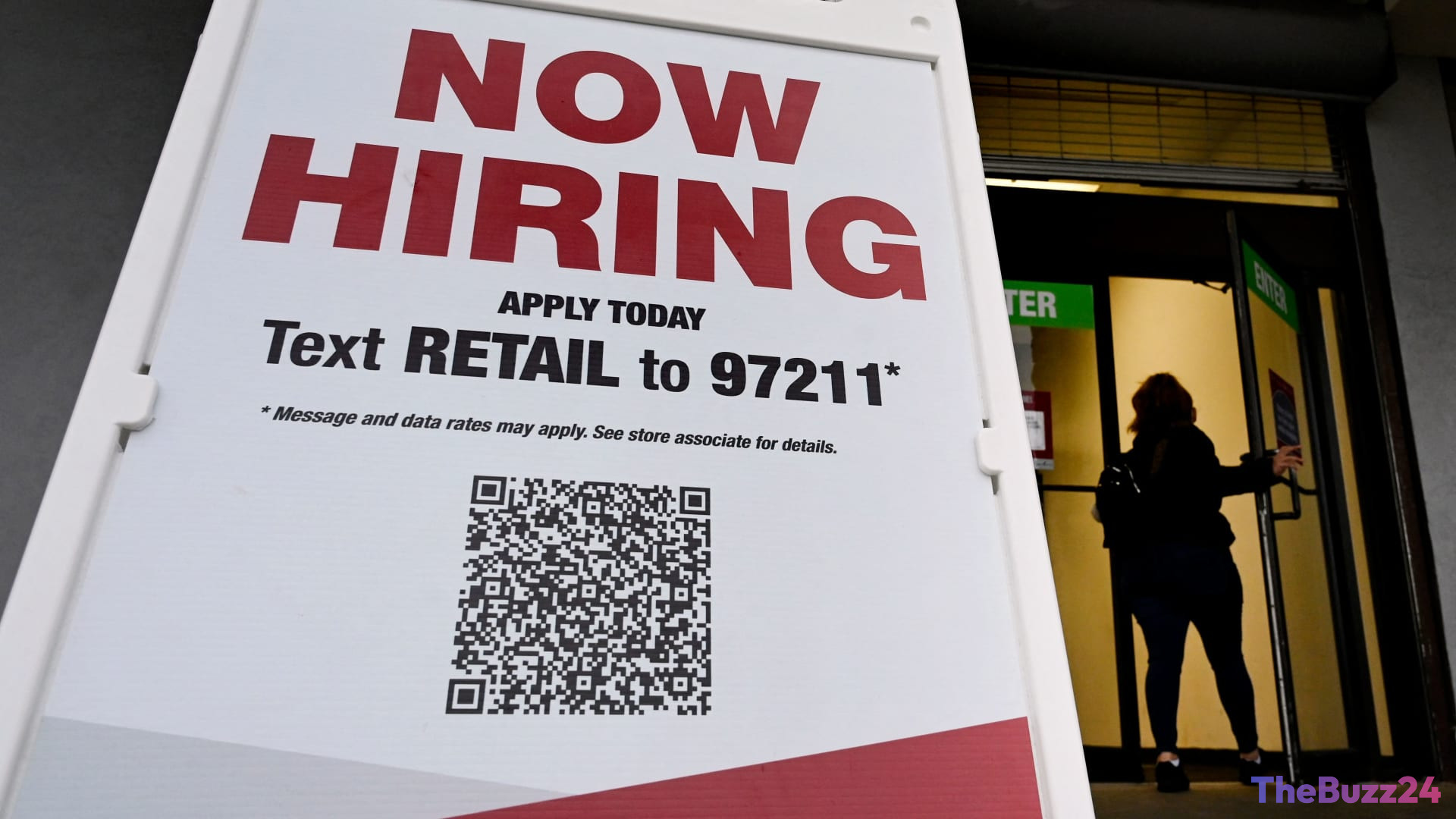
Retail Sector Defies Economic Uncertainty with Significant Hiring Spree
The retail industry has demonstrated unexpected resilience, adding nearly 22,000 new positions in April. This influx of labor accounts for approximately 20% of the total national job growth for the month, pushing the sector’s total workforce to roughly 15.5 million. This milestone marks the highest employment level for the industry since mid-2024, signaling a robust appetite for expansion among major employers.
Driving this growth are large-scale supercenters and warehouse clubs, which have ramped up recruitment efforts significantly. This aggressive hiring strategy suggests that retail executives are maintaining a positive outlook on consumer spending, effectively pivoting away from the cautious, defensive staffing models that dominated the previous year. The shift is further supported by a 48% year-over-year increase in job openings observed in March, reflecting a renewed sense of confidence in the market’s trajectory.
However, the retail sector is not operating in a vacuum. While hiring remains strong, broader economic indicators present a more complex picture. Consumer sentiment is currently hovering near record lows, pressured by persistent inflation, rising fuel costs, and global geopolitical instability. Major corporations, such as McDonald’s and Whirlpool, have already begun to observe signs of cooling demand, suggesting that household budgets are becoming increasingly strained.
As the industry moves forward, it faces a delicate balancing act. While current employment figures highlight a strong labor market, the long-term sustainability of this growth depends heavily on the resilience of the average consumer. Should economic headwinds intensify, retailers may be forced to shift from their current expansionist strategy to a more conservative stance to mitigate potential volatility.
Key Takeaways
- The retail sector added 22,000 jobs in April, contributing to a total workforce of 15.5 million.
- Warehouse clubs and supercenters are the primary drivers behind the current hiring surge.
- Despite strong employment numbers, corporations are warning of potential cooling in consumer demand due to inflation and rising costs.
Editor’s Analysis & Impact
The current retail hiring surge presents an interesting paradox in the modern economy. While the labor market remains tight and businesses are clearly betting on continued consumer activity, the underlying macroeconomic indicators suggest a potential ‘soft landing’ or a looming contraction. The aggressive hiring by large-scale retailers indicates they are prioritizing market share and operational capacity to meet anticipated demand. However, the warnings from bellwether companies like McDonald’s suggest that the consumer is reaching a breaking point. If inflation continues to erode purchasing power, we may see a rapid reversal of these hiring trends in the second half of the year. Investors and industry observers should monitor upcoming quarterly earnings reports for signs of inventory buildup or reduced capital expenditure, which would be the first indicators that the retail sector is preparing for a downturn.
Frequently Asked Questions
Q: What is driving the current hiring surge in the retail sector?
A: The growth is primarily driven by large-scale supercenters and warehouse clubs that are aggressively expanding their staff, signaling confidence in consumer spending.
Q: Are there any risks to this retail growth?
A: Yes, analysts point to record-low consumer sentiment, rising fuel costs, and warnings from major corporations about softening demand as significant risks that could force retailers to scale back.
AI Disclosure: This article is based on verified data and official reports. Our Team and AI have cross-referenced every financial detail with primary sources to ensure total accuracy.
More from this Category