Escalating Tensions: Ebola Treatment Facility Attacked in DR Congo
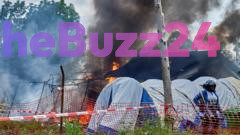
A volatile situation unfolded in the Ituri province of the Democratic Republic of Congo this week as a violent mob stormed a hospital facility dedicated to treating Ebola patients. The unrest was triggered when medical staff refused to release the body of a deceased patient to family members, citing strict safety protocols that require specialized burials to prevent the spread of the highly infectious virus. The confrontation quickly turned aggressive, with protesters hurling projectiles at the facility and setting fire to several isolation tents.
While the attack caused significant damage to the medical infrastructure, authorities confirmed that all patients were successfully accounted for following the chaos. Security forces, including police and military personnel, were deployed to the scene to disperse the crowd and secure the perimeter, ensuring that healthcare workers could continue their life-saving operations. Despite the intervention, the incident highlights the growing hostility faced by medical teams working in the region.
Public health experts suggest that the violence is fueled by widespread misinformation and deep-seated skepticism regarding the legitimacy of the Ebola outbreak. Many local residents view the medical response as a fabrication, leading to a dangerous rejection of essential health interventions. This resistance, combined with the presence of armed groups in the region and the virus’s spread into neighboring Uganda, has created a complex humanitarian crisis that threatens to undermine containment efforts as the death toll continues to rise.
Key Takeaways
- A violent protest at an Ebola treatment center in DR Congo resulted in property damage and injuries to staff after families were denied traditional burial rights.
- Public resistance is largely driven by misinformation and skepticism regarding the existence of the virus, complicating containment efforts.
- The outbreak is spreading into rebel-controlled territories and across borders, forcing authorities to implement strict travel and transport restrictions.
Editor’s Analysis & Impact
The attack on the Ituri province treatment center underscores a critical failure in community engagement that often accompanies public health crises in conflict-prone regions. When medical protocols clash with deeply held cultural traditions, the resulting friction can be exploited by misinformation campaigns, effectively turning the local population against the very institutions designed to protect them. The broader implication is that clinical solutions alone are insufficient; without a robust strategy to build trust and address the socio-political grievances of the local population, containment efforts will continue to face significant, potentially violent, resistance. Moving forward, international health organizations must prioritize community-led communication strategies to bridge the gap between scientific necessity and cultural practices, or risk further destabilization in an already fragile region.
Frequently Asked Questions
Q: Why are traditional burials prohibited for Ebola victims?
A: Ebola remains highly infectious even after death. Specialized, safe burial procedures are mandatory to prevent the virus from spreading to those who handle the body.
Q: What is driving the public hostility toward medical teams in the region?
A: The hostility is largely attributed to a lack of public awareness and widespread misinformation, with many locals believing the outbreak is a fabrication created by outside organizations for financial gain.
AI Disclosure: This article is based on verified data and official reports. Our Team and AI have cross-referenced every financial detail with primary sources to ensure total accuracy.
More from this Category