US Tightens Grip on Cuba Amidst Escalating Tensions and Sanctions
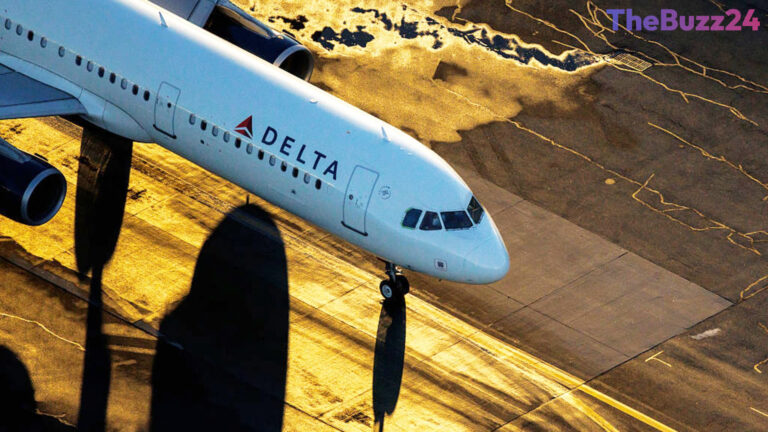
The long-standing diplomatic and economic friction between the United States and Cuba has intensified, with the U.S. government implementing a series of measures aimed at increasing pressure on Havana. This heightened stance was notably marked by the unsealing of an indictment by the Department of Justice against former Cuban President Raul Castro. The charges relate to his alleged involvement in the 1996 downing of two civilian aircraft, a move that coincided with a significant anniversary in Cuba and was decried by current Cuban leadership as a politically motivated fabrication designed to legitimize potential U.S. military action.
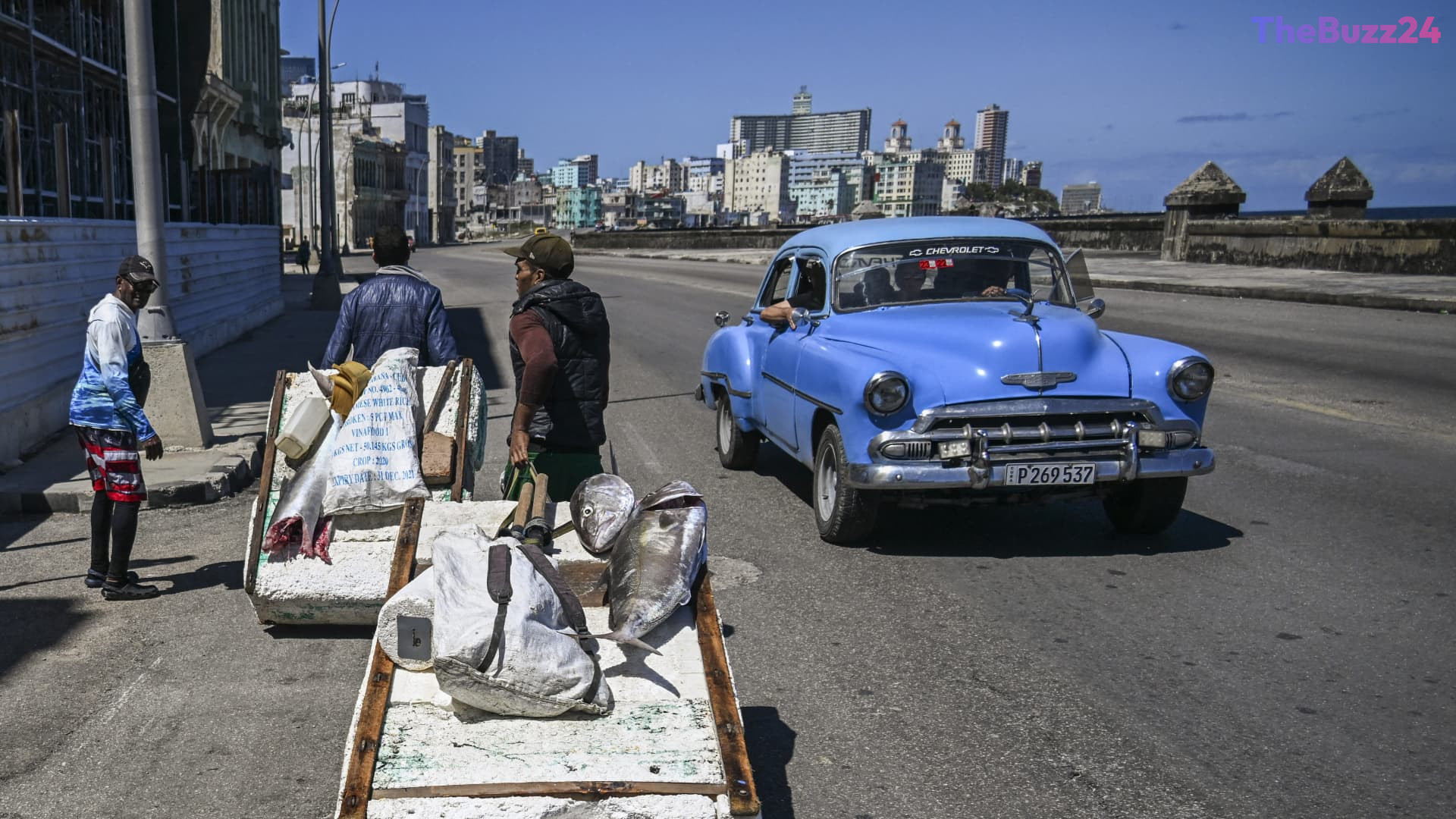
In parallel with these legal developments, the U.S. has reinforced economic sanctions and imposed an oil embargo, contributing to a significant energy crisis on the island. Cuban authorities have characterized the current situation as the nation’s most severe challenge since the dissolution of the Soviet Union. The resulting fuel shortages have triggered widespread power outages, raising serious concerns about the availability of essential resources like food and water. Adding to the unease, reports of heightened U.S. intelligence operations near Cuba’s coast and alleged military drone build-ups have fueled discussions about the potential for direct conflict.
While the rhetoric from Washington suggests a hardening stance, analysts are divided on the ultimate U.S. objective. Some speculate that the administration’s strategy focuses on undermining the current Cuban government and cultivating an environment conducive to internal political change that would serve U.S. interests. This approach, they argue, leverages economic hardship to generate social and humanitarian pressure, potentially facilitating a transition without direct military intervention.
As these geopolitical dynamics unfold, Cuba’s government has issued stern warnings regarding the severe repercussions of any foreign intervention. For the Cuban populace, the daily reality is one of increasing hardship, as the nation grapples with maintaining basic services under the strain of the ongoing U.S. blockade. The critical question remains whether this sustained pressure will precipitate a managed political transition or exacerbate an already dire humanitarian situation.
Key Takeaways
- The U.S. has intensified pressure on Cuba through legal indictments, economic sanctions, and an oil blockade.
- Cuba is facing its most severe crisis since the Soviet Union's collapse, with widespread energy shortages and concerns over basic resources.
- Analysts debate whether the U.S. aims for military intervention or long-term destabilization to foster political change in Cuba.
Editor’s Analysis & Impact
The current U.S. administration’s aggressive posture towards Cuba signals a significant departure from recent diplomatic efforts, potentially ushering in a new era of heightened geopolitical tension in the Caribbean. The multifaceted pressure campaign, combining legal indictments with severe economic sanctions, appears designed to cripple the Cuban economy and delegitimize its government. This strategy carries substantial risks, including the potential for unintended humanitarian consequences and regional instability. The effectiveness of this approach hinges on whether economic distress can translate into desired political outcomes without triggering a broader crisis. The long-term implications could reshape U.S.-Latin American relations and test the resilience of the Cuban state.
Frequently Asked Questions
Q: What specific actions has the U.S. taken against Cuba recently?
A: The U.S. has unsealed an indictment against former Cuban President Raul Castro, intensified economic sanctions, and implemented an oil blockade, leading to a severe energy crisis in Cuba.
Q: How is Cuba responding to the increased U.S. pressure?
A: Cuban leadership has dismissed the indictment as politically motivated and warned that the country is facing its most significant challenge since the collapse of the Soviet Union. They have also cautioned against any foreign intervention.
Q: What are the potential outcomes of the current U.S. strategy towards Cuba?
A: Experts are divided, with some believing the U.S. aims to destabilize the regime and encourage internal change through economic pressure, while others speculate about the possibility of direct military action. The situation could lead to either a controlled political shift or a deepening humanitarian crisis.
AI Disclosure: This article is based on verified data and official reports. Our Team and AI have cross-referenced every financial detail with primary sources to ensure total accuracy.
More from this Category