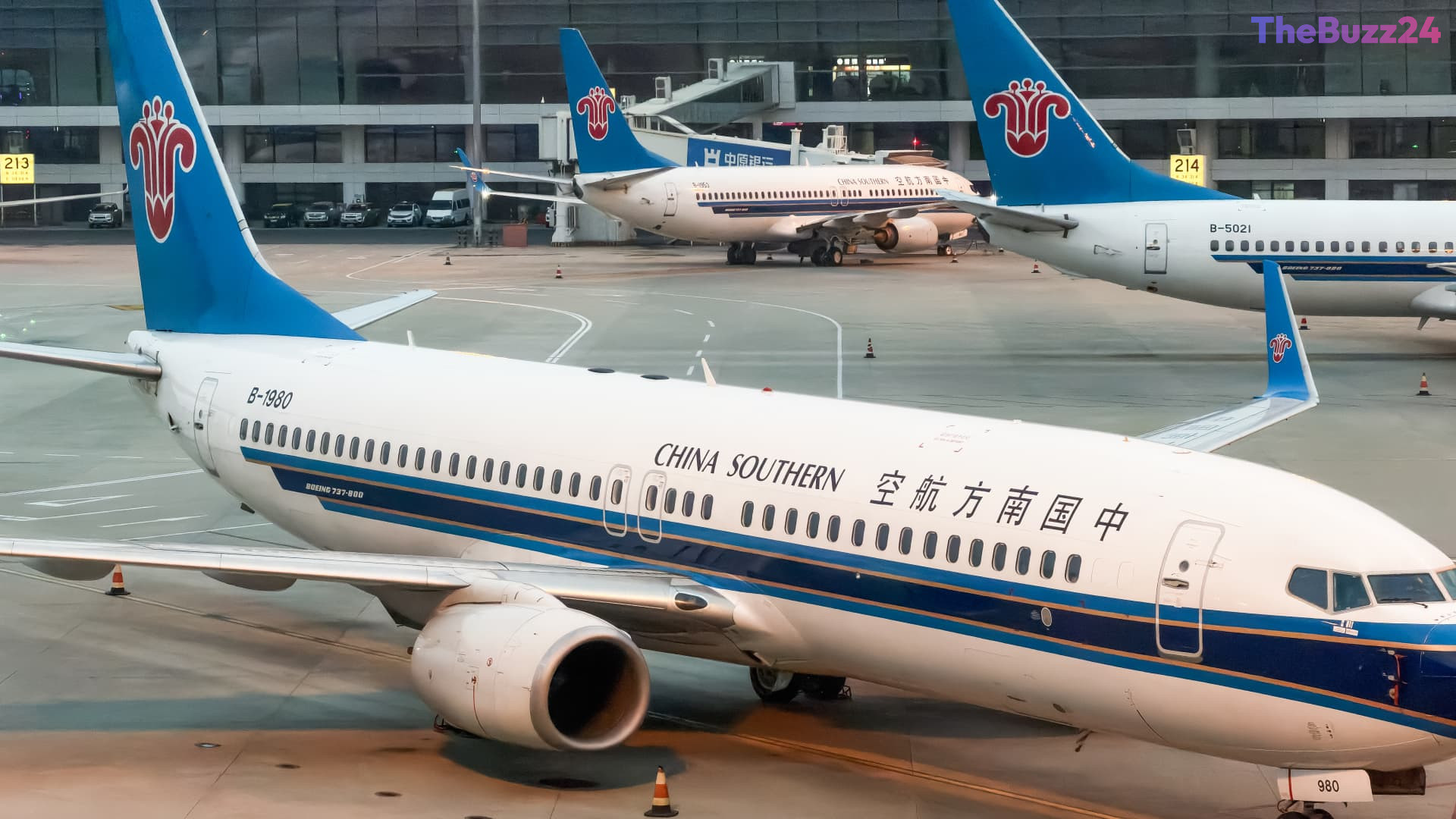
China’s Aviation Leaders Grapple with Financial Headwinds and Rising Fuel Costs
China’s major aviation players—Air China, China Eastern, and China Southern—are confronting a challenging fiscal landscape as they contend with the dual pressures of escalating jet fuel prices and a highly competitive domestic travel market. Following a short-lived period of profitability earlier in 2026, the three carriers are now forecasting a combined net loss of roughly $3.2 billion. This financial strain is largely attributed to geopolitical instability in the Middle East, which has driven up fuel costs, leaving these airlines vulnerable due to their limited use of the sophisticated fuel-hedging strategies common among international peers.
Beyond energy costs, the airlines face significant pressure from China’s expansive high-speed rail network. While the carriers have attempted to mitigate rising operational expenses through fuel surcharges, their ability to pass these costs to passengers is severely restricted. Aggressive pricing strategies risk alienating price-sensitive travelers, who are increasingly opting for the reliability and affordability of rail travel. This dynamic has left airlines in a precarious position, unable to fully recover their expenditures without risking a substantial drop in passenger volume.
Market sentiment has reacted negatively to these developments, with the share prices of the ‘Big Three’ underperforming compared to regional competitors. The industry has also seen an increase in flight cancellations as airlines attempt to optimize capacity amid thin margins and volatile energy prices. Unlike private carriers in other parts of the world, however, these Chinese airlines benefit from state ownership, which provides a level of financial security and operational continuity that mitigates the risk of bankruptcy despite ongoing losses.
Key Takeaways
- Air China, China Eastern, and China Southern project a combined $3.2 billion loss for 2026 due to rising fuel costs and limited hedging.
- Intense competition from China's high-speed rail network prevents airlines from passing fuel surcharges to consumers without losing market share.
- State ownership provides a critical safety net for these carriers, shielding them from the bankruptcy risks typically associated with such significant financial losses.
Editor’s Analysis & Impact
The current crisis facing China’s aviation giants highlights a structural vulnerability in the state-led model when confronted with global commodity volatility. By lacking robust fuel-hedging mechanisms, these carriers are directly exposed to geopolitical shocks, while their domestic pricing power is effectively capped by the state-subsidized high-speed rail network. This creates a ‘scissors effect’ where rising input costs cannot be offset by revenue growth. While state backing prevents immediate insolvency, the long-term outlook suggests a need for operational restructuring or a shift in capacity management. Investors should remain cautious, as the reliance on government support may mask underlying inefficiencies, and the transition toward rail dominance in domestic travel appears to be a permanent shift in the Chinese transportation landscape.
Frequently Asked Questions
Q: Why are Chinese airlines struggling to pass fuel costs to passengers?
A: The airlines face intense competition from China's high-speed rail network. If they raise ticket prices too high, passengers are likely to switch to rail, which is perceived as a more affordable and reliable alternative.
Q: Are these airlines at risk of bankruptcy?
A: While they are facing significant financial losses, their status as state-owned enterprises provides a layer of stability and government backing that makes bankruptcy unlikely compared to private international competitors.
AI Disclosure: This article is based on verified data and official reports. Our Team and AI have cross-referenced every financial detail with primary sources to ensure total accuracy.
More from this Category