Whispering to Machines: How AI Dictation is Rewriting Office Etiquette
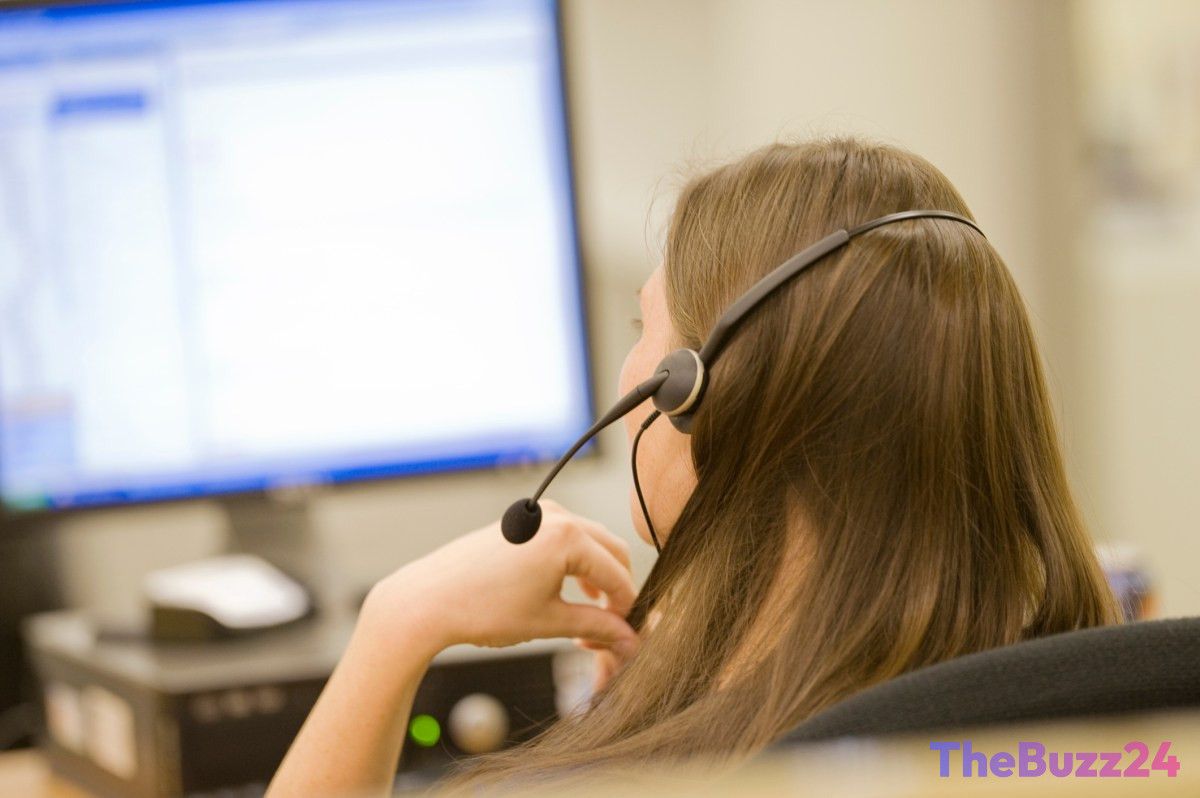
The traditional quiet of the modern office is undergoing a noisy transformation as typing increasingly gives way to voice dictation. Driven by the rapid adoption of advanced artificial intelligence tools and dictation applications like Wispr, professionals are choosing to speak rather than type. This shift is particularly pronounced when integrated with “vibe coding” platforms, allowing developers and workers to verbally direct their computers to execute complex tasks.
This technological evolution is rapidly altering workplace dynamics and testing traditional office etiquette. Some venture capitalists have noted that walking into a modern startup office now feels less like a quiet tech hub and more like a bustling call center. Edward Kim, the co-founder of Gusto, shared that he now avoids typing unless absolutely necessary, predicting that future office environments will eventually sound more like active sales floors. However, Kim admitted that constantly speaking to a screen in a shared space can still feel somewhat awkward.
The friction of this transition is also spilling over into personal spaces. AI entrepreneur Mollie Amkraut Mueller revealed that her habit of whispering to her computer became such a distraction to her husband that the couple had to separate their late-night workspaces. Despite these growing pains, Wispr founder Tanay Kothari remains confident in the technology’s trajectory. Kothari argues that whispering to our devices will eventually become a universally accepted social norm, drawing a parallel to how society quickly normalized staring at smartphone screens for hours on end.
Key Takeaways
- Voice dictation apps like Wispr are increasingly replacing typing in professional settings, especially when paired with AI-driven coding tools.
- The shift is transforming quiet office environments into louder spaces reminiscent of call centers, sparking new debates over workplace etiquette.
- While early adopters admit the transition can cause social friction at work and home, industry leaders believe whispering to computers will soon become normalized.
Editor’s Analysis & Impact
The transition from tactile input to voice-driven commands represents a fundamental shift in human-computer interaction. As natural language processing (NLP) models become highly sophisticated, the friction of translating thoughts to keystrokes is disappearing. This evolution will likely redefine office architecture, driving a demand for acoustic privacy pods and sound-dampening workspaces to mitigate the noise of a “whispering” workforce. For software developers and knowledge workers, voice-to-code tools will dramatically accelerate productivity, but they also pose new challenges for intellectual property security and open-office collaboration. Ultimately, companies will need to establish clear boundaries and etiquette guidelines to balance the efficiency of voice dictation with the comfort of a shared working environment.
Frequently Asked Questions
Q: What is driving the shift from typing to dictation in offices?
A: The rise of highly accurate AI dictation applications, such as Wispr, combined with voice-activated coding and productivity tools, allows users to execute complex tasks much faster by speaking rather than typing.
Q: How is this trend affecting workplace environments?
A: Open-office layouts are becoming noisier, with some comparing the new atmosphere to call centers or sales floors. This has introduced new etiquette challenges regarding noise levels and privacy.
Q: Will whispering to computers really become socially acceptable?
A: Industry proponents believe so, comparing it to the early days of mobile phones when staring at screens or using Bluetooth earpieces in public was viewed as unusual but eventually became completely normalized.
AI Disclosure: This article is based on verified data and official reports. Our Team and AI have cross-referenced every financial detail with primary sources to ensure total accuracy.
More from this Category