The New Geopolitical Reality: Trump and Xi Face a Transformed Global Landscape
As Donald Trump returns to Beijing for a high-stakes summit with President Xi Jinping, the geopolitical environment has undergone a profound evolution since their initial meetings in 2017. While the diplomatic pageantry remains as elaborate as ever, the underlying power dynamics have shifted decisively. China, guided by President Xi’s strategic focus on ‘new productive forces,’ has aggressively scaled its capabilities in artificial intelligence, robotics, and renewable energy, establishing itself as a formidable global competitor.
A primary driver of this transformation is the rapid industrial modernization of hubs like Chongqing, which has pivoted from traditional manufacturing to a high-tech, futuristic metropolis. This shift is emblematic of Beijing’s overarching strategy to prioritize domestic self-reliance and reduce its historical dependence on American trade. Where the United States once viewed China as a rising challenger, it now confronts a ‘near-peer’ competitor that has successfully integrated its economy with trade networks spanning from Central Asia to Europe.
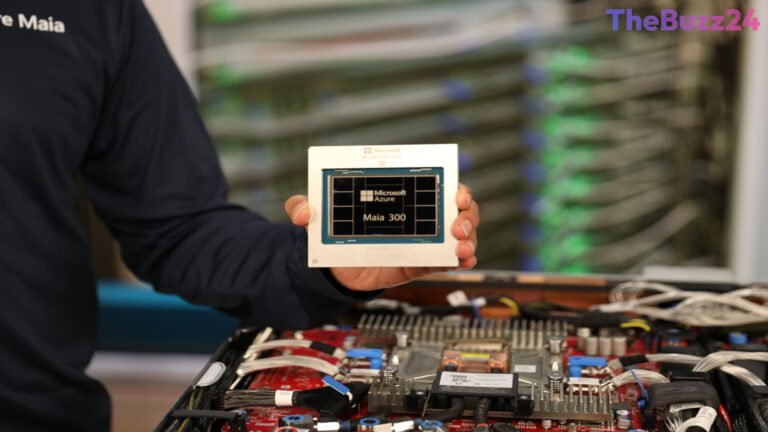
Despite these advancements, the bilateral relationship remains strained by persistent trade imbalances, tariff disputes, and a fierce race for technological dominance, particularly concerning high-end AI semiconductors from companies like Nvidia. Simultaneously, China is navigating its own internal headwinds, including a volatile property market and mounting local government debt. The current summit serves as a pivotal moment to determine whether the two superpowers can maintain a fragile economic truce or if they will continue to diverge in their long-term strategic trajectories.
Ultimately, this meeting acts as a litmus test for the future of international relations. While the U.S. administration aims to utilize personal diplomacy to address trade and global security concerns, Beijing is leveraging the summit to project an image of internal stability and global openness. This encounter highlights a new era in which China is no longer seeking Western validation, but is instead actively defining its own path as a dominant global power.
Key Takeaways
- China has shifted its economic focus toward 'new productive forces' in AI, robotics, and renewable energy to achieve greater domestic self-reliance.
- The U.S.-China relationship is increasingly defined by technological competition, specifically regarding the supply and control of high-end AI chips.
- Beijing is navigating significant internal economic challenges, including local government debt and a struggling property sector, while simultaneously projecting global stability.
Editor’s Analysis & Impact
The current summit between Donald Trump and Xi Jinping underscores a structural shift in global hegemony. The transition from a U.S.-led global order to a bipolar or multipolar system is no longer theoretical; it is being codified through industrial policy and technological decoupling. The focus on ‘new productive forces’ indicates that China is prioritizing high-value manufacturing to insulate itself from Western trade restrictions. For the U.S., the challenge lies in balancing protectionist measures with the reality of deeply intertwined supply chains. Investors and policymakers should anticipate continued volatility in the tech sector, particularly for firms like Nvidia, as export controls and domestic subsidies become primary tools of statecraft. The long-term implication is a world where economic policy is increasingly inseparable from national security, forcing multinational corporations to navigate a bifurcated global marketplace.
Frequently Asked Questions
Q: What does China mean by 'new productive forces'?
A: The term refers to China's strategic shift toward high-tech, innovation-driven industries such as artificial intelligence, advanced robotics, and green energy to replace traditional, labor-intensive manufacturing.
Q: Why is the semiconductor industry a focal point in U.S.-China relations?
A: High-end AI chips are considered the 'brain' of modern technological and military advancement. Control over their production and supply chain is viewed by both nations as essential for maintaining long-term economic and national security.
AI Disclosure: This article is based on verified data and official reports. Our Team and AI have cross-referenced every financial detail with primary sources to ensure total accuracy.
More from this Category