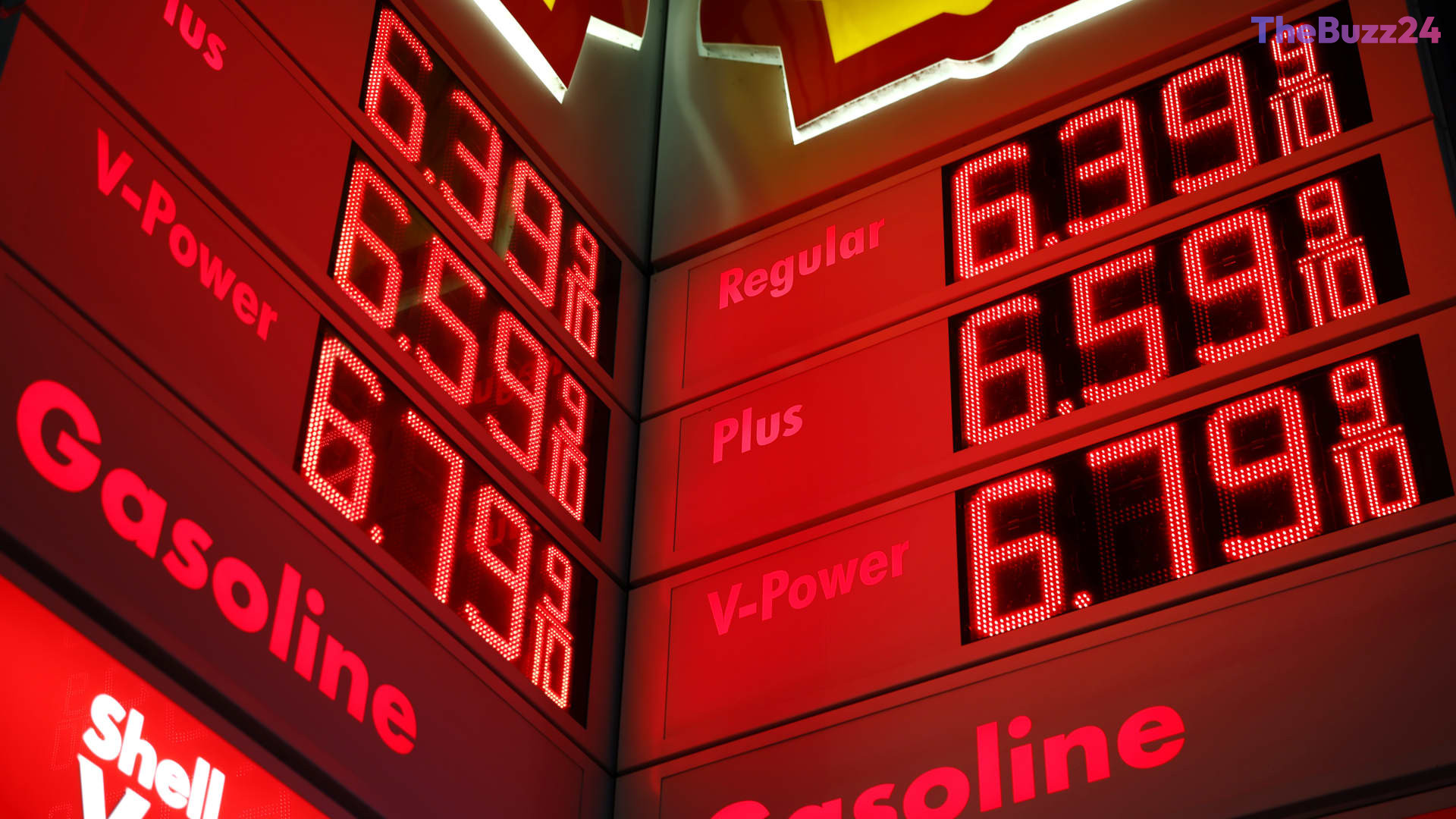
The Hidden Costs of a Federal Gas Tax Holiday: Infrastructure at Risk
A legislative proposal to implement a temporary federal gas tax holiday is facing significant pushback from industry leaders who argue the move could undermine the nation’s long-term infrastructure stability. While the initiative is intended to provide immediate financial relief to drivers struggling with high fuel costs, experts in construction and logistics warn that it could destabilize the Highway Trust Fund, the primary financial mechanism for federal road maintenance and transit projects.
Major trade organizations, including the American Trucking Associations and the Associated General Contractors of America, have expressed formal opposition to the plan. These groups argue that removing the tax without a clear strategy to replace the lost revenue would threaten essential safety upgrades and transportation efficiency. They maintain that this funding is critical to the integrity of the supply chain networks that support the national economy.
Beyond infrastructure concerns, economic analysts are questioning whether the policy would actually benefit the average consumer. Because the proposed tax reduction would occur at the wholesale level, there is no guarantee that fuel retailers would pass the savings on to the public. With fuel prices driven by complex global supply chain issues, critics suggest that an 18.4-cent reduction would offer minimal relief against current inflationary pressures. Furthermore, budget experts warn that the measure could add over $10 billion to the federal deficit, fueling bipartisan skepticism regarding the fiscal viability of the proposal.
Key Takeaways
- Industry leaders warn that a gas tax holiday could cause a major funding shortfall for the Highway Trust Fund.
- There is no guarantee that wholesale tax cuts will result in lower prices for consumers at the pump.
- Budget experts estimate the proposal could increase the federal deficit by more than $10 billion.
Editor’s Analysis & Impact
The debate surrounding a federal gas tax holiday underscores the ongoing conflict between short-term political relief and long-term fiscal health. By prioritizing immediate consumer optics, the proposal risks creating a structural deficit in the Highway Trust Fund, which could lead to significant delays in critical public works projects. From a market standpoint, this uncertainty creates instability for the construction and logistics sectors, which rely on consistent federal funding for capital-intensive operations. Furthermore, the lack of assurance that savings will reach the consumer suggests that such policies may be ineffective at curbing inflation while simultaneously weakening the government’s balance sheet. Future policy efforts will likely need to shift toward more targeted relief strategies that do not jeopardize the nation’s essential infrastructure funding mechanisms.
Frequently Asked Questions
Q: Why are industry groups opposed to the gas tax holiday?
A: Industry groups are concerned that the tax holiday will create a massive revenue gap in the Highway Trust Fund, which is essential for the maintenance and improvement of national transportation infrastructure.
Q: Will a gas tax holiday guarantee lower prices for consumers?
A: Not necessarily. Because the tax reduction is applied at the wholesale level, there is no mechanism to ensure that fuel retailers will pass those savings on to consumers rather than absorbing them.
AI Disclosure: This article is based on verified data and official reports. Our Team and AI have cross-referenced every financial detail with primary sources to ensure total accuracy.
More from this Category