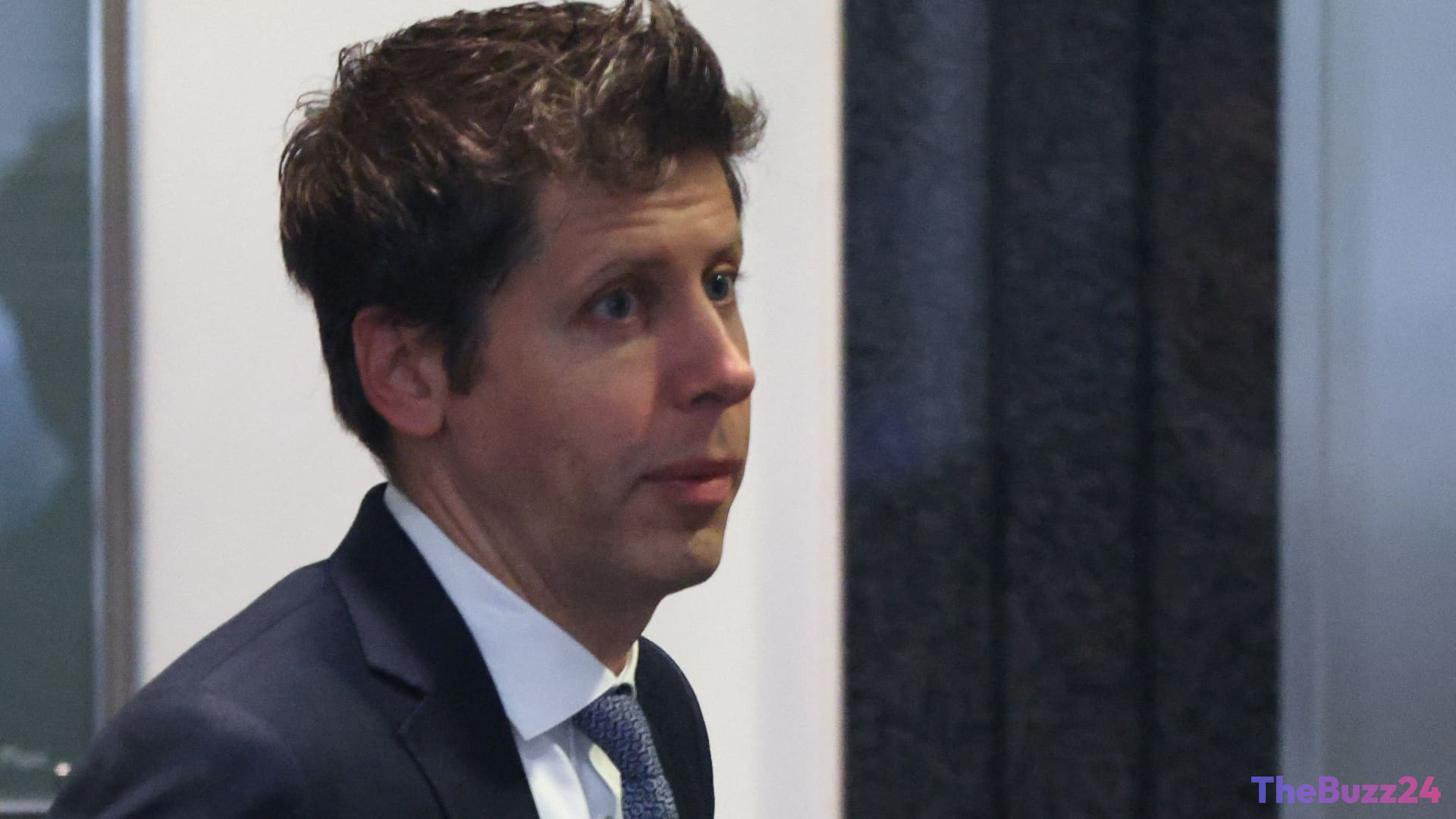
Sam Altman Confronts Elon Musk’s Legal Challenge Over OpenAI’s Commercial Pivot
OpenAI CEO Sam Altman has taken a firm stance in federal court, refuting allegations from co-founder Elon Musk that the artificial intelligence company abandoned its original nonprofit mission. The legal battle, which began in 2024, hinges on Musk’s claims that OpenAI prioritized commercial gain over its foundational commitment to public-interest research, effectively mismanaging donor funds in the process. Altman testified that no such binding agreement existed to keep the organization strictly nonprofit, characterizing the company’s transition as a strategic evolution required to sustain its ambitious technological goals.
The courtroom testimony also provided a rare glimpse into the internal volatility that has characterized OpenAI’s rise. Altman detailed the personal and professional toll of his brief removal from the company in 2023, describing the event as a direct threat to the organization’s stability. He further addressed the deteriorating relationship with Musk, noting that Musk’s exit from the board in 2018 was largely perceived by staff as a move that improved internal morale. Additionally, Altman revealed that the board had previously rebuffed a takeover attempt by Musk, asserting that merging OpenAI with Tesla would have compromised the firm’s research independence.
As the trial progresses, the financial landscape of the AI giant has become a focal point. Evidence presented in court indicates that major technology corporations, including Amazon, Nvidia, and SoftBank, have funneled substantial capital into the firm, potentially rivaling the investment footprint of Microsoft. With testimony from key figures like Satya Nadella and Bret Taylor, the court is working to parse the complex governance history that has defined OpenAI’s trajectory. The outcome of this case could set a significant precedent for how AI research organizations balance commercial interests with their original ethical mandates.
Key Takeaways
- Sam Altman testified that OpenAI never had a formal, binding agreement to remain a strictly nonprofit entity.
- The court revealed that OpenAI previously rejected a takeover bid from Elon Musk, citing concerns that it would undermine the company's research objectives.
- New financial disclosures show that Amazon, Nvidia, and SoftBank have invested heavily in OpenAI, potentially matching Microsoft's level of financial involvement.
Editor’s Analysis & Impact
The legal confrontation between Sam Altman and Elon Musk serves as a watershed moment for the artificial intelligence industry. It highlights the inherent tension between the ‘open-source’ ethos of early AI research and the massive capital requirements needed to train modern large language models. By moving toward a commercial structure, OpenAI has secured the resources necessary to lead the market, but it has also opened itself to intense scrutiny regarding its governance and original mission. The industry is watching this case closely, as it will likely influence how future AI startups structure their corporate charters and manage investor expectations. If the court finds in favor of Musk, it could force a radical restructuring of OpenAI; if Altman prevails, it effectively validates the ‘capped-profit’ model as the standard for high-stakes AI development.
Frequently Asked Questions
Q: Why did Elon Musk initiate legal action against OpenAI?
A: Elon Musk sued OpenAI, alleging that the company abandoned its original nonprofit mission and mismanaged donor funds to pursue commercial interests.
Q: What was the result of the takeover bid mentioned in the trial?
A: OpenAI's board rejected a takeover bid from Elon Musk, as they believed integrating the company into Tesla would have compromised their research independence.
AI Disclosure: This article is based on verified data and official reports. Our Team and AI have cross-referenced every financial detail with primary sources to ensure total accuracy.
More from this Category