Waymo Initiates Recall of Thousands of Robotaxis Over Flood Navigation Risks
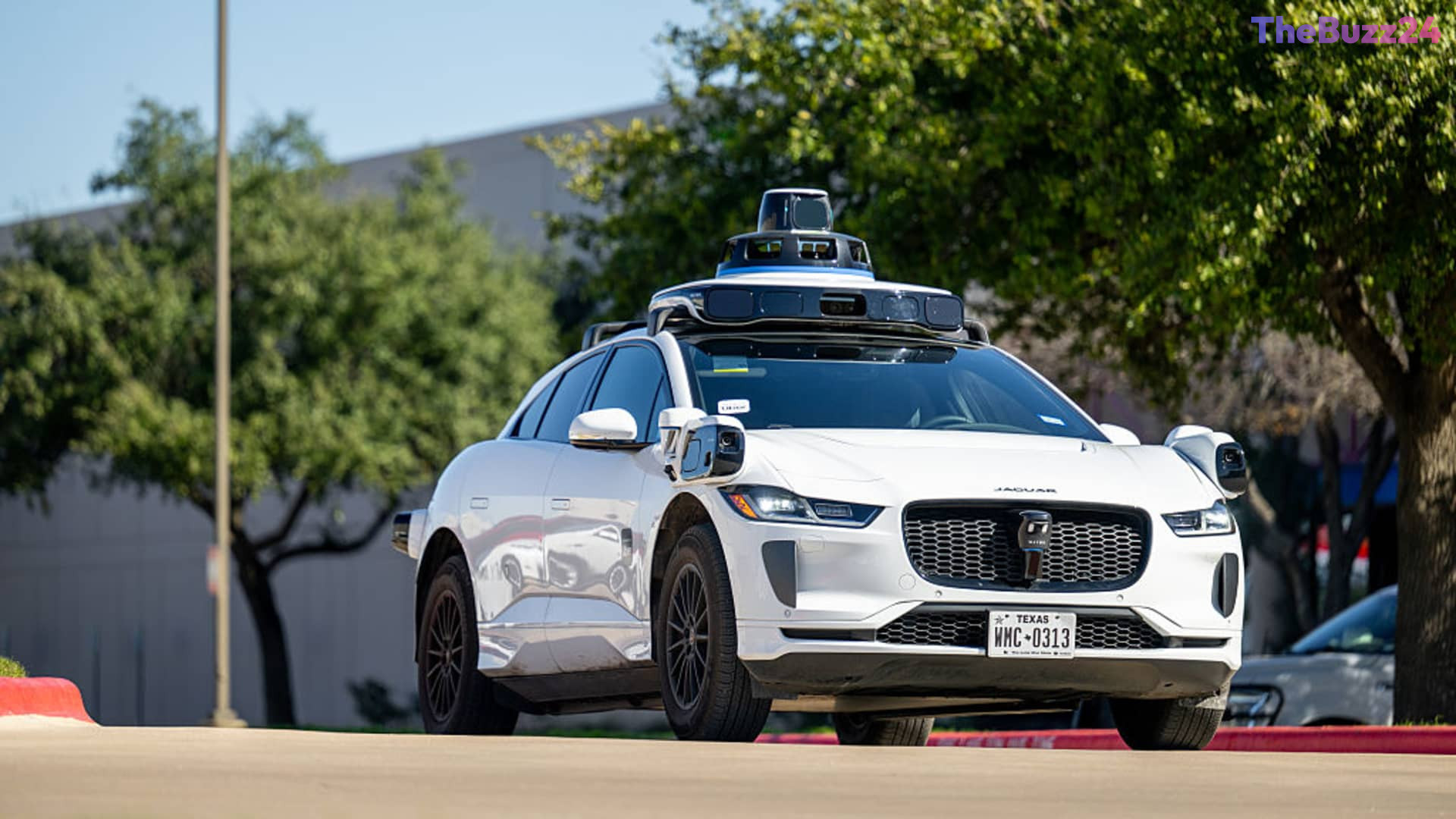
Waymo has announced a voluntary recall of approximately 3,800 autonomous vehicles following the identification of software vulnerabilities that could lead robotaxis into flooded roadways. The recall specifically targets vehicles utilizing the company’s fifth and sixth-generation automated driving systems. This corrective action follows investigations into how the technology responds to severe weather and high-water conditions.
The necessity for the recall became clear after several incidents where vehicles attempted to navigate hazardous, water-logged streets. In San Antonio, Texas, an empty Waymo vehicle was swept into a creek after attempting to traverse a flooded road. Similar reports of vehicles entering dangerous conditions have emerged from Austin and other service areas, highlighting a need for better software detection of untraversable lanes during heavy rainfall.
In response, Waymo is deploying software patches to enhance the fleet’s ability to recognize and avoid flooded areas. The company has also introduced new operational safeguards, including service restrictions in certain regions during extreme weather events to avoid flash flood zones. Despite these technical challenges, Waymo continues to maintain a massive operational footprint, facilitating over 500,000 weekly trips across 11 major U.S. markets.
Key Takeaways
- Waymo is recalling roughly 3,800 vehicles featuring 5th and 6th-generation automated driving systems.
- Software vulnerabilities allowed vehicles to attempt driving through flooded streets, leading to incidents like a vehicle being swept into a creek in San Antonio.
- The company is implementing software updates and weather-based operational restrictions to prevent future navigation errors in high-water conditions.
Editor’s Analysis & Impact
The Waymo recall underscores a significant technical hurdle for the autonomous vehicle industry: managing unpredictable environmental variables. While self-driving technology has made massive strides in urban navigation, ‘edge cases’ like flash flooding reveal gaps in how AI interprets terrain safety. This incident demonstrates that software must evolve beyond simple obstacle detection to include a sophisticated understanding of environmental hazards like water depth and road traversability. For Waymo, the challenge lies in balancing rapid fleet expansion with the rigorous safety requirements demanded by regulators and the public. As the industry moves toward full autonomy, the ability to reliably navigate extreme weather will be a critical benchmark for both commercial viability and public trust. The success of these software patches will likely set a precedent for how all autonomous developers handle environmental volatility.
Frequently Asked Questions
Q: Which specific Waymo models are involved in the recall?
A: The recall affects approximately 3,800 vehicles that are equipped with Waymo's fifth and sixth-generation automated driving systems.
Q: How is Waymo preventing vehicles from entering flooded areas in the future?
A: Waymo is deploying software patches to improve navigation and has implemented operational restrictions that limit service in certain regions during extreme weather to avoid flash flood zones.
AI Disclosure: This article is based on verified data and official reports. Our Team and AI have cross-referenced every financial detail with primary sources to ensure total accuracy.
More from this Category