FedEx CEO Downplays Amazon Logistics Threat, Cites ‘Different’ Business Models
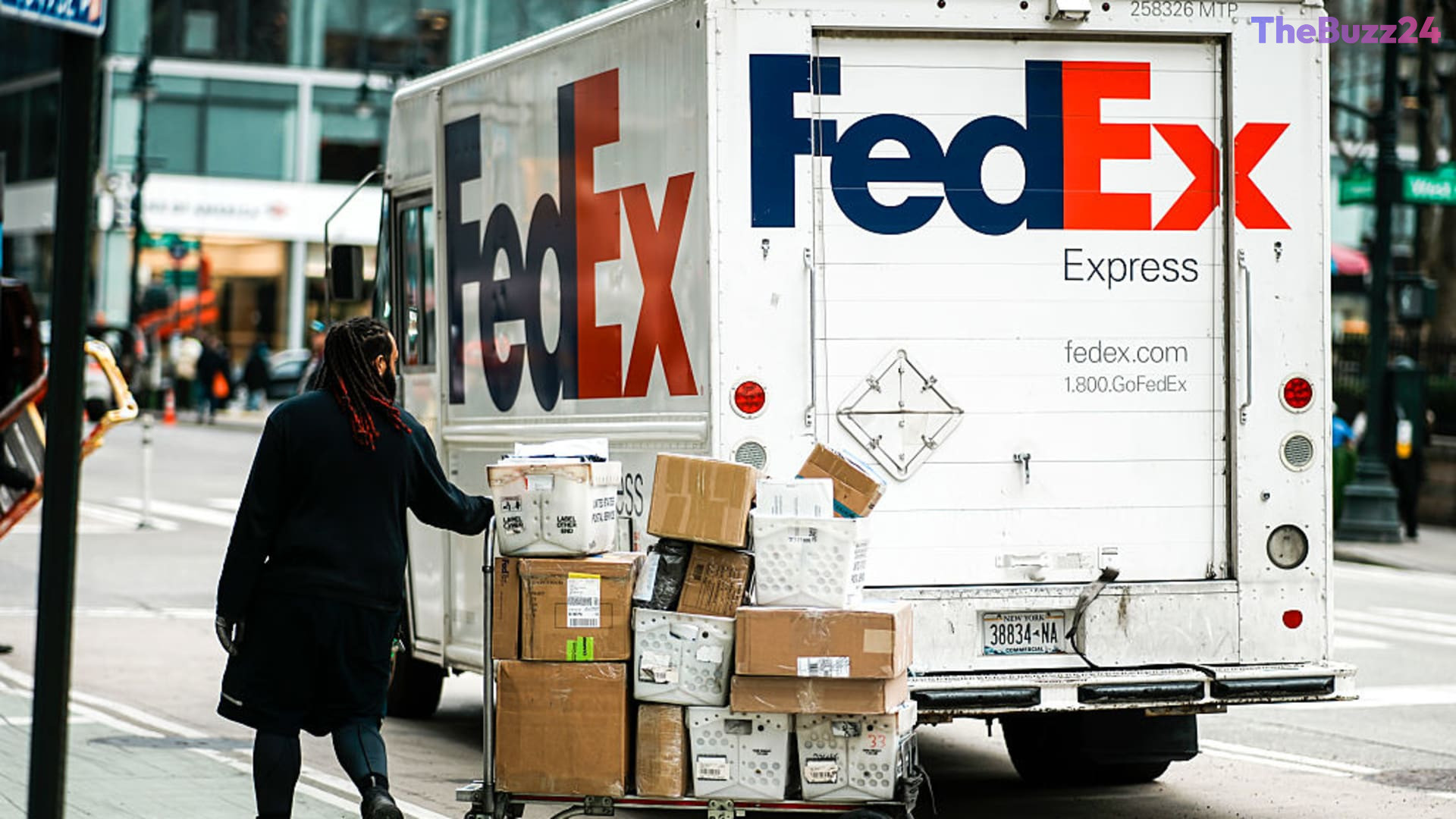
FedEx CEO Raj Subramaniam has publicly addressed market concerns regarding Amazon’s recent foray into offering its logistics services to external businesses. Subramaniam asserted that Amazon’s new venture is fundamentally distinct from FedEx’s established global logistics operations, aiming to reassure investors and stakeholders. He emphasized that Amazon continues to be a significant and valued customer for FedEx, underscoring the ongoing positive relationship between the two companies.
Amazon’s announcement of “Amazon Supply Chain Services” allows companies outside its e-commerce marketplace to leverage its shipping, distribution, and fulfillment infrastructure. This move sparked apprehension among investors, who feared a repeat of Amazon’s disruptive success in cloud computing, potentially creating a formidable competitor for traditional logistics providers. The initial market reaction saw FedEx shares dip by 9% and rival United Parcel Service shares fall by 10.5% on the day of the announcement, though both have since seen partial recoveries.
Subramaniam clarified that the comparison between Amazon’s offering and FedEx’s core business overlooks critical differences. He described FedEx as possessing a comprehensive, end-to-end global network capable of managing international shipments with rapid delivery times, a scope he suggested Amazon’s new service does not fully replicate. The FedEx CEO characterized Amazon’s initiative primarily as a third-party logistics (3PL) play, a market segment where FedEx already operates but which constitutes a small fraction of its overall business, generating around $2 billion against FedEx’s projected annual revenues exceeding $93 billion.
This viewpoint suggests that Amazon’s expansion may represent an evolution or repackaging of existing capabilities rather than the introduction of a wholly new competitive threat. Subramaniam’s comments come as FedEx is preparing to spin off its freight division, a strategic move intended to allow the core FedEx business to concentrate on its primary logistics, parcel delivery, and cargo operations.
Key Takeaways
- FedEx CEO Raj Subramaniam views Amazon's new logistics service as fundamentally different from FedEx's global network.
- Despite market jitters, Amazon remains a crucial customer for FedEx, with the CEO highlighting a strong existing relationship.
- Subramaniam characterized Amazon's offering as a 3PL service, a segment that represents a minor part of FedEx's overall business.
Editor’s Analysis & Impact
Amazon’s expansion into third-party logistics presents a complex competitive landscape for established players like FedEx. While the FedEx CEO downplays the direct threat, citing fundamental differences in network scope and capabilities, the market’s reaction underscores inherent investor anxieties about Amazon’s potential to disrupt any industry it enters. This move could intensify competition in the 3PL sector, potentially pressuring margins for all participants. For FedEx, the strategic spin-off of its freight division suggests a focus on core competencies, potentially positioning it to better compete in its primary markets while navigating the evolving dynamics introduced by tech giants entering logistics.
Frequently Asked Questions
Q: What is Amazon Supply Chain Services?
A: Amazon Supply Chain Services is a new offering from Amazon that allows businesses outside of its own marketplace to access Amazon's extensive logistics network, including shipping, distribution, and fulfillment capabilities.
Q: Why did FedEx's stock price drop after Amazon's announcement?
A: FedEx's stock price, along with that of rival UPS, experienced a decline due to investor concerns that Amazon's new logistics service could pose a significant competitive threat to established shipping and logistics companies.
Q: How does FedEx differentiate its services from Amazon's new offering?
A: FedEx CEO Raj Subramaniam differentiates FedEx's services by describing it as a true end-to-end global network capable of handling international shipments, whereas he characterizes Amazon's new service primarily as a third-party logistics (3PL) offering.
AI Disclosure: This article is based on verified data and official reports. Our Team and AI have cross-referenced every financial detail with primary sources to ensure total accuracy.
More from this Category