Diplomatic Crisis Deepens as U.S. Charges Former Cuban Leader Amid Regional Instability
The diplomatic standoff between the United States and Cuba has reached a critical juncture, characterized by a combination of severe economic sanctions and high-stakes legal maneuvers. Washington has intensified its pressure campaign, citing national security concerns as the primary driver for a strict oil blockade. These economic restrictions have crippled the island’s infrastructure, leading to persistent power outages and acute shortages of essential supplies, including food and medical resources.
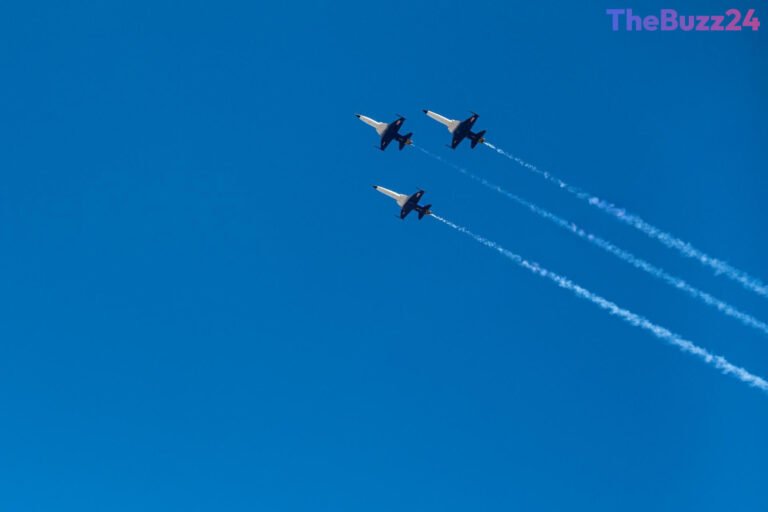
Legal tensions escalated significantly with the indictment of former Cuban leader Raúl Castro. The charges are linked to a 1996 incident involving the downing of two civilian aircraft by Cuban fighter jets, which resulted in the deaths of four individuals. While the U.S. Department of Justice maintains that the indictment is a necessary step toward achieving justice for the victims’ families, Cuban authorities have rejected the move as a politically motivated fabrication intended to manufacture a justification for military escalation.
Regional stability is further threatened by an increased U.S. military surveillance presence near the island. Intelligence reports have raised alarms regarding potential threats to U.S. interests, including the naval base at Guantanamo Bay, with allegations that Cuba may be developing drone capabilities. Havana has categorically denied these claims, labeling them as part of a broader strategy to destabilize the current government. As international powers like Russia and China monitor the situation, the path toward a diplomatic resolution remains obstructed by mutual distrust and conflicting narratives regarding the island’s internal governance and the role of the military conglomerate GAESA.
Key Takeaways
- The U.S. has indicted former Cuban leader Raúl Castro for his alleged role in the 1996 downing of two civilian aircraft.
- Economic sanctions and an oil blockade have led to a severe humanitarian and energy crisis within Cuba.
- Increased U.S. military surveillance and allegations of potential drone strikes have heightened fears of a direct regional conflict.
Editor’s Analysis & Impact
The current escalation between the U.S. and Cuba represents a significant shift in Western Hemisphere geopolitics, moving from long-standing diplomatic friction to active legal and military posturing. The indictment of a former head of state is a rare and aggressive move that effectively closes the door on near-term normalization efforts. From a market perspective, the instability poses risks to regional supply chains and could trigger a broader migration crisis, further complicating U.S. domestic policy. The involvement of global powers like Russia and China suggests that Cuba is once again becoming a focal point in a larger, multi-polar power struggle. Unless there is a significant shift in rhetoric or a back-channel diplomatic breakthrough, the outlook remains volatile, with the potential for further economic isolation of the island and increased military posturing in the Caribbean.
Frequently Asked Questions
Q: Why did the U.S. indict Raúl Castro?
A: The indictment is related to a 1996 incident where Cuban fighter jets intercepted and downed two civilian aircraft, resulting in the deaths of four people.
Q: What is the primary cause of the current energy crisis in Cuba?
A: The crisis is largely attributed to a strict oil blockade and targeted economic sanctions imposed by the United States, which have limited the island's ability to import fuel and essential goods.
AI Disclosure: This article is based on verified data and official reports. Our Team and AI have cross-referenced every financial detail with primary sources to ensure total accuracy.
More from this Category