US-India Strategic Partnership Deepens Amid Global Energy Volatility
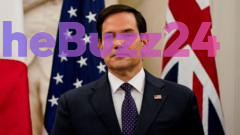
US Secretary of State Marco Rubio has arrived in Kolkata for a high-stakes four-day diplomatic mission to India, aimed at fortifying bilateral ties during a period of significant global instability. The visit comes as the international energy market faces severe pressure from ongoing conflicts in Iran and subsequent disruptions to critical shipping lanes in the Strait of Hormuz. Securing reliable energy pathways is expected to be the primary focus of discussions between Rubio and Indian Prime Minister Narendra Modi.
For India, which currently imports more than 80% of its energy requirements, the partnership with the United States is essential for maintaining economic momentum. By increasing US energy exports to India, both nations hope to stabilize fuel supplies while simultaneously addressing the US trade deficit, which hit $58.2 billion in 2025. Recent progress in lowering reciprocal tariffs and an interim agreement to boost the purchase of American technology and aircraft have laid the groundwork for this expanded cooperation.
Beyond the immediate energy agenda, the visit addresses broader regional security concerns. The itinerary includes a meeting of Quad foreign ministers, highlighting a shared commitment to maintaining influence and stability in the Indo-Pacific region. These discussions are taking place against a complex backdrop of regional diplomacy, including ongoing trade negotiations and the evolving geopolitical landscape involving neighboring nations. As India prepares to host the upcoming BRICS summit, the success of these talks will serve as a critical indicator of the future trajectory of the US-India strategic alliance.
Key Takeaways
- Secretary of State Marco Rubio is in India to prioritize energy security and stabilize fuel supplies amid global shipping disruptions.
- The US and India are working to reduce a $58.2 billion trade deficit through increased energy exports and reduced reciprocal tariffs.
- The visit includes Quad foreign minister meetings to reinforce regional security and influence in the Indo-Pacific.
Editor’s Analysis & Impact
The diplomatic engagement between the US and India signals a pivot toward pragmatic economic alignment in the face of global supply chain fragility. By prioritizing energy exports, the US is not only addressing its trade deficit but also positioning itself as a primary strategic partner for India’s growing industrial sector. This move is particularly significant as India balances its role in the Quad with its upcoming leadership of the BRICS summit. The long-term implication is a more integrated energy market between the two nations, which could serve as a hedge against volatility in the Middle East. If successful, this partnership will likely accelerate the transition of US-India relations from a purely political alliance to a deeply intertwined economic and security bloc, fundamentally altering the power dynamics in the Indo-Pacific.
Frequently Asked Questions
Q: Why is the US-India energy partnership considered critical right now?
A: The partnership is vital because global energy markets are currently destabilized by conflicts in Iran and shipping disruptions in the Strait of Hormuz, threatening India's energy security.
Q: What is the primary goal of the US regarding trade with India?
A: The US aims to narrow its $58.2 billion trade deficit by increasing energy exports and facilitating the sale of American technology and aircraft to India.
AI Disclosure: This article is based on verified data and official reports. Our Team and AI have cross-referenced every financial detail with primary sources to ensure total accuracy.
More from this Category