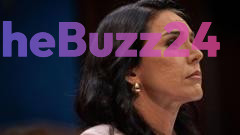
Tulsi Gabbard Resigns as Director of National Intelligence Amid Family Health Crisis
Tulsi Gabbard has formally announced her resignation from her role as the Director of National Intelligence, with her final day in office scheduled for June 30. In a statement issued this Friday, Gabbard cited a pressing family health emergency as the primary reason for her departure, noting that her husband, Abraham, has been diagnosed with bone cancer. She emphasized that the rigorous demands of her position are no longer compatible with the personal care and support she must prioritize for her husband’s recovery.
President Donald Trump acknowledged the resignation, expressing gratitude for her service and extending his support to the family during this challenging period. To ensure continuity within the intelligence community, Aaron Lukas, who currently serves as the principal deputy director, is expected to assume the responsibilities of the office as acting director. This leadership change follows a series of high-profile departures within the administration, which has already seen significant turnover in the Department of Labor, the Department of Homeland Security, and the Department of Justice.
During her time as the nation’s top intelligence official, Gabbard oversaw major structural changes, most notably a directive intended to reduce the size of the intelligence community by approximately 50%. Her tenure was marked by the management of complex geopolitical challenges, including military tensions involving Iran and shifting diplomatic relations with Cuba and Venezuela. Despite her background as an anti-interventionist, her leadership was defined by the intricate oversight of intelligence assessments and the execution of foreign policy objectives.
As Gabbard exits public service, the administration faces the immediate task of maintaining stability within the intelligence apparatus. Her departure marks the end of a notable career that transitioned from the Hawaii Legislature to Congress and eventually to the Republican Party, leaving the administration to navigate global intelligence operations during a period of significant international uncertainty.
Key Takeaways
- Tulsi Gabbard will step down as Director of National Intelligence on June 30 to support her husband through a cancer diagnosis.
- Principal Deputy Director Aaron Lukas is set to take over as the acting director following the transition.
- Gabbard’s tenure was highlighted by a controversial initiative to downsize the intelligence community by 50% and the management of various global geopolitical conflicts.
Editor’s Analysis & Impact
Tulsi Gabbard’s resignation creates a significant leadership vacuum within the U.S. intelligence community at a time of heightened global instability. Her tenure was defined by a controversial and aggressive mandate to restructure and downsize the intelligence apparatus, a policy that likely faced internal resistance and will now be subject to the priorities of her successor. The transition to an acting director suggests that the administration may prioritize stability over immediate policy shifts in the short term. However, the broader implication is the continued turnover within the cabinet, which could signal internal friction or a strategic pivot in the administration’s approach to national security. Markets and geopolitical observers will be watching closely to see if the 50% downsizing initiative continues under new leadership or if the administration recalibrates its intelligence strategy to address ongoing threats in the Middle East and Latin America.
Frequently Asked Questions
Q: Why is Tulsi Gabbard resigning as Director of National Intelligence?
A: Gabbard is stepping down to focus on her family and provide care for her husband following his recent diagnosis with bone cancer.
Q: Who will take over the role after Gabbard leaves?
A: Aaron Lukas, the current principal deputy director, is slated to assume the role of acting director.
AI Disclosure: This article is based on verified data and official reports. Our Team and AI have cross-referenced every financial detail with primary sources to ensure total accuracy.
More from this Category