Redefining Astronaut Fitness: New Tech Aims to Cut Exercise Time in Deep Space
As space agencies prepare for extended missions to the Moon and beyond, the physiological toll of microgravity on the human body remains a primary hurdle. Prolonged exposure to weightlessness leads to significant muscle atrophy and bone density loss, necessitating rigorous daily exercise routines. Currently, astronauts aboard the International Space Station must dedicate approximately two hours each day to physical training, which consumes valuable time that could otherwise be spent on critical scientific research and mission-critical tasks.
To mitigate these challenges, engineers are developing next-generation fitness equipment designed to be more efficient and compact. One notable innovation is the High-Frequency Impulse for Microgravity (HIFIm), a mechanical device capable of facilitating hundreds of exercises without requiring electrical power. By isolating vibrations to protect sensitive onboard experiments, the HIFIm system aims to reduce the daily exercise requirement to just thirty minutes. Similarly, the European Enhanced Exploration Exercise Device (E4D), created by the Danish Aerospace Company, integrates resistive training, cycling, and rowing into a single platform, utilizing motion-capture technology to ensure precise performance tracking.
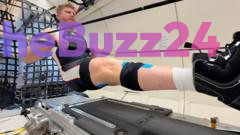
Testing these systems requires rigorous simulation, often involving parabolic flights that provide brief, controlled windows of weightlessness. This data is essential for refining equipment functionality before it is deployed on long-duration missions. As initiatives like the Artemis program progress toward establishing permanent lunar outposts, these advancements in exercise technology will be vital for maintaining astronaut health, ensuring that crews remain physically capable of performing complex operations in deep-space environments.
Key Takeaways
- New exercise technologies like HIFIm and E4D aim to reduce astronaut workout times from two hours to as little as thirty minutes.
- Advanced equipment is being designed to isolate vibrations, preventing interference with sensitive scientific instruments on spacecraft.
- Parabolic flight testing is currently being used to validate the performance of new fitness hardware in simulated microgravity conditions.
Editor’s Analysis & Impact
The development of compact, high-efficiency exercise equipment represents a critical pivot point for the future of deep-space exploration. As mission durations extend toward lunar habitation and eventual Mars transit, the ‘time-cost’ of maintaining human health becomes a major operational constraint. By drastically reducing the time required for physical maintenance, space agencies can significantly increase the productivity of their crews, effectively allowing for more scientific output per mission. Furthermore, the shift toward mechanical, non-electric solutions like the HIFIm device enhances mission safety by reducing reliance on power grids and minimizing mechanical failure points. This evolution in hardware not only addresses physiological health but also serves as a blueprint for sustainable, long-term human presence in environments where every kilogram of payload and every minute of crew time is precious.
Frequently Asked Questions
Q: Why is exercise so important for astronauts in space?
A: In microgravity, the lack of physical loading causes the body to lose muscle mass and bone density rapidly, which can lead to long-term health issues and physical weakness.
Q: How do researchers test exercise equipment for space?
A: Researchers use parabolic flights, which create brief periods of weightlessness, to observe how equipment behaves and how astronauts interact with it in a microgravity environment.
AI Disclosure: This article is based on verified data and official reports. Our Team and AI have cross-referenced every financial detail with primary sources to ensure total accuracy.
More from this Category