Nvidia CEO Jensen Huang Joins Presidential Delegation for High-Stakes Beijing Summit
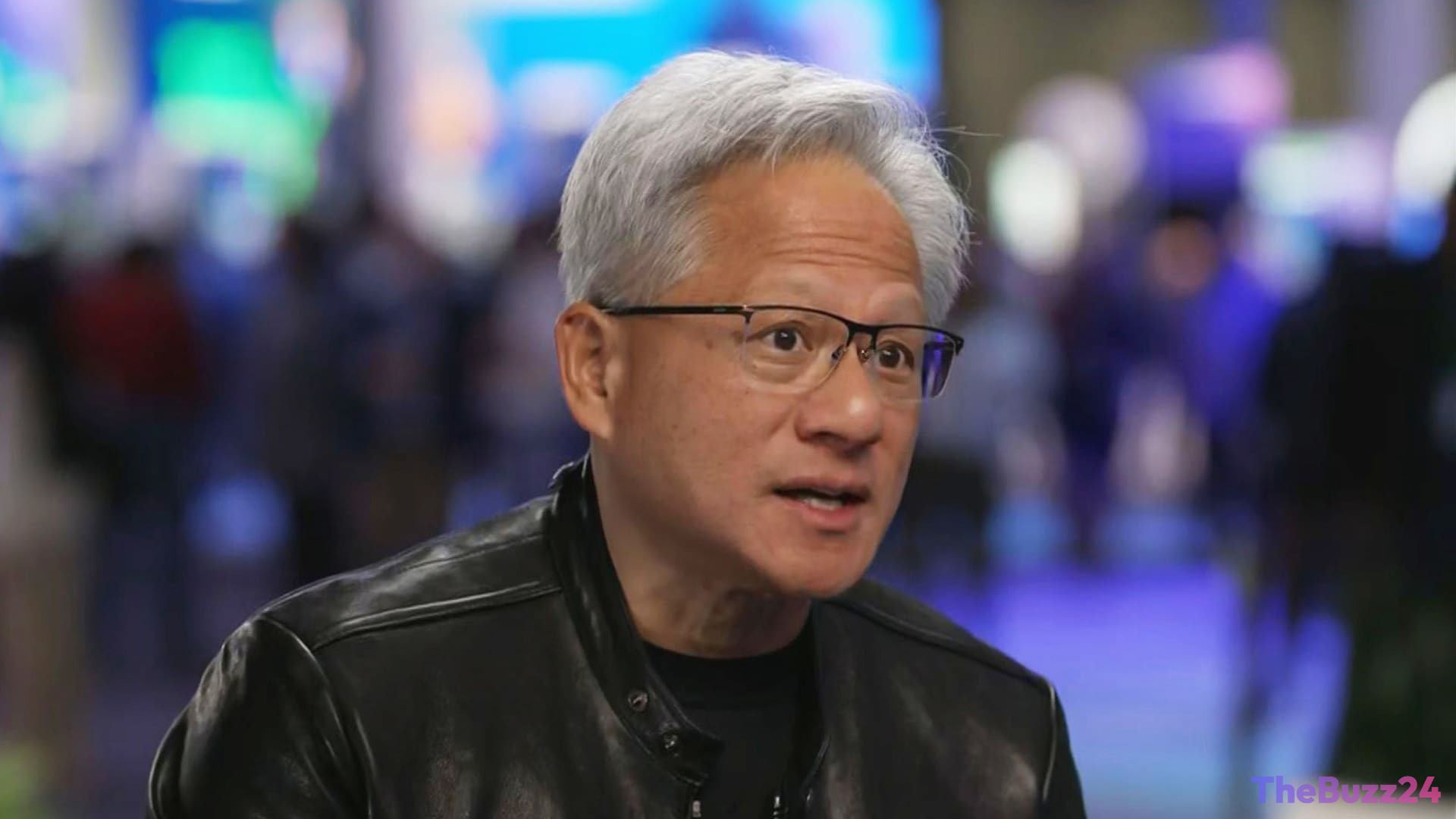
In an unexpected shift in diplomatic strategy, Nvidia CEO Jensen Huang has joined President Donald Trump’s official delegation for a critical summit in Beijing. The invitation, extended mid-journey as the presidential party stopped in Alaska, underscores the administration’s intent to leverage private sector expertise during sensitive trade and economic negotiations with Chinese President Xi Jinping.
Nvidia confirmed the CEO’s participation, noting that his presence is intended to support broader U.S. objectives regarding market access and fair competition. The move highlights the central role that the semiconductor industry plays in the ongoing geopolitical friction between the two global powers, particularly as advanced artificial intelligence hardware remains a primary subject of U.S. export controls.
This inclusion comes as Chinese firms continue to struggle with domestic alternatives to high-end graphics processing units, facing significant development hurdles without access to top-tier foreign technology. By bringing a key industry leader to the table, the administration is signaling a more integrated approach to international policy, aiming to demonstrate the necessity of opening Chinese markets to American innovation while navigating the complexities of global technology dominance.
Key Takeaways
- Nvidia CEO Jensen Huang joined President Trump's delegation to Beijing to participate in high-level trade and economic discussions.
- The inclusion of a major tech executive signals a strategic shift toward integrating private sector expertise into international diplomatic negotiations.
- The summit addresses critical tensions surrounding U.S. export restrictions on advanced AI hardware and the push for fair market access in China.
Editor’s Analysis & Impact
The inclusion of Jensen Huang in a presidential delegation represents a significant evolution in how the U.S. manages the intersection of national security and corporate interests. By embedding a leader from the semiconductor industry directly into trade talks, the administration is moving beyond traditional diplomacy to address the ‘tech-first’ nature of modern economic competition. This move suggests that the U.S. is prioritizing the protection and expansion of its AI hardware dominance as a primary bargaining chip. For the industry, this signals that Nvidia and similar firms will likely have a more direct, albeit scrutinized, role in shaping future export control policies. The long-term implication is a potential thawing of specific trade barriers, provided that the administration can successfully link market access for U.S. firms to broader geopolitical concessions from Beijing.
Frequently Asked Questions
Q: Why was the Nvidia CEO invited to join the presidential delegation?
A: Jensen Huang was invited to support the administration's objectives in trade negotiations, specifically to emphasize the importance of market access and fair competition for American technology companies in China.
Q: How does this visit relate to current U.S. export restrictions on AI hardware?
A: Nvidia's advanced AI hardware is currently subject to strict U.S. export controls. The summit provides a platform to discuss these restrictions and the challenges Chinese firms face in developing domestic alternatives to high-end graphics processing units.
AI Disclosure: This article is based on verified data and official reports. Our Team and AI have cross-referenced every financial detail with primary sources to ensure total accuracy.
More from this Category