Emergency Evacuations Ordered as Chemical Tank Threatens Southern California Community
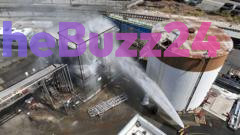
Over 40,000 residents in Southern California have been ordered to evacuate their homes following a critical equipment failure at a local aerospace manufacturing plant. The emergency stems from a storage tank containing 7,000 gallons of methyl methacrylate, a volatile chemical used in the production of plastics. The situation escalated rapidly after cooling systems failed, causing internal temperatures within the tank to rise to dangerous levels, creating an immediate risk of a thermal runaway event.
Authorities have characterized the threat as severe, noting that the compromised vessel could either rupture, releasing toxic fumes into the atmosphere, or explode, potentially igniting nearby chemical and fuel storage units. Emergency management teams have stressed that the evacuation is a mandatory safety measure, as the risk of a catastrophic failure remains high despite ongoing efforts to stabilize the site. The scale of the evacuation reflects the density of the surrounding residential area and the potential blast radius of the chemical storage unit.
Specialized hazardous materials units and industry experts are currently working to depressurize the tank and prevent further escalation. While responders have successfully halted the rapid temperature spikes, the evacuation order remains in place indefinitely as the site is monitored for stability. Local government agencies have opened temporary shelters for displaced families and are providing regular updates, while law enforcement continues to secure the perimeter to ensure public safety and allow emergency crews unimpeded access to the facility.
Key Takeaways
- More than 40,000 residents have been evacuated due to a failing chemical tank at an aerospace facility.
- The tank contains 7,000 gallons of methyl methacrylate, which poses a significant risk of explosion or toxic release.
- Emergency crews are working to depressurize the vessel, but evacuation orders remain in effect indefinitely.
Editor’s Analysis & Impact
This incident highlights the ongoing vulnerabilities associated with industrial facilities located in close proximity to residential zones. The potential for a ‘thermal runaway’ in chemical storage underscores the critical importance of redundant cooling systems and rigorous maintenance protocols in high-risk manufacturing environments. From a market perspective, this event will likely trigger a wave of regulatory scrutiny regarding the storage of hazardous materials in urban areas, potentially leading to stricter zoning laws and increased operational costs for aerospace and chemical manufacturers. In the long term, companies may be forced to invest in more advanced, fail-safe monitoring technologies and remote storage solutions to mitigate the reputational and financial risks associated with such near-miss catastrophes. The immediate focus remains on containment, but the broader implication is a shift toward heightened safety transparency for industrial neighbors.
Frequently Asked Questions
Q: Why was the evacuation order issued?
A: The evacuation was ordered because a storage tank containing 7,000 gallons of flammable methyl methacrylate experienced a cooling system failure, leading to a dangerous rise in temperature and a high risk of explosion.
Q: Is it safe for residents to return home yet?
A: No, the evacuation order remains in effect indefinitely. While emergency crews have stabilized the temperature, the site is still considered high-risk, and authorities are maintaining the perimeter until the tank is fully secured.
AI Disclosure: This article is based on verified data and official reports. Our Team and AI have cross-referenced every financial detail with primary sources to ensure total accuracy.
More from this Category