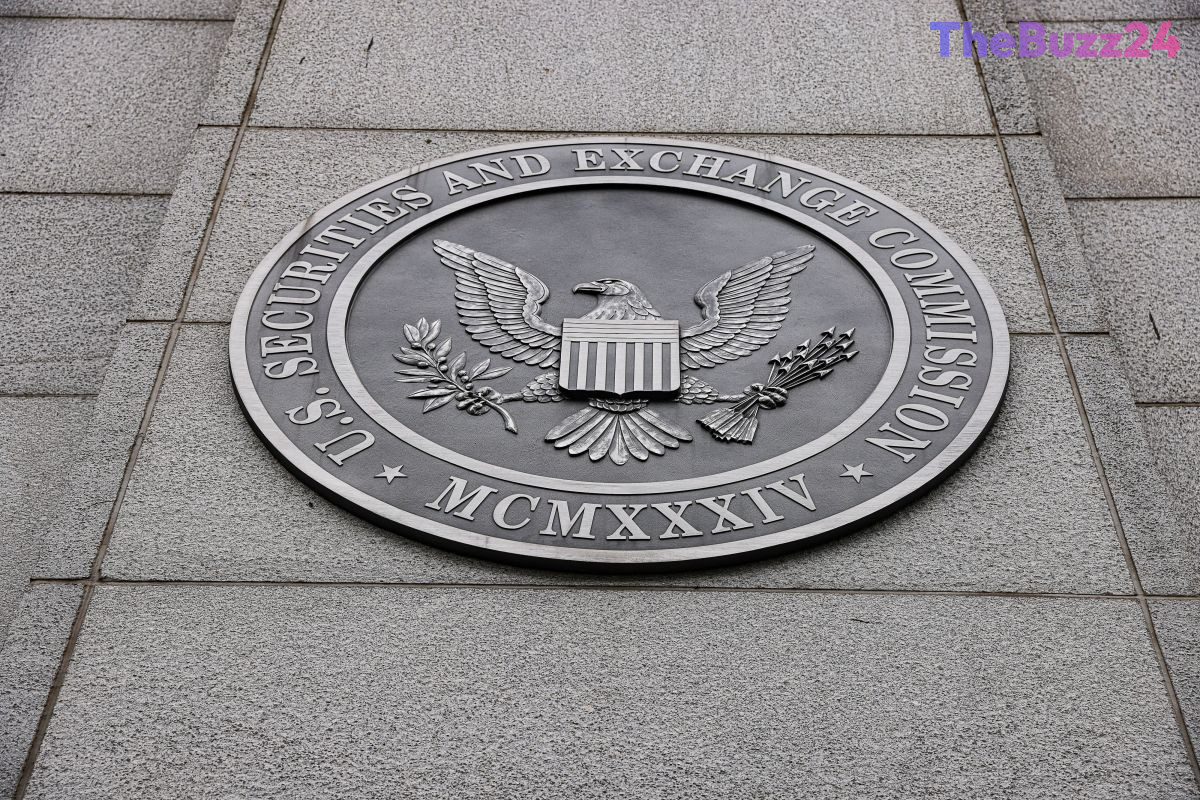
SEC Proposal to Halve Corporate Reporting Sparks Investor Outcry Over Transparency
The Securities and Exchange Commission (SEC) is currently weighing a significant policy shift that could fundamentally alter the landscape of corporate transparency in the United States. The proposal under consideration would transition publicly traded companies from the long-standing quarterly financial reporting cycle to a semi-annual schedule. This potential change has ignited a fervent debate, pitting arguments for corporate flexibility against the critical need for consistent data relied upon by individual investors.
Strong opposition to the proposal is being voiced by retail investor communities, notably including the influential WallStreetBets group. These investors contend that quarterly disclosures are a foundational element of a fair and equitable market, ensuring a level playing field for all participants. They highlight that while institutional firms often possess the resources to secure private data and direct access to corporate leadership, individual investors are heavily dependent on standardized public filings. Extending the reporting window to six months, they argue, would significantly widen the information gap, leaving smaller investors more vulnerable to sudden and unexpected market shifts.
Conversely, proponents of the semi-annual model suggest that less frequent reporting would alleviate the pressures of ‘short-termism’ that can often influence corporate decision-making. They posit that by reducing the intense focus on 90-day targets, executives would be better positioned to prioritize long-term innovation and sustainable growth strategies. However, skeptics quickly point to the sustained success of industry giants such as Apple and Nvidia as compelling evidence that rigorous quarterly reporting does not inherently impede growth. Furthermore, market analysts caution that a six-month reporting gap could introduce substantial volatility, as the eventual release of half-year results might trigger massive, abrupt price swings across major indices like the S&P 500.
As the public comment period continues, the tension between regulatory efficiency and investor protection remains a central concern. For many advocates of market democratization, the proposed change is perceived as a regressive step that could undermine public trust and financial literacy. The SEC’s final decision will undoubtedly serve as a defining moment for the future of transparency within the U.S. financial system, signaling whether the needs of the individual investor will continue to be a paramount priority in an increasingly digital and fast-paced market.
Key Takeaways
- The SEC is considering a proposal to move U.S. public companies from quarterly to semi-annual financial reporting.
- Retail investor groups, including WallStreetBets, strongly oppose the change, arguing it would disadvantage them by creating an information asymmetry.
- Critics suggest that less frequent reporting could increase market volatility and point to successful companies like Apple and Nvidia thriving under current quarterly requirements.
Editor’s Analysis & Impact
The SEC’s proposal to reduce financial reporting frequency represents a pivotal moment for market transparency and investor relations. While aiming to foster long-term corporate strategy by mitigating ‘short-termism,’ this move risks exacerbating information asymmetry, potentially marginalizing retail investors who rely heavily on timely public data. A shift to semi-annual reporting could lead to greater market volatility, as six months of accumulated data might trigger more pronounced ‘earnings shocks’ upon release. Ultimately, this policy could erode the trust of the retail investor base, a crucial component of market liquidity and stability, thereby undermining the very transparency that has historically underpinned confidence in the U.S. financial system.
Frequently Asked Questions
Q: How might a move to semi-annual reporting impact individual investors?
A: Individual investors would likely face an information disadvantage, as they would have fewer official updates to guide their investment decisions, potentially leaving them more vulnerable to market volatility and sudden price changes.
Q: Is there evidence that quarterly reporting hinders corporate growth or innovation?
A: Many critics argue there is no such evidence, pointing to the massive growth and sustained success of major companies like Apple and Nvidia, which have consistently thrived under the current quarterly reporting requirements.
AI Disclosure: This article is based on verified data and official reports. Our Team and AI have cross-referenced every financial detail with primary sources to ensure total accuracy.
More from this Category