Congress Probes EdTech Giant Instructure After Student Data Breaches
The U.S. House Homeland Security Committee has initiated a formal investigation into Instructure, the company behind the widely adopted Canvas learning management system. This probe follows a series of significant cyberattacks that compromised the personal information of millions of students across the globe. Lawmakers are seeking clarity on how recurring security weaknesses were exploited and have summoned Instructure CEO Steve Daly to provide testimony regarding the company’s security measures and its handling of these incidents.
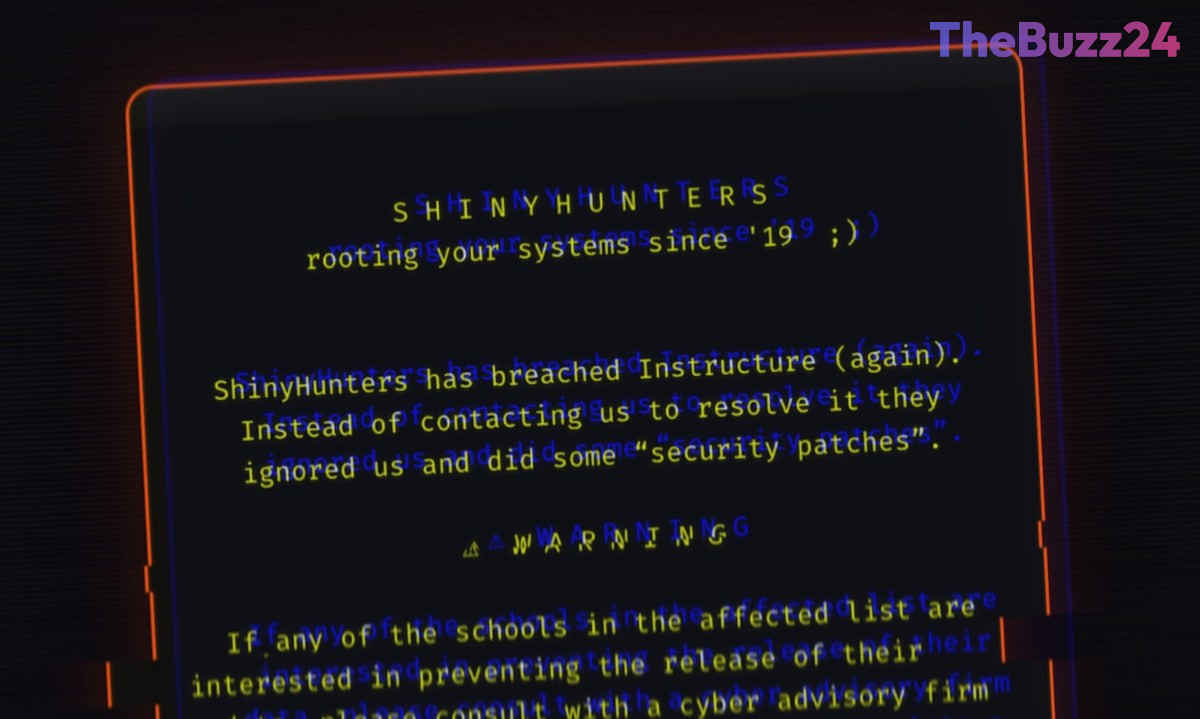
A central point of contention in the congressional inquiry is Instructure’s decision to engage in negotiations with the hacking group known as “ShinyHunters.” Despite the company’s claims of reaching an accord to have the pilfered data deleted, this strategy has faced sharp criticism from cybersecurity professionals. Many experts caution that dealing with extortionists offers no guarantee of data destruction and can, in fact, embolden further malicious activities. These concerns have been amplified by the fact that “ShinyHunters” managed to breach the platform a second time, even altering user login pages.
Representative Andrew Garbarino, who presides over the committee, highlighted that the persistent nature of these security lapses suggests fundamental issues within the company’s defense infrastructure. The investigation aims to determine the full extent of the data exfiltrated and evaluate Instructure’s cooperation with the Cybersecurity and Infrastructure Security Agency (CISA) during the breaches. As the congressional scrutiny intensifies, Instructure faces considerable pressure to demonstrate its capability to safeguard the digital systems essential to numerous educational institutions worldwide.
Key Takeaways
- The House Homeland Security Committee is investigating Instructure, the parent company of Canvas, following multiple student data breaches.
- Instructure's controversial negotiations with the 'ShinyHunters' hacking group have drawn significant criticism from cybersecurity experts and lawmakers.
- The investigation will examine systemic security failures and requires testimony from Instructure CEO Steve Daly.
Editor’s Analysis & Impact
This congressional investigation into Instructure signals a heightened focus on cybersecurity accountability within the education technology sector. As digital learning platforms become indispensable, they represent lucrative targets for cybercriminals. Instructure’s engagement with ‘ShinyHunters’ highlights the complex and often risky decisions companies face in the aftermath of a breach. The outcome of this probe could establish new precedents for regulatory oversight and data protection standards for EdTech providers, potentially leading to stricter compliance requirements and increased collaboration with federal agencies like CISA. For Instructure, restoring trust and demonstrating robust security will be paramount to mitigating reputational damage and retaining its client base.
Frequently Asked Questions
Q: Why is Instructure facing a congressional investigation?
A: Instructure is being investigated by the U.S. House Homeland Security Committee due to repeated cyberattacks on its Canvas platform, which led to the exposure of sensitive student data and raised concerns about the company's security protocols and incident response.
Q: What is the significance of the 'ShinyHunters' hacking group in this investigation?
A: The 'ShinyHunters' group is central to the investigation because Instructure reportedly negotiated with them after the data breaches. Cybersecurity experts and lawmakers criticize this approach, arguing it may not effectively secure data and could encourage future attacks, especially since the group allegedly breached the platform again.
Q: What are the potential consequences for Instructure?
A: Instructure faces intense scrutiny from lawmakers and cybersecurity experts. The investigation could lead to stricter regulatory requirements, potential fines, and significant damage to its reputation, potentially impacting its relationships with educational institutions and its market position.
AI Disclosure: This article is based on verified data and official reports. Our Team and AI have cross-referenced every financial detail with primary sources to ensure total accuracy.
More from this Category