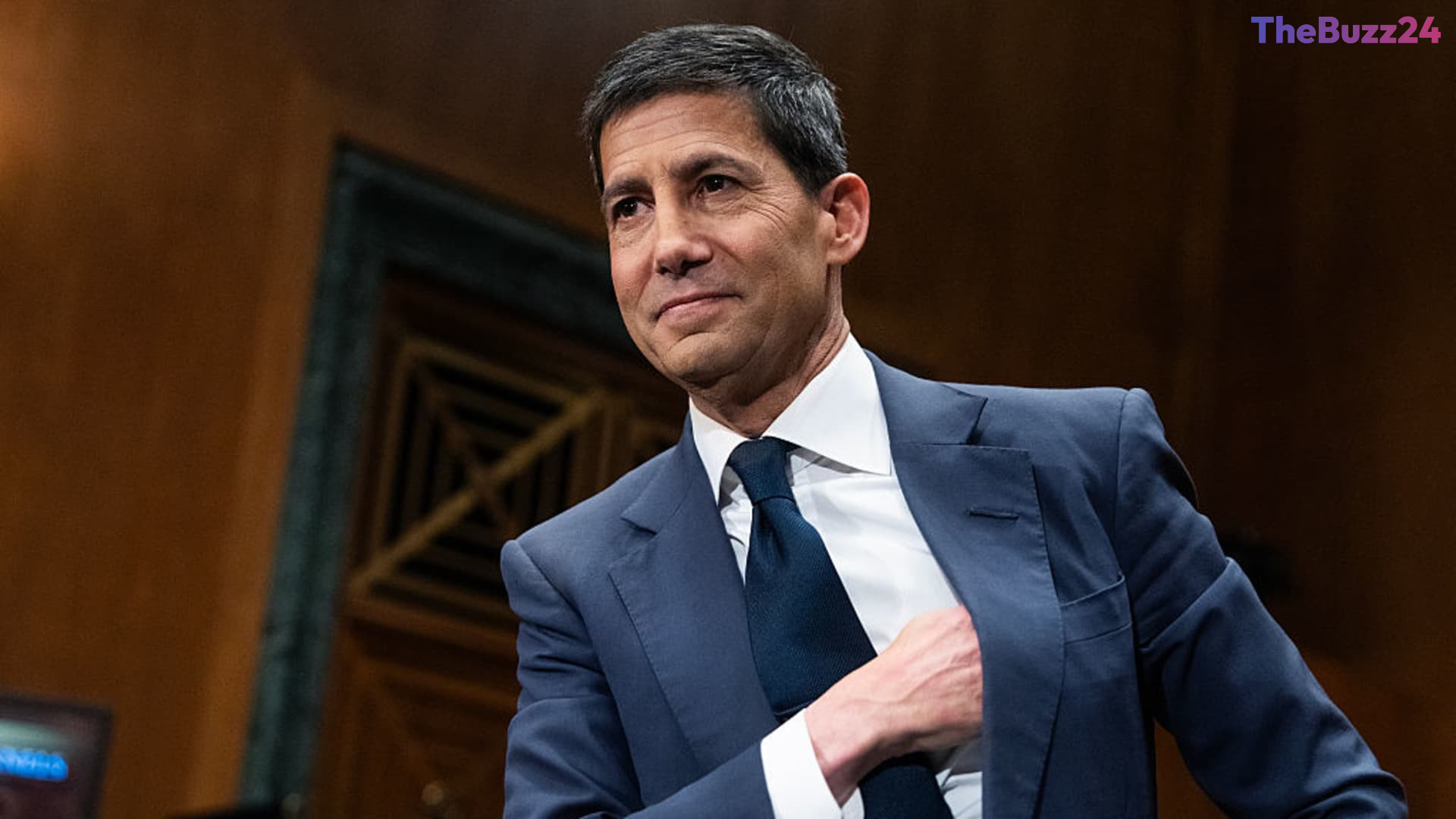
Senate Confirms Kevin Warsh as New Fed Chair Amidst Economic Uncertainty
The U.S. Senate has officially confirmed Kevin Warsh as the next Chair of the Federal Reserve, concluding a closely contested confirmation process with a 54-45 vote. This narrow margin underscores the divisive nature of the appointment, marking one of the tightest confirmation votes for the central bank’s top leadership role in recent history.
Warsh, 56, is set to succeed Jerome Powell, whose term as Chair concludes this week. His tenure begins at a critical juncture, with President Donald Trump actively pushing for lower interest rates. The confirmation process was largely split along party lines, with Senator John Fetterman (D-PA) being the only Democrat to vote in favor of Warsh’s appointment. Warsh, a known critic of current monetary policy, has previously advocated for significant changes within the Federal Reserve, famously calling for a “regime change.” His previous experience on the Fed board from 2006 to 2011 included expressing reservations about the extensive use of quantitative easing during the global financial crisis, believing it had been overused.
The confirmation comes as recent economic indicators reveal inflation persisting significantly above the Federal Reserve’s 2% target, with upstream price pressures reaching their highest point in over three years. These economic conditions present a complex backdrop for any immediate decisions regarding interest rate reductions, prompting markets to adjust their forecasts and even consider the possibility of a rate hike later in the year. Supporters, such as Representative French Hill (R-AR), have highlighted Warsh’s commitment to prioritizing “affordability and price stability” and his dedication to a disciplined monetary policy approach.
As Warsh prepares to lead his first Federal Open Market Committee (FOMC) meeting scheduled for June 16-17, Jerome Powell will transition to serving as a Fed governor. Notably, Warsh is also recognized as potentially the wealthiest individual to hold the position of Fed Chair, with personal holdings estimated to be over $100 million. This financial standing will require substantial divestments in compliance with the central bank’s recently enhanced ethics regulations.
Key Takeaways
- Kevin Warsh has been confirmed as the new Chair of the Federal Reserve by a narrow Senate vote.
- Warsh's appointment occurs during a period of high inflation and economic uncertainty, complicating calls for interest rate cuts.
- The new Fed Chair faces scrutiny over his significant personal wealth and the need for divestments under new ethics rules.
Editor’s Analysis & Impact
Kevin Warsh’s confirmation as Fed Chair signals a potential shift in monetary policy direction, particularly given his past criticisms of quantitative easing and his alignment with calls for lower interest rates. However, his tenure begins under challenging economic conditions, with inflation proving persistent and market expectations volatile. The market will be closely watching his first decisions, especially concerning the delicate balance between stimulating growth and controlling price stability. His substantial personal wealth also introduces a unique dynamic, requiring careful navigation of ethics regulations and potentially influencing perceptions of his independence.
Frequently Asked Questions
Q: Who is Kevin Warsh and what is his background?
A: Kevin Warsh is a 56-year-old economist and former Federal Reserve governor (2006-2011). He has been a vocal critic of the Fed's monetary policies, particularly quantitative easing, and has advocated for significant changes within the central bank.
Q: What are the main economic challenges facing the new Fed Chair?
A: The primary challenges include persistent inflation that remains above the Fed's target, escalating upstream price pressures, and President Trump's advocacy for lower interest rates. These factors create a complex environment for setting monetary policy.
Q: What is notable about Kevin Warsh's personal finances?
A: Warsh is potentially the wealthiest individual to ever serve as Fed Chair, with personal holdings exceeding $100 million. He will need to divest a significant portion of these assets to comply with the Federal Reserve's recently strengthened ethics policies.
AI Disclosure: This article is based on verified data and official reports. Our Team and AI have cross-referenced every financial detail with primary sources to ensure total accuracy.
More from this Category