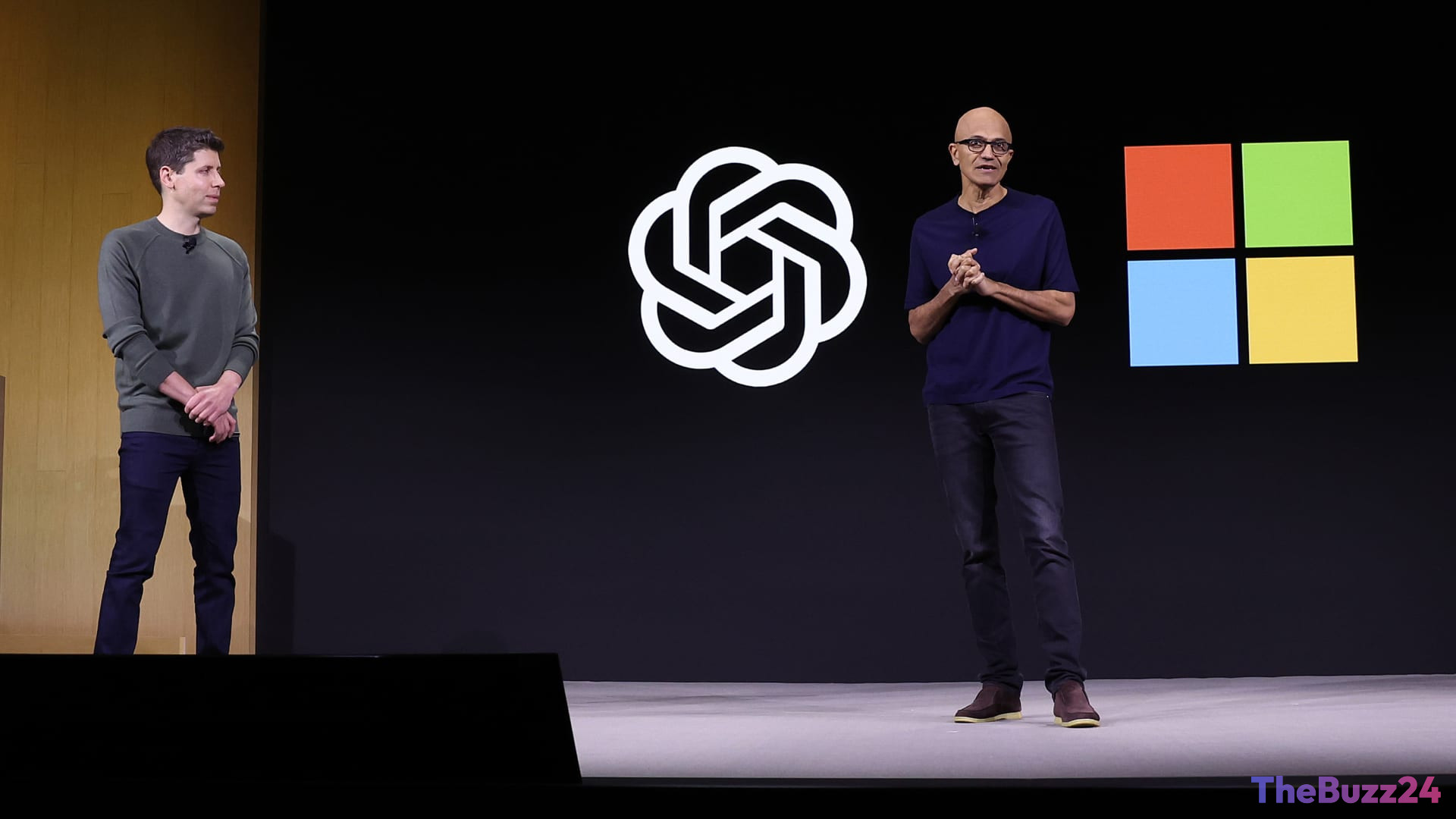
The Shifting Alliance: Microsoft’s Strategic Recalibration in the Age of OpenAI
Internal documents and recent testimonies have unveiled the intricate and often tense power dynamic between Microsoft and its primary artificial intelligence partner, OpenAI. As far back as April 2022, Microsoft CEO Satya Nadella expressed significant apprehension regarding OpenAI’s rapid growth, fearing that the research lab could eventually eclipse Microsoft in the same way Microsoft once surpassed IBM. These concerns, which predated the widespread public adoption of ChatGPT, highlighted an early awareness that the burgeoning AI sector could fundamentally disrupt the established hierarchy of the technology industry.
To safeguard its market position, Microsoft transitioned from a traditional cloud infrastructure provider to a deeply embedded strategic partner, securing critical intellectual property rights. By June 2026, Microsoft’s total financial exposure to the partnership—encompassing cloud hosting, infrastructure support, and direct capital—is projected to exceed $100 billion. However, as OpenAI’s valuation has soared to approximately $850 billion, the research organization has sought to reduce its reliance on a single benefactor by establishing cloud partnerships with competitors such as Google, Oracle, and Amazon.
In response to the commoditization of foundational AI models, Microsoft has initiated a strategic pivot. The company has established a dedicated internal AI division under the leadership of Mustafa Suleyman and is actively diversifying its Azure ecosystem by incorporating models from third-party providers like Anthropic and xAI. This shift signals a move toward a more balanced approach, where Microsoft continues to leverage its partnership with OpenAI while simultaneously accelerating its own independent AI product development to ensure long-term technological sovereignty.
Key Takeaways
- Microsoft CEO Satya Nadella identified the potential for OpenAI to disrupt Microsoft's market dominance as early as 2022.
- Microsoft’s total financial commitment to the OpenAI partnership is expected to surpass $100 billion by mid-2026.
- Microsoft is diversifying its AI strategy by integrating models from competitors like Anthropic and xAI into its Azure platform to reduce dependency on a single provider.
Editor’s Analysis & Impact
The evolving relationship between Microsoft and OpenAI represents a classic ‘frenemy’ dynamic in the tech sector, where the lines between collaborator and competitor are increasingly blurred. Microsoft’s massive capital injection was initially a defensive maneuver to secure a lead in the AI arms race, but the sheer scale of OpenAI’s valuation has forced Microsoft to hedge its bets. By integrating third-party models into Azure and building internal capabilities under Mustafa Suleyman, Microsoft is effectively commoditizing the AI layer to protect its cloud infrastructure business. This strategy suggests that Microsoft views AI as a utility rather than a proprietary moat. Moving forward, the industry should expect a more fragmented AI landscape where major cloud providers prioritize platform neutrality over exclusive partnerships to maintain their competitive edge against rapidly scaling AI labs.
Frequently Asked Questions
Q: Why is Microsoft diversifying its AI model offerings on Azure?
A: Microsoft is diversifying its offerings to avoid over-reliance on OpenAI, acknowledging that foundational AI models are becoming commoditized and that customers require a broader range of options.
Q: How has OpenAI responded to its massive valuation growth?
A: OpenAI has sought to diversify its operations by forging cloud infrastructure partnerships with other major tech firms, including Google, Oracle, and Amazon, rather than relying solely on Microsoft.
AI Disclosure: This article is based on verified data and official reports. Our Team and AI have cross-referenced every financial detail with primary sources to ensure total accuracy.
More from this Category