U.S. and China Forge New AI Safety Protocol Amid High-Stakes Diplomatic Tour
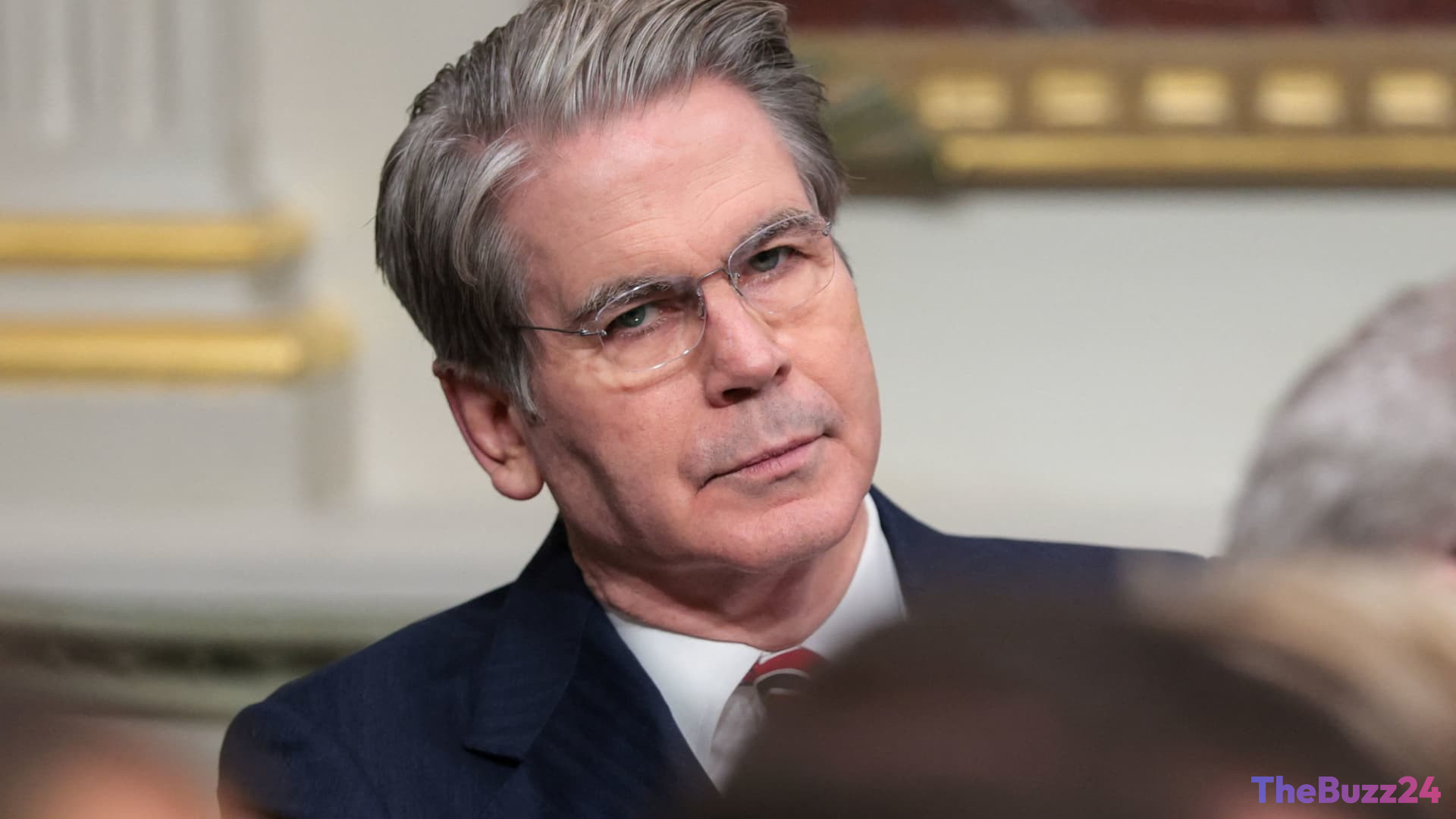
U.S. Treasury Secretary Scott Bessent has announced a landmark initiative to establish a formal protocol for artificial intelligence safety following high-level talks in Beijing. This move aims to create a framework for best practices in AI development while ensuring that powerful models do not fall into the hands of unauthorized non-state actors. Bessent noted that the United States currently maintains a dominant position in the AI sector, which provides the necessary leverage to engage in productive and “wholesome” discussions with Chinese officials regarding the future of the technology.
The urgency for such a protocol is underscored by the rapid evolution of large language models. Industry experts are bracing for significant advancements from major players like Google and OpenAI, with their respective Gemini and GPT-based models expected to deliver “step-function” improvements in capability. However, the rise of specialized models like Anthropic’s Mythos AI—reportedly capable of sophisticated cyberattacks—has heightened global security concerns, making international cooperation on safety standards a top priority for the current administration.
Beyond AI safety, the diplomatic mission addressed the friction over semiconductor exports. While the U.S. has restricted the sale of high-end Nvidia chips to curb China’s technological expansion, negotiations remain fluid regarding the potential clearance of Nvidia’s H200 AI chips for specific Chinese firms. The discussions also touched on broader geopolitical tensions, including the status of Taiwan, which President Donald Trump is expected to address in more detail shortly.
Bessent’s diplomatic efforts extended across East Asia, including stops in South Korea and Japan. In meetings with South Korean President Lee Jae Myung and Japanese Prime Minister Sanae Takaichi, the Treasury Secretary focused on securing supply chains for critical minerals and fostering investment agreements. These engagements, coupled with trade talks with Chinese Vice Premier He Lifeng, represent a comprehensive U.S. strategy to stabilize regional economic ties while maintaining a competitive edge in the global tech race.
Key Takeaways
- The U.S. and China are collaborating on a safety protocol to prevent advanced AI models from being misused by non-state actors.
- Major AI breakthroughs are anticipated from Google and OpenAI, signaling a massive leap in large language model capabilities.
- Diplomatic talks also covered semiconductor trade restrictions, specifically involving Nvidia's H200 chips, and regional security issues like Taiwan.
Editor’s Analysis & Impact
The establishment of an AI safety protocol between the U.S. and China marks a rare moment of cooperation in an otherwise competitive technological landscape. By leveraging its current lead in AI development, the U.S. is attempting to set the global standard for safety before next-generation models from OpenAI and Google redefine the industry’s limits. However, the underlying tension remains palpable, particularly regarding semiconductor export controls and the strategic importance of Taiwan. The inclusion of South Korea and Japan in this diplomatic circuit suggests that the U.S. is not just focused on China, but is actively building a ‘tech-shield’ alliance to secure critical minerals and supply chains. This multi-pronged approach indicates that while safety is a shared goal, technological supremacy and economic security remain the primary drivers of U.S. foreign policy in the Pacific.
Frequently Asked Questions
Q: What is the primary goal of the new AI safety protocol?
A: The protocol aims to establish best practices for AI development and prevent advanced, potentially dangerous models from being accessed by non-state actors.
Q: How is the U.S. managing semiconductor exports to China?
A: The U.S. continues to restrict high-end chips, such as those from Nvidia, to slow China's AI progress, though negotiations regarding specific chips like the H200 are ongoing.
Q: Which other countries were involved in these diplomatic talks?
A: In addition to China, Treasury Secretary Bessent met with leaders in South Korea and Japan to discuss trade, investment, and critical mineral supplies.
AI Disclosure: This article is based on verified data and official reports. Our Team and AI have cross-referenced every financial detail with primary sources to ensure total accuracy.
More from this Category