Cruise Ship Hantavirus Outbreak Sparks Debate Over U.S. Public Health Readiness
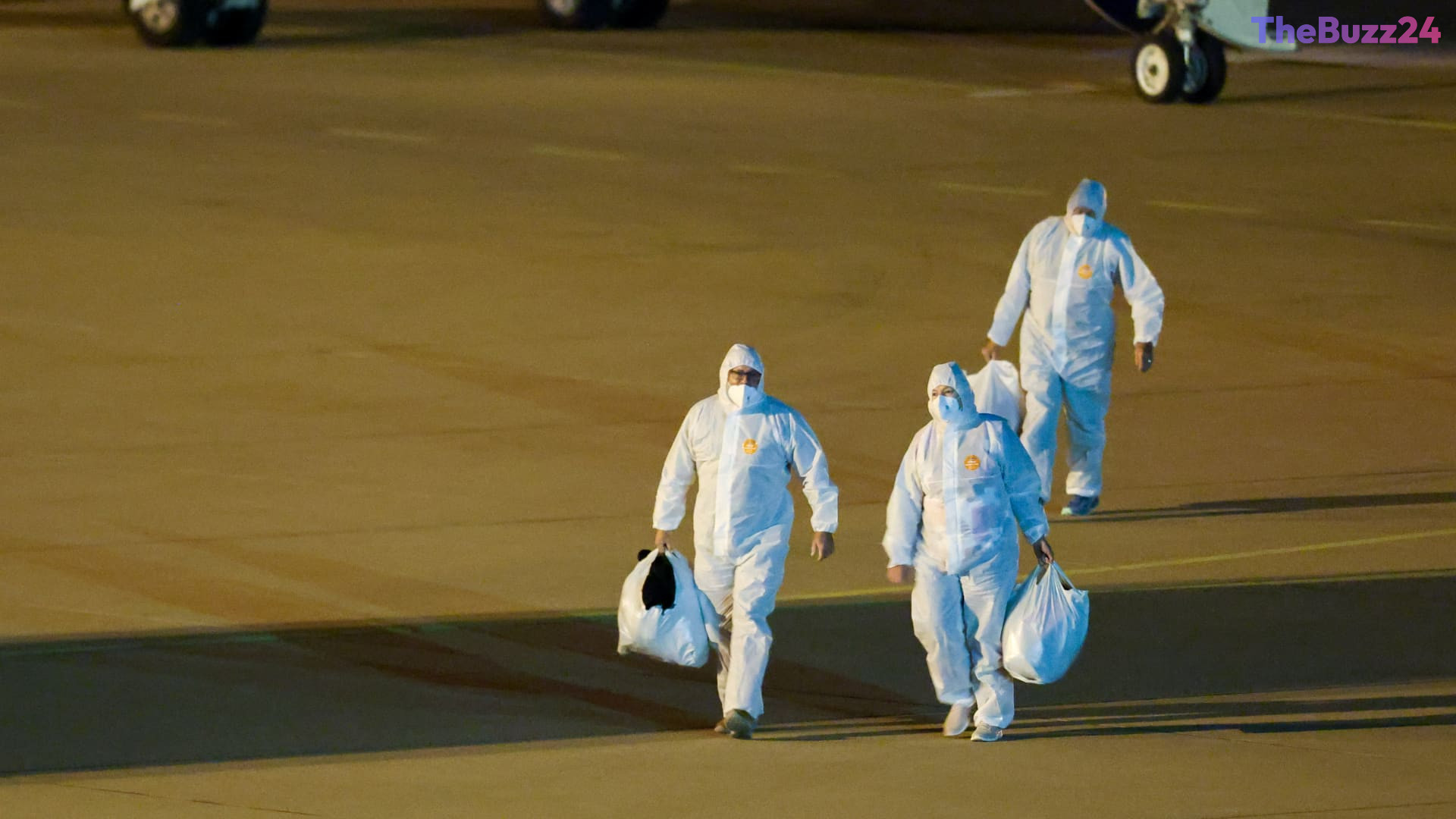
A recent hantavirus outbreak linked to the MV Hondius cruise ship has triggered public concern and renewed scrutiny regarding the United States’ ability to manage infectious disease threats. While health officials have confirmed 11 cases—including three fatalities—associated with the vessel, they are working to temper fears of a pandemic. Currently, 18 individuals who were on board the ship are under medical observation in Nebraska and Atlanta, though no U.S. citizens have tested positive for the virus to date.
Medical experts emphasize that the Andes strain of hantavirus involved in this incident poses a low risk for widespread transmission. Unlike respiratory viruses such as influenza or COVID-19, this pathogen is primarily transmitted through contact with infected rodent waste rather than person-to-person contact. While human-to-human transmission is theoretically possible, it is extremely rare and requires prolonged, close interaction. Specialists expect the outbreak to remain contained to those directly exposed during the voyage, though the nature of cruise ship environments continues to present unique challenges for infection control.
Despite the low risk of a broader outbreak, the incident has served as a catalyst for a critical review of the nation’s public health infrastructure. Critics argue that staffing shortages and leadership gaps within key health agencies have weakened the country’s defensive posture against potential biological threats. Experts have characterized the response as a “stress test” that highlights the necessity for sustained investment in public health, robust leadership, and international cooperation to ensure the U.S. is prepared for more transmissible pathogens in the future.
In the wake of the news, the scientific and financial sectors have begun to pivot. Pharmaceutical interest has intensified, with companies like Moderna seeing a positive market reaction following reports of early-stage research into a potential hantavirus vaccine. This development underscores how even localized health scares can have significant implications for global biotechnology investment and long-term pandemic preparedness strategies.
Key Takeaways
- The hantavirus outbreak linked to the MV Hondius is currently contained, with no confirmed cases among U.S. citizens under observation.
- Unlike highly contagious respiratory viruses, the Andes strain of hantavirus does not spread easily between humans, significantly lowering the risk of a pandemic.
- The incident has prompted experts to call for increased funding and leadership stability within U.S. public health agencies to better prepare for future disease threats.
Editor’s Analysis & Impact
The MV Hondius hantavirus incident serves as a microcosm for the broader vulnerabilities in global health security. While the virus itself is not a pandemic threat, the market’s reaction—specifically the rally in vaccine-related stocks—demonstrates the high sensitivity of the financial sector to any news involving infectious diseases. The primary implication here is not the immediate health risk, but the political and institutional ‘stress test’ it provides. The U.S. public health apparatus is currently under intense scrutiny, and the narrative shifting toward ‘preparedness’ suggests that future government spending and private sector R&D will likely prioritize rapid-response capabilities. Investors should monitor how public health policy evolves, as increased federal oversight and funding for infectious disease research will likely become a recurring theme in the coming fiscal cycles.
Frequently Asked Questions
Q: Is the hantavirus outbreak on the cruise ship a threat to the general public?
A: No. Health experts state that the risk to the general public is low because the Andes strain of hantavirus does not spread easily between humans.
Q: How is hantavirus typically transmitted?
A: The virus is primarily transmitted to humans through contact with infected wild rodents, usually by inhaling airborne particles from their waste.
AI Disclosure: This article is based on verified data and official reports. Our Team and AI have cross-referenced every financial detail with primary sources to ensure total accuracy.
More from this Category