A New Chapter in US-China Relations: Beijing Welcomes Donald Trump and Tech Titans for High-Stakes Summit
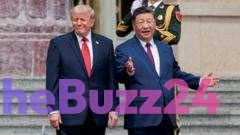
Beijing recently rolled out the red carpet for Donald Trump in a highly choreographed display of diplomacy, signaling a potential easing of tensions between the world’s two largest economies. The reception, which featured full military honors and a remarkably warm atmosphere, stood in stark contrast to the aggressive rhetoric that has previously defined bilateral relations. During the summit, Trump expressed high praise for Chinese President Xi Jinping, emphasizing a mutual desire to foster a more stable and constructive partnership despite ongoing friction over trade policies and regional security.
Crucially, the diplomatic mission was reinforced by a powerful delegation of American corporate leaders, highlighting the deep economic ties that bind Washington and Beijing. Industry giants including Tesla’s Elon Musk, Apple’s Tim Cook, and Nvidia’s Jensen Huang participated in the discussions. Their presence shifted the focus toward practical economic cooperation, with talks centering on expanding market access, securing global supply chains, and fostering new investment opportunities amid ongoing global economic uncertainty.
Beyond economic ties, the leaders tackled critical global security challenges. Discussions touched upon nuclear non-proliferation efforts regarding Iran, as well as safeguarding vital maritime energy routes through the Strait of Hormuz. While the summit concluded on a positive note—including an official invitation for President Xi to visit the White House—both nations acknowledged that deep-seated challenges remain. Long-term issues such as tariff disputes, the geopolitical status of Taiwan, and internal economic pressures within China continue to pose significant hurdles to a lasting consensus.
Key Takeaways
- Donald Trump's high-profile visit to Beijing signaled a diplomatic shift toward a more cooperative and cordial tone in U.S.-China relations.
- A prominent delegation of American tech executives, including Elon Musk and Tim Cook, emphasized the importance of maintaining deep economic and supply chain ties.
- While discussions covered critical global security issues like maritime transit and nuclear non-proliferation, core disputes over tariffs and Taiwan remain unresolved.
Editor’s Analysis & Impact
This high-stakes summit represents a calculated effort by both Washington and Beijing to stabilize a volatile relationship that dictates global market dynamics. By shifting the narrative from aggressive decoupling to constructive engagement, both administrations are attempting to reassure global markets and safeguard highly integrated supply chains. The heavy involvement of tech leaders like Tim Cook and Jensen Huang underscores that corporate interests remain a powerful anchor in bilateral diplomacy. However, this diplomatic thaw is fragile. The fundamental structural rivalries—particularly regarding technological supremacy, semiconductor supply chains, and the status of Taiwan—have not disappeared. While the immediate outlook suggests a period of managed competition, businesses must remain prepared for sudden policy shifts as both nations navigate their deep-seated geopolitical differences.
Frequently Asked Questions
Q: Which prominent American business executives attended the Beijing summit?
A: The American delegation featured high-profile tech leaders, including Apple CEO Tim Cook, Tesla CEO Elon Musk, and Nvidia CEO Jensen Huang, highlighting the economic interdependence of the two nations.
Q: What major geopolitical issues were addressed during the talks?
A: In addition to trade, the leaders discussed international security concerns, specifically focusing on nuclear non-proliferation in Iran and securing critical energy shipping lanes in the Strait of Hormuz.
Q: What are the primary obstacles still facing U.S.-China relations?
A: Despite the positive tone of the meetings, significant hurdles persist, including ongoing tariff disputes, the geopolitical status of Taiwan, and domestic economic challenges within China.
AI Disclosure: This article is based on verified data and official reports. Our Team and AI have cross-referenced every financial detail with primary sources to ensure total accuracy.
More from this Category