US-China Summit Concludes: Diplomatic Optimism Meets Economic Uncertainty
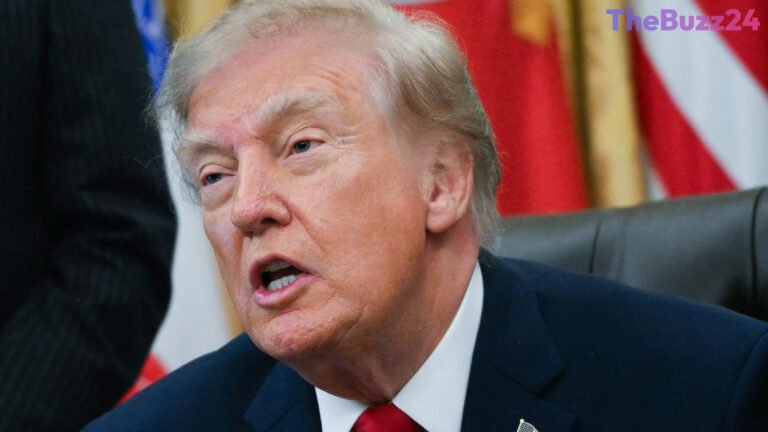
The recent high-level summit in Beijing between President Donald Trump and President Xi Jinping has concluded, leaving observers with a mix of diplomatic optimism and questions regarding the lack of finalized trade agreements. While both leaders described the two-day engagement as a historic success, official confirmation from Chinese authorities regarding specific trade commitments remains pending, highlighting the ongoing tension between maintaining diplomatic rapport and addressing complex economic disparities.
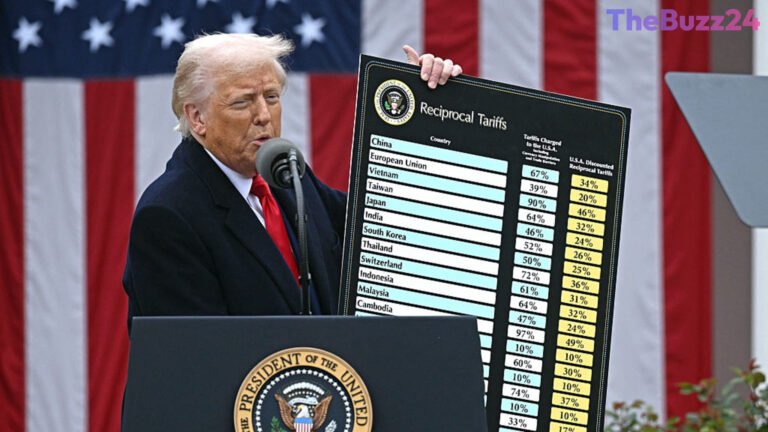
During the proceedings, President Trump highlighted potential economic gains for the United States, suggesting that China had signaled intent to purchase a significant volume of Boeing aircraft and increase imports of American soybeans. Despite these optimistic projections, these multi-billion-dollar transactions have yet to be formally ratified by Beijing. To mitigate immediate trade friction and avoid further tariff escalations, the two nations have proposed the creation of a joint ‘Board of Trade’ intended to oversee and stabilize bilateral commerce moving forward.
The summit also served as a platform for high-level discussions on the future of global technology. The inclusion of industry leaders such as Tesla CEO Elon Musk and Nvidia CEO Jensen Huang underscored the critical nature of the current discourse surrounding artificial intelligence and semiconductor supply chains. These sectors remain central to the competitive landscape between the two nations, as both sides navigate deep interdependencies in their respective technological ecosystems.
Beyond economic and technological concerns, the summit addressed pressing geopolitical matters. President Xi reaffirmed China’s position on Taiwan, while both leaders engaged in dialogue regarding regional security in the Middle East, with a specific focus on the Strait of Hormuz and the influence of Iran. The summit ended with an invitation for continued high-level communication, signaling a desire to maintain an open channel for future negotiations.
Key Takeaways
- The summit concluded with positive diplomatic rhetoric, though major trade deals involving Boeing and agricultural exports lack official Chinese verification.
- A new 'Board of Trade' has been proposed as a mechanism to manage economic friction and prevent immediate tariff escalations.
- Tech industry leaders, including Elon Musk and Jensen Huang, participated in discussions regarding the future of AI and semiconductor supply chains.
Editor’s Analysis & Impact
The Beijing summit reflects the persistent challenge of modern diplomacy, where public displays of cooperation often mask deep-seated structural disagreements. The proposed ‘Board of Trade’ serves as a necessary diplomatic buffer, yet the absence of signed, concrete agreements suggests that Beijing is maintaining a cautious stance. The prominent involvement of tech titans like Elon Musk and Jensen Huang confirms that the core of the US-China rivalry has shifted from traditional manufacturing to high-tech supremacy, particularly in AI and semiconductors. For global markets, this summit provides a temporary reprieve from volatility but fails to deliver the long-term policy certainty required for sustained investment. Businesses should remain prepared for a continued, complex geopolitical environment where technological sovereignty remains a primary point of friction.
Frequently Asked Questions
Q: What were the primary economic outcomes discussed at the summit?
A: While no major trade deals were officially finalized, discussions centered on potential large-scale Chinese purchases of Boeing aircraft and American soybeans, alongside the proposal to form a joint 'Board of Trade' to manage bilateral commerce.
Q: Why was the presence of tech executives significant at this summit?
A: The attendance of leaders like Elon Musk and Jensen Huang highlights that artificial intelligence and semiconductor access are now central to US-China relations, reflecting the critical importance of these technologies to both nations' economic and strategic interests.
Q: Were geopolitical tensions addressed during the meetings?
A: Yes, the leaders discussed sensitive geopolitical issues, including China's stance on Taiwan and security concerns in the Middle East, specifically regarding the Strait of Hormuz and Iran.
AI Disclosure: This article is based on verified data and official reports. Our Team and AI have cross-referenced every financial detail with primary sources to ensure total accuracy.
More from this Category