U.S. Intelligence Chief Visits Cuba, Tying Aid to Political Reforms Amid Energy Emergency
In a significant diplomatic move, the Director of the U.S. Central Intelligence Agency recently undertook a rare visit to Cuba, marking only the second time an American intelligence head has traveled to the island since the 1959 revolution. This high-level engagement served as a crucial platform for Washington to convey that any prospect of improved bilateral relations or humanitarian assistance is directly conditional on the Cuban government implementing fundamental political reforms. This position reinforces a long-standing U.S. foreign policy approach of linking engagement to systemic changes within the island nation’s governance structure.
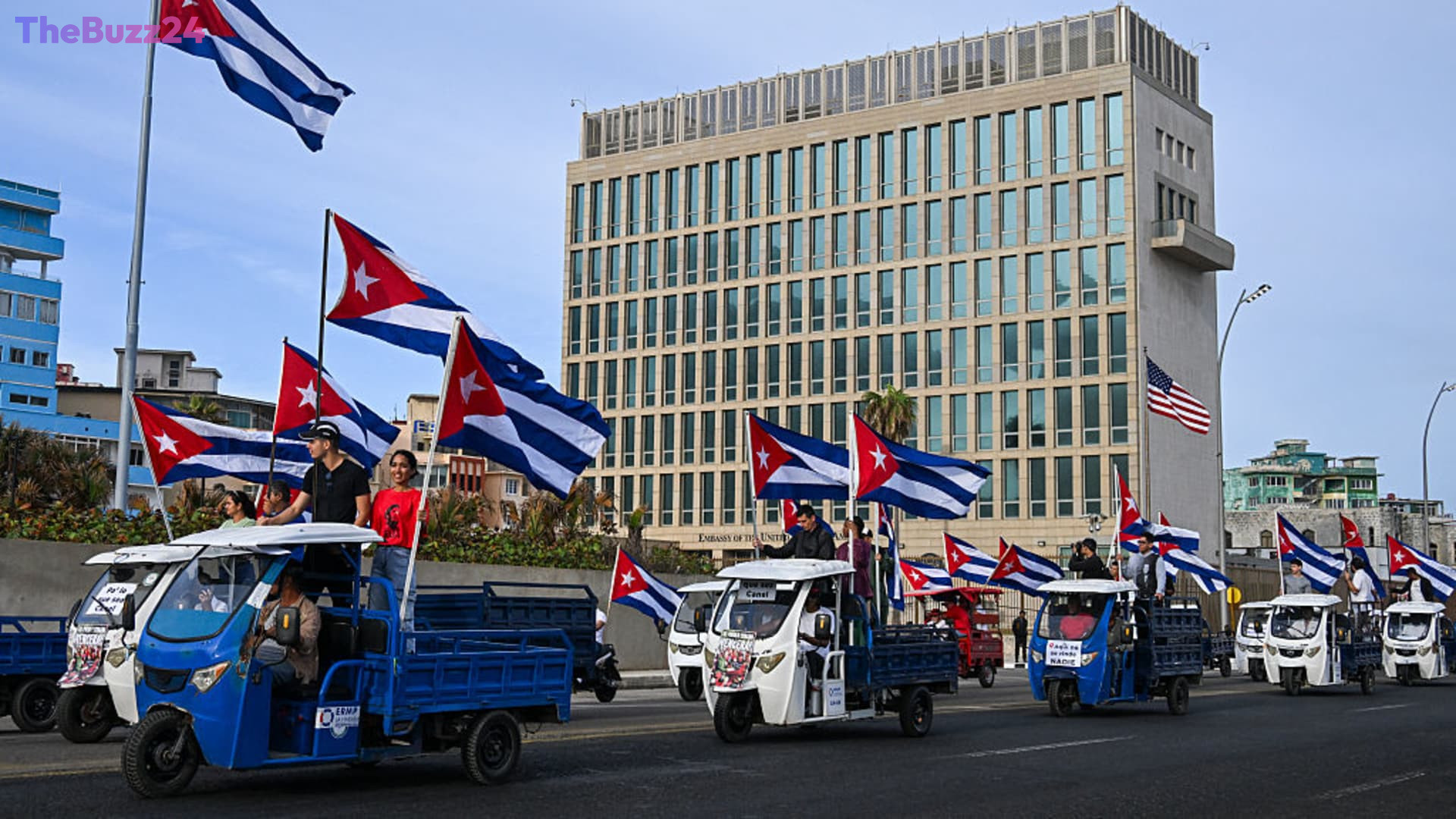
This diplomatic overture unfolds against the backdrop of a severe energy emergency gripping Cuba, significantly worsened by a drastic reduction in oil imports from Venezuela. The island is currently facing critical shortages of fuel oil and diesel, leading to widespread power grid instability and daily rolling blackouts that can last up to 22 hours. These dire conditions have fueled public discontent and protests in Havana, intensifying pressure on the Cuban administration as it navigates both a collapsing domestic economy and heightened international scrutiny.
To mitigate the humanitarian consequences of the crisis, the U.S. State Department has put forward a $100 million aid package, explicitly tied to the demand for meaningful political reform. While the Cuban government continues to condemn the ongoing U.S. economic blockade, it has also indicated a readiness to explore collaboration with American law enforcement on shared security concerns. Concurrently, increased U.S. military intelligence operations near the island suggest Washington is closely monitoring the evolving situation as the Cuban regime weighs the implications of accepting aid against maintaining its current political framework.
Key Takeaways
- A rare visit by the U.S. CIA Director to Cuba signals Washington's intent to link potential aid and improved relations to fundamental political reforms.
- Cuba is experiencing a severe energy crisis, driven by reduced Venezuelan oil imports, leading to extensive daily power outages and public unrest.
- The U.S. has offered a $100 million aid package, but its disbursement is contingent upon the Cuban government initiating systemic political changes.
Editor’s Analysis & Impact
This diplomatic interaction between the U.S. and Cuba marks a pivotal moment in Caribbean geopolitics. Washington is strategically leveraging Cuba’s acute energy crisis to exert maximum pressure for political liberalization. The effectiveness of this approach, however, remains uncertain, given Cuba’s historical resistance to external reform demands, often perceived as threats to sovereignty. The broader implications include potential shifts in regional stability, especially as the decline of Venezuelan oil support leaves Cuba increasingly isolated. Should the energy crisis continue to fuel domestic unrest, the Cuban regime might face a critical choice: accept U.S. aid and initiate reforms for economic survival, or maintain its current political trajectory, a decision that will profoundly shape U.S.-Cuba relations for years to come and potentially influence other authoritarian regimes in the region.
Frequently Asked Questions
Q: What was the main purpose of the U.S. intelligence chief's visit to Cuba?
A: The visit aimed to communicate Washington's stance that any future U.S. assistance or improved relations are strictly conditional on Cuba implementing significant political reforms.
Q: How severe is Cuba's current energy crisis?
A: Cuba is facing critical shortages of fuel oil and diesel, leading to widespread power grid instability and daily blackouts that can last up to 22 hours, causing significant public unrest.
Q: Is the U.S. aid package unconditional?
A: No, the proposed $100 million aid package from the U.S. State Department is explicitly tied to the Cuban government's willingness to implement fundamental political changes.
AI Disclosure: This article is based on verified data and official reports. Our Team and AI have cross-referenced every financial detail with primary sources to ensure total accuracy.
More from this Category