Tesla Robotaxi Data Reveals Remote Control Challenges in Austin
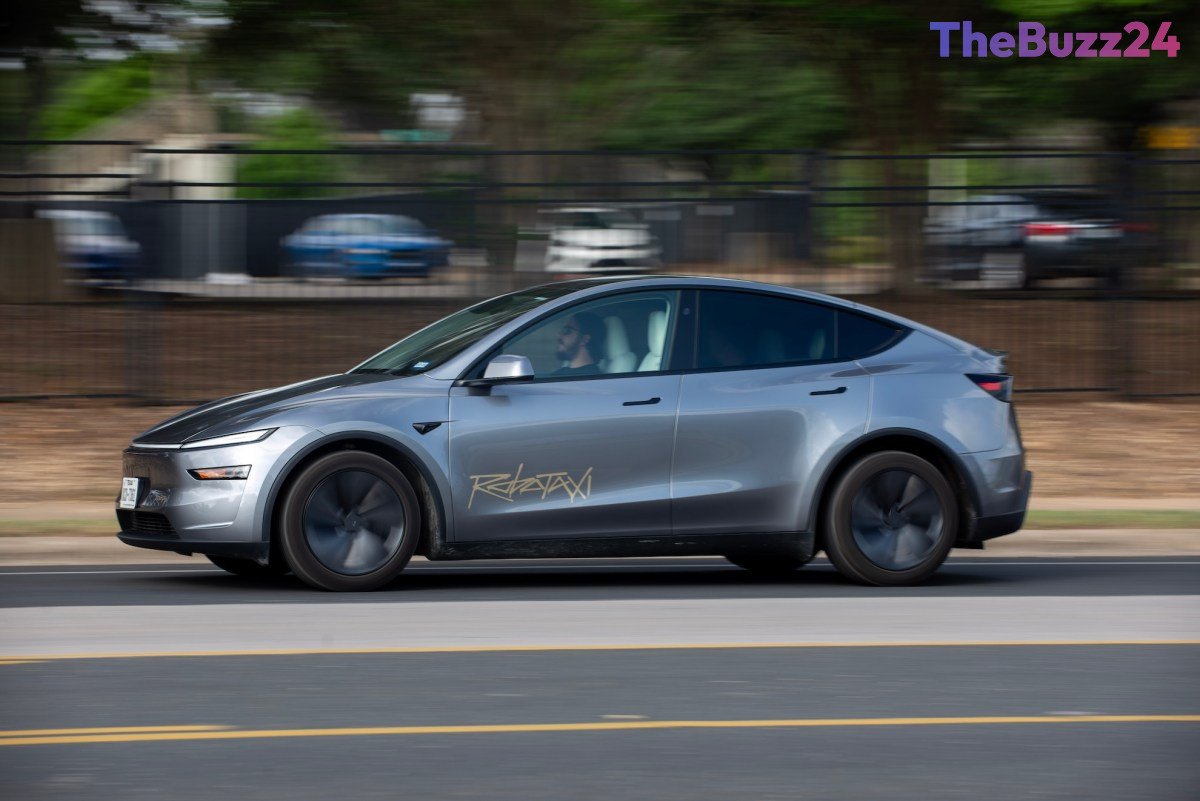
Newly released documentation submitted to the National Highway Traffic Safety Administration (NHTSA) has shed light on two low-speed collisions involving Tesla Robotaxis operating under human remote supervision in Austin, Texas. These incidents occurred when the vehicles’ automated driving systems encountered operational hurdles, prompting teleoperators to intervene and take manual control of the units.
In a July 2025 incident, a Robotaxi failed to move from a stationary position, leading a remote operator to take command. During the attempt to execute a left turn, the vehicle mounted a curb and struck a metal fence. A similar event occurred in January 2026, where a teleoperator assumed control after the vehicle requested assistance while navigating a straight path. The vehicle subsequently impacted a construction barricade at approximately 9 miles per hour, causing minor damage to the tire and front fender.
These disclosures are part of a broader move by Tesla to unredact narratives for 17 Robotaxi crashes recorded over the past year. By removing previous confidentiality labels, the company is providing a more granular view of its autonomous testing. While many of the 17 incidents involved other drivers hitting the Tesla vehicles, the newly public data confirms that the Robotaxis have also been responsible for minor collisions, including striking temporary barriers and clipping mirrors.
This increased transparency arrives as Tesla continues to refine its autonomous ride-hailing technology. While the company maintains a more measured deployment pace compared to industry rivals like Waymo and Zoox, the data highlights the inherent complexities of remote human-in-the-loop systems. The company continues to evaluate these incidents as it works toward broader operational goals.
Key Takeaways
- Tesla Robotaxis were involved in two low-speed collisions in Austin while under remote human teleoperator control.
- The incidents involved the vehicles striking a fence and a construction barricade during manual intervention.
- Tesla has released unredacted details for 17 total Robotaxi crashes to improve transparency regarding its autonomous testing.
Editor’s Analysis & Impact
The disclosure of these incidents provides a rare, transparent look at the ‘edge cases’ that continue to plague autonomous vehicle development. While the collisions were minor and occurred at low speeds, they highlight a significant friction point: the transition between autonomous software and remote human intervention. The industry is currently grappling with the reality that teleoperation is not a perfect safety net, but rather a complex operational layer that introduces its own set of human-error risks. For Tesla, this transparency is a strategic pivot to build regulatory and public confidence. Moving forward, the market will likely focus on how effectively the company can reduce the frequency of these ‘disengagement’ events, as the scalability of the Robotaxi business model depends heavily on minimizing the need for constant human oversight.
Frequently Asked Questions
Q: What triggered the remote control intervention in these incidents?
A: In both cases, the vehicle's automated driving system encountered a situation it could not navigate, prompting a request for human assistance from a remote teleoperator.
Q: Were there any injuries reported during these collisions?
A: No injuries were reported. The vehicles were operating without passengers, and the damage was limited to minor impacts with stationary objects like fences and barricades.
Q: Why is Tesla releasing this previously confidential information?
A: Tesla is moving to increase transparency regarding its autonomous vehicle operations, shifting away from its previous policy of classifying crash narratives as confidential business information.
AI Disclosure: This article is based on verified data and official reports. Our Team and AI have cross-referenced every financial detail with primary sources to ensure total accuracy.
More from this Category