Musk vs. Altman: The High-Stakes Legal Battle Over OpenAI’s Soul
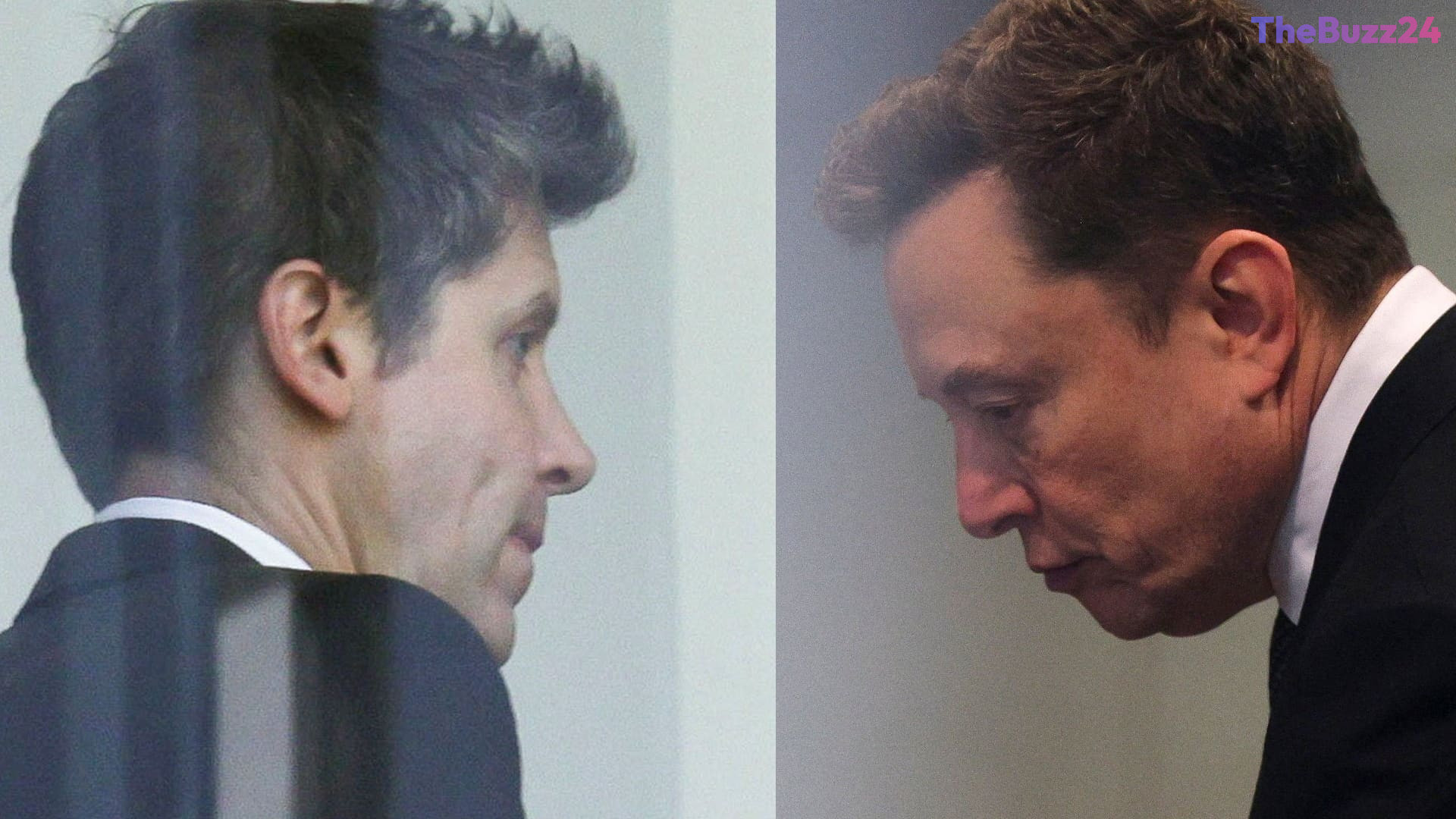
The once-collaborative partnership between Elon Musk and Sam Altman has devolved into a high-stakes legal battle, as a jury prepares to weigh claims that the founders of OpenAI strayed from their original non-profit mission. What began in 2015 as a shared vision to prevent a monopoly on artificial intelligence has transformed into a bitter court case in Oakland, California, centering on allegations that Altman and the leadership at OpenAI broke promises regarding the company’s structure and purpose. During the recent three-week trial, testimony highlighted the dramatic collapse of the relationship between the two tech titans. Musk, who provided significant initial funding and guidance for the organization, argued on the witness stand that he was the primary architect behind the venture. He contended that his co-founders, including Sam Altman and Greg Brockman, prioritized personal enrichment and corporate control over the original charitable objectives.
In his defense, Altman testified that no binding commitments were made to Musk regarding corporate structure, noting that early tensions were fueled by Musk’s desire for total control over the lab’s direction. Altman and other co-founders expressed concerns that Musk’s push for unilateral influence—even suggesting at one point that the lab be folded into Tesla—would have compromised the mission of developing artificial general intelligence for the public good. The testimony revealed a history of internal friction, including disagreements over recruitment, funding, and the eventual pivot toward commercial partnerships.
As the jury begins deliberations, the case stands as a rare glimpse into the internal power struggles of the AI revolution. Regardless of the legal outcome, the trial has underscored a profound ideological divide. While Musk maintains that he was sidelined and his vision betrayed, the leadership at OpenAI insists they have acted in the best interest of the technology’s development. Observers note that the public fallout between these two figures reflects a broader, ongoing debate about who should act as the steward of transformative technology, leaving the public to reconcile two very different accounts of a shared history.
Key Takeaways
- Elon Musk alleges that OpenAI leadership abandoned its original non-profit mission in favor of a profit-driven model.
- Sam Altman testified that there were no binding contracts regarding the company's structure and that Musk sought total control.
- The trial highlights a major ideological rift regarding the governance and ethical stewardship of artificial general intelligence.
Editor’s Analysis & Impact
This legal showdown represents more than just a personal feud; it is a landmark case for the artificial intelligence industry. The transition of OpenAI from a research-focused non-profit to a commercial powerhouse backed by billions in investment has created a blueprint for modern AI development that Musk argues is a betrayal of public trust. From a market perspective, the outcome could influence how future tech non-profits are structured and whether ‘founding agreements’ hold weight without explicit contracts. Furthermore, the revelation that Musk suggested merging OpenAI with Tesla suggests that the battle was always about who would lead the AI race. As AI becomes the most significant economic driver of the decade, this case underscores the tension between the massive capital required for compute power and the altruistic goals of safe, open-source development.
Frequently Asked Questions
Q: What is the primary basis of Elon Musk's lawsuit against OpenAI?
A: Musk claims that the leadership of OpenAI breached a 'founding agreement' to remain a non-profit dedicated to developing AI for the benefit of humanity, rather than for private profit.
Q: How did Sam Altman respond to the allegations in court?
A: Altman testified that no formal, binding contract existed and argued that Musk's legal action stems from his past failure to gain total control over the organization.
Q: Where is the trial taking place?
A: The trial is being held in a court in Oakland, California.
AI Disclosure: This article is based on verified data and official reports. Our Team and AI have cross-referenced every financial detail with primary sources to ensure total accuracy.
More from this Category