Beijing’s Balancing Act: Xi Jinping Navigates Global Power Shifts as Mediator
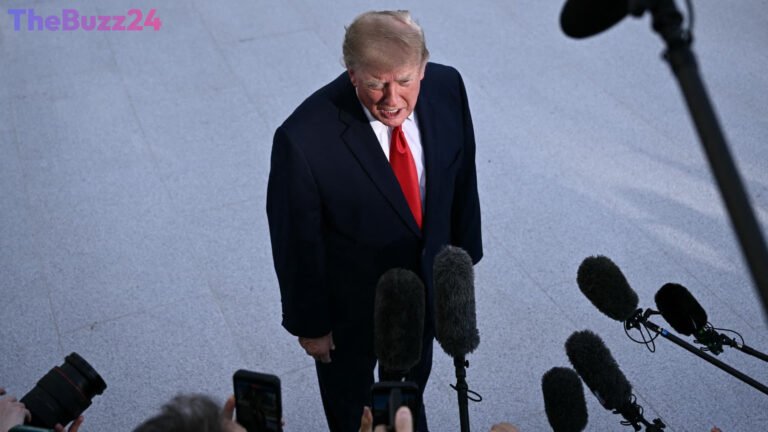
China is orchestrating a sophisticated diplomatic strategy, positioning itself as a pivotal global mediator amidst shifting international dynamics. Recent high-profile visits from both Russian President Vladimir Putin and former U.S. President Donald Trump, occurring in quick succession, underscore President Xi Jinping’s ambition to establish China as an indispensable superpower capable of bridging significant geopolitical divides. This calculated offensive aims to reorient the global landscape away from traditional Western dominance, projecting Beijing as a pragmatic and central player on the world stage.
While the public display of these state visits conveyed a sense of equal importance, the underlying strategic realities reveal nuanced relationships. For Russia, the engagement highlights its increasing reliance on Beijing, particularly for energy exports and circumventing Western sanctions. Moscow has pressed for deeper economic integration; however, China’s cautious stance, exemplified by the lack of concrete progress on a major bilateral gas pipeline, indicates a reluctance to compromise its own economic stability or broader international standing for unconditional solidarity with Russia.
This assertive diplomatic posture marks a significant recovery from China’s period of geopolitical isolation just a few years prior. Following friction related to the pandemic and backlash against its assertive ‘wolf warrior’ diplomacy, Beijing has recalibrated its approach. By adopting a softer tone and prioritizing economic stabilization, China has successfully repaired relationships with several key Western allies and reaffirmed its role as a vital engine of global commerce. This resurgence not only strengthens China’s international position but also bolsters Xi’s domestic narrative of national rejuvenation, portraying China as a stable, prosperous, and respected global leader.
Nevertheless, navigating this complex diplomatic tightrope presents considerable risks. China’s selective engagement in global crises—such as advocating for peace in the Middle East while refraining from direct condemnation of Russia’s actions in Ukraine—has generated skepticism, particularly among European nations. As Beijing endeavors to sustain its strategic partnership with Russia while preserving crucial trade relations with the West, its claims of impartiality will face continuous scrutiny. The path ahead will test China’s ability to overcome deep-seated international mistrust regarding its authoritarian governance to truly solidify its role as a global leader.
Key Takeaways
- China is actively cultivating an image as a crucial global mediator, hosting leaders from opposing geopolitical blocs to assert its influence.
- Beijing's partnership with Moscow is strategically cautious, prioritizing China's economic stability over unconditional support, despite Russia's reliance.
- China has successfully overcome recent diplomatic isolation by adopting a more conciliatory tone and re-emphasizing global economic engagement.
Editor’s Analysis & Impact
China’s current diplomatic strategy represents a sophisticated attempt to reshape the global order, positioning itself as a non-aligned alternative to the U.S.-led framework. This approach, while enhancing Beijing’s influence, carries substantial economic risks. Over-alignment with Russia could trigger secondary sanctions or accelerate supply chain decoupling by Western nations, impacting China’s export-driven economy. The success of this strategy hinges on China’s ability to maintain a delicate balance: fostering ties with Moscow while preserving critical trade relationships with the West. Failure to address European concerns regarding Ukraine, for instance, could isolate China from key markets, potentially hindering its domestic economic recovery and long-term global ambitions.
Frequently Asked Questions
Q: Why is China pursuing a global mediator role?
A: China aims to project itself as an indispensable global power capable of bridging geopolitical divides, challenging the traditional Western-centric international order, and enhancing its influence on the world stage.
Q: How does China's relationship with Russia compare to its ties with Western nations?
A: While China maintains a strategic partnership with Russia, the relationship is increasingly asymmetrical, with Russia heavily reliant on China. Beijing, however, prioritizes its own economic stability and global trade relations, exercising caution in its support for Moscow to avoid jeopardizing its ties with the West.
Q: What are the main criticisms of China's current diplomatic approach?
A: China faces skepticism, particularly from Western nations, due to its selective engagement in global conflicts, such as its neutrality on the war in Ukraine, and ongoing international mistrust regarding its authoritarian governance. Critics question its impartiality as a global mediator.
AI Disclosure: This article is based on verified data and official reports. Our Team and AI have cross-referenced every financial detail with primary sources to ensure total accuracy.
More from this Category