Nigeria’s Anti-Graft Agency Nabs Ex-Power Minister After 75-Year Corruption Sentence
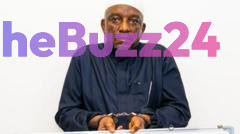
Nigerian authorities have successfully apprehended former Power Minister Saleh Mamman, who had been at large since receiving a 75-year prison sentence earlier this month. The Economic and Financial Crimes Commission (EFCC) confirmed his capture in Kaduna state, following an extensive intelligence-led operation. This development marks a significant breakthrough in the nation’s ongoing battle against high-level corruption.
Mamman, who oversaw the power ministry from 2019 to 2021, was convicted on a dozen counts of corruption. The charges stemmed from the misappropriation of approximately 22 billion naira—equivalent to roughly $14 million—earmarked for two critical hydroelectric power projects. Evidence presented during his trial revealed that the former official channeled these public funds through proxy companies and associates. He was sentenced in absentia after failing to appear for court proceedings.
The apprehension of a former cabinet member for such a lengthy sentence underscores Nigeria’s renewed commitment to holding senior officials accountable, a challenge that has historically seen limited success. EFCC Chairman Ola Olukoyede stressed the agency’s priority in ensuring Mamman serves his full term, highlighting the profound breach of public trust involved. Furthermore, Mamman is reportedly facing separate allegations of fraud amounting to an additional 31 billion naira.
This case has garnered considerable public attention, particularly given Nigeria’s persistent struggle with chronic electricity shortages. Despite being a significant energy producer, the nation’s citizens frequently contend with power outages, often resorting to costly private generators. The conviction of a minister specifically tasked with improving the country’s power infrastructure has intensified national discussions about how systemic corruption directly impacts essential public services and the daily lives of millions.
Key Takeaways
- Former Nigerian Power Minister Saleh Mamman was arrested after evading a 75-year corruption sentence.
- He was convicted for misappropriating approximately $14 million intended for hydroelectric projects during his 2019-2021 tenure.
- The arrest signifies a major step in Nigeria's fight against high-level corruption, amidst ongoing public frustration over chronic power shortages.
Editor’s Analysis & Impact
This arrest sends a powerful signal regarding Nigeria’s resolve to tackle systemic corruption, particularly within its political elite. The conviction and subsequent apprehension of a former minister, especially one linked to critical infrastructure like power, could bolster public confidence in anti-graft institutions. For the business and investment community, it might suggest a more stable and transparent operating environment in the long term, though immediate impacts on specific sectors like energy infrastructure development remain to be seen. The case also highlights the deep-seated issues affecting public services, where corruption diverts funds from essential projects. Future implications could include increased scrutiny on public contracts and a potential deterrent effect on other officials, fostering greater accountability and potentially improving service delivery in vital sectors.
Frequently Asked Questions
Q: Who is Saleh Mamman?
A: Saleh Mamman is Nigeria's former Minister of Power, who served from 2019 to 2021.
Q: What was he convicted of?
A: He was convicted on 12 counts of corruption for misappropriating approximately 22 billion naira ($14 million) intended for two hydroelectric power projects.
Q: Why is this arrest significant for Nigeria?
A: The arrest is significant as it demonstrates Nigeria's commitment to prosecuting high-level corruption, a challenge that has historically seen few convictions of senior officials, and it addresses public frustration over the impact of corruption on essential services like electricity.
AI Disclosure: This article is based on verified data and official reports. Our Team and AI have cross-referenced every financial detail with primary sources to ensure total accuracy.
More from this Category