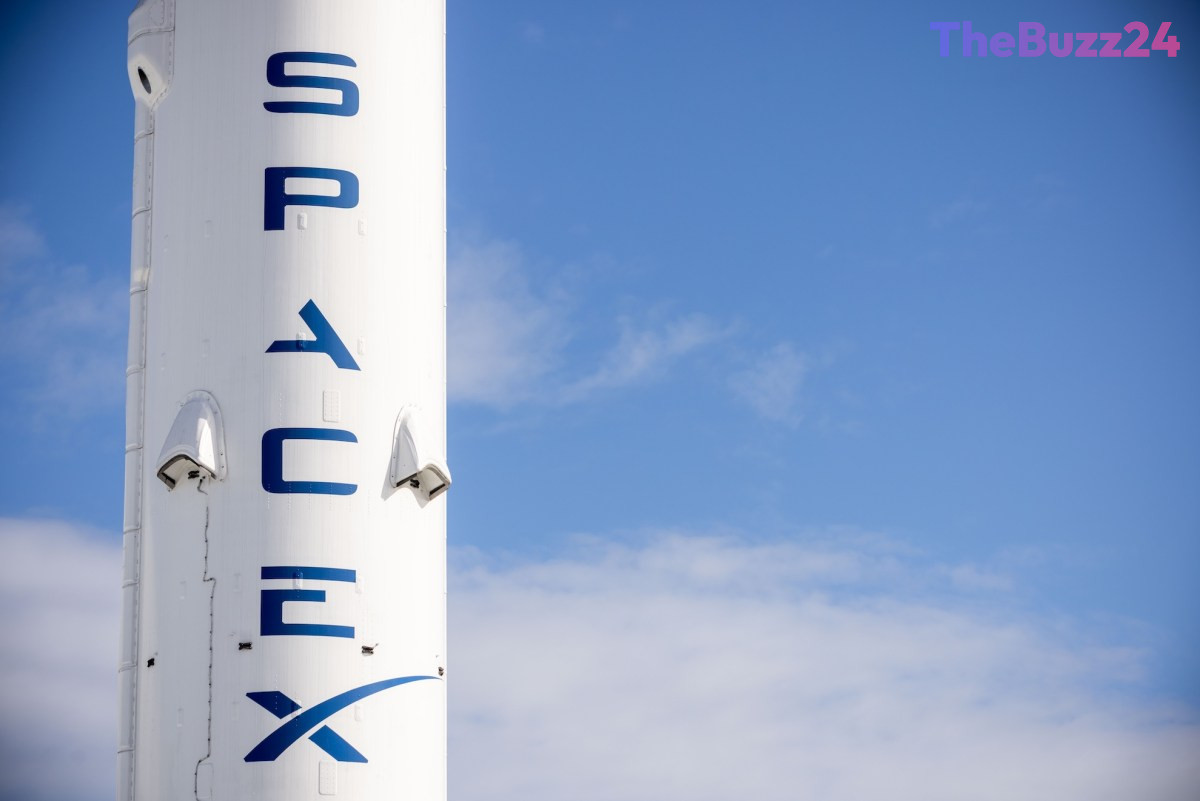
Elon Musk’s SpaceX Eyes Public Market with Trillion-Dollar Valuation and Ambitious AI, Space Plans
Aerospace pioneer SpaceX is reportedly moving forward with plans for a public stock offering, a development poised to reshape the company’s trajectory. The enterprise, led by visionary Elon Musk, is estimated to command a staggering $1.75 trillion valuation as it prepares to list on the Nasdaq exchange under the proposed ticker ‘SPCX’. This strategic move underscores SpaceX’s evolution from a groundbreaking rocket startup into a multifaceted technology powerhouse. Despite the public listing, Musk is expected to maintain substantial influence over the company’s strategic direction, retaining 93.6% of Class B shares, which carry a significant 10-to-1 voting advantage, alongside his roles as CEO, CTO, and board chairman.
Financial disclosures reveal that a substantial portion of SpaceX’s revenue streams from its Starlink satellite internet division, which accounted for over $11 billion of the company’s $18 billion total revenue in the past year. However, this growth was accompanied by a reported deficit of $4.9 billion in 2025. A significant allocation of capital expenditure is currently directed towards xAI, Musk’s artificial intelligence venture. Approximately 60% of the company’s capital spending has been channeled into these AI initiatives, which are navigating both high development costs and ongoing legal challenges estimated at $530 million.
The company’s ambitious future roadmap is largely centered on the Starship program, a fully reusable launch system designed to drastically reduce orbital delivery costs by an estimated 99%. SpaceX envisions Starship as a cornerstone not only for deploying satellites and facilitating human colonization of Mars but also for pioneering projects such as orbital AI data centers and ultra-fast terrestrial transportation. With Starship’s development costs reaching $3 billion in 2025 alone, the company is making a considerable bet on its ability to scale these advanced technologies to achieve its long-term objectives of establishing a permanent human presence on Mars and building extensive space-based computing infrastructure.
Key Takeaways
- SpaceX is preparing for a public offering on Nasdaq with an estimated valuation of $1.75 trillion, under the ticker 'SPCX'.
- The company's financials show strong Starlink revenue but also a $4.9 billion deficit, with 60% of capital spending directed towards xAI.
- The Starship program is central to SpaceX's future, aiming to cut launch costs by 99% for Mars colonization and orbital AI data centers.
Editor’s Analysis & Impact
The impending SpaceX IPO marks a pivotal moment, not just for the aerospace sector but for global capital markets. By integrating satellite internet, deep-space exploration, and cutting-edge artificial intelligence, SpaceX is effectively pioneering a new category of “multi-planetary technology conglomerate.” Investors will closely scrutinize the substantial capital directed towards xAI, weighing the speculative potential of space-based computing against immediate financial pressures from development costs and legal liabilities. Should the Starship program succeed in commoditizing space access, it could fundamentally transform the economics of telecommunications and manufacturing. However, the company’s reliance on Elon Musk’s concentrated voting power and the highly ambitious nature of Mars colonization will likely introduce significant market volatility, positioning this as one of the most closely observed public offerings in recent history.
Frequently Asked Questions
Q: What is the estimated valuation of SpaceX for its upcoming IPO?
A: SpaceX is estimated to have a valuation of $1.75 trillion as it prepares for its public stock offering on the Nasdaq exchange.
Q: How significant is Starlink to SpaceX's current revenue?
A: Starlink's satellite internet division contributed over $11 billion to SpaceX's total revenue of $18 billion in the past year, making it a major revenue driver.
Q: What are the primary goals of the Starship program?
A: The Starship program aims to develop a fully reusable launch vehicle to reduce orbital delivery costs by 99%, enabling satellite deployment, Mars colonization, orbital AI data centers, and ultra-fast terrestrial travel.
AI Disclosure: This article is based on verified data and official reports. Our Team and AI have cross-referenced every financial detail with primary sources to ensure total accuracy.
More from this Category