Geopolitical Realities: The Limits of the Russia-China Strategic Partnership
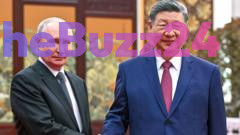
Russian President Vladimir Putin and Chinese leader Xi Jinping recently held a high-level summit in Beijing, emphasizing their long-standing personal rapport and a shared vision for a global order that challenges Western influence. The meeting, which marks one of many interactions between the two leaders, served as a platform to voice collective opposition to United States nuclear strategies and missile defense initiatives. The carefully managed event was designed to project a unified front to the international community, highlighting a deepening diplomatic alignment between Moscow and Beijing.
However, the summit also exposed the pragmatic boundaries that define this complex relationship. A primary objective for the Russian delegation was to finalize the ‘Power of Siberia 2’ pipeline, a vital infrastructure project intended to pivot Russian gas exports away from European markets and toward China via Mongolia. Despite the Kremlin’s push for a definitive agreement, the deal remained unsigned. This outcome suggests that Beijing is exercising caution, aiming to avoid over-dependence on Russian energy while leveraging its position as a primary economic partner.
Ultimately, the diplomatic encounter underscores the reality that national self-interest often supersedes personal diplomatic ties. While both nations are united by a desire to reshape the global landscape, their specific economic and strategic goals frequently diverge. As Russia seeks to mitigate the effects of international sanctions and the loss of traditional energy markets, China’s measured approach to negotiations indicates that their partnership is governed by distinct, and sometimes conflicting, national priorities.
Key Takeaways
- Vladimir Putin and Xi Jinping met in Beijing to project a united front against Western policies, specifically targeting U.S. nuclear and missile defense strategies.
- The highly anticipated 'Power of Siberia 2' gas pipeline deal failed to reach a final agreement, highlighting Beijing's cautious economic approach.
- The summit revealed that despite a shared geopolitical vision, the Russia-China partnership is constrained by differing national interests and economic leverage.
Editor’s Analysis & Impact
The recent summit between Moscow and Beijing illustrates a sophisticated dynamic that defines the current global order. While both nations are motivated by a desire to erode Western hegemony, their economic relationship is increasingly asymmetrical. China is currently in a position of strength, allowing it to dictate terms on energy imports and avoid over-committing to Russian infrastructure projects that could invite secondary sanctions or disrupt its own economic stability. For Russia, the need for a pivot to Asian markets is existential, yet this desperation provides China with significant bargaining power. Moving forward, we can expect this relationship to remain characterized by high-level political posturing, while actual economic integration proceeds at a slow, calculated pace dictated by Beijing’s long-term strategic risk assessment.
Frequently Asked Questions
Q: Was a final agreement reached on the 'Power of Siberia 2' pipeline during the summit?
A: No, while the project was discussed, no final deal was signed, as China continues to negotiate from a position of economic caution.
Q: What is the primary goal of the Russia-China strategic partnership?
A: The partnership is largely driven by a shared desire to challenge the current international order and counter Western policies, particularly those related to U.S. nuclear and missile defense strategies.
AI Disclosure: This article is based on verified data and official reports. Our Team and AI have cross-referenced every financial detail with primary sources to ensure total accuracy.
More from this Category