Crude Oil Prices Slump as Geopolitical Friction Eases on U.S.-Iran Diplomatic Framework
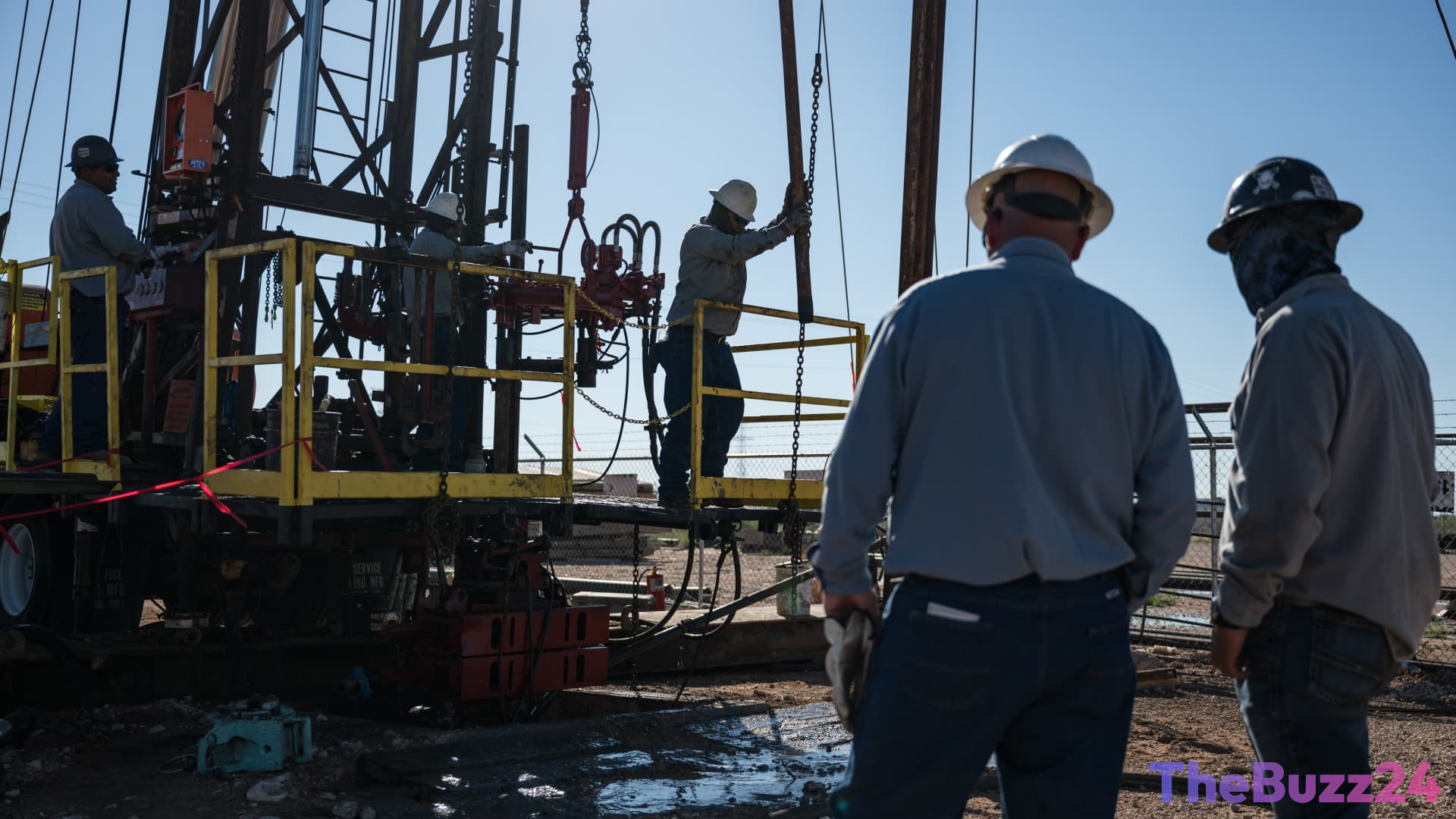
Global crude oil benchmarks experienced a sharp decline during Asian trading sessions as market participants reduced geopolitical risk premiums. The sell-off followed official announcements indicating that a planned military action against Iran had been halted in light of potential diplomatic progress. September futures for West Texas Intermediate dropped over 5% to settle around $80.39 per barrel, while Brent crude for October delivery fell by 4% to approximately $84.41 per barrel.
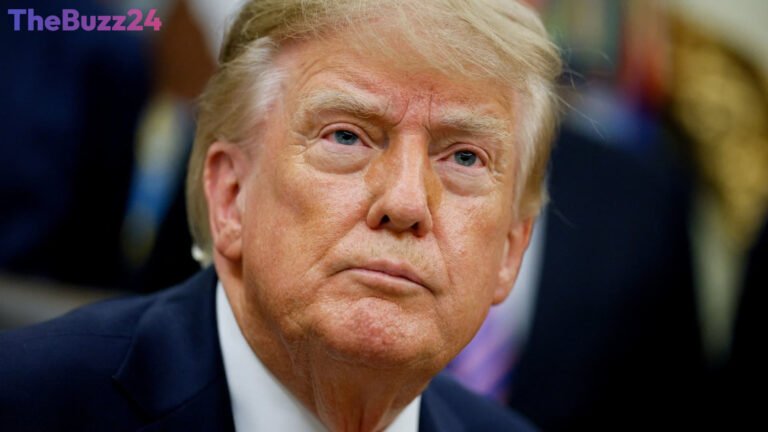
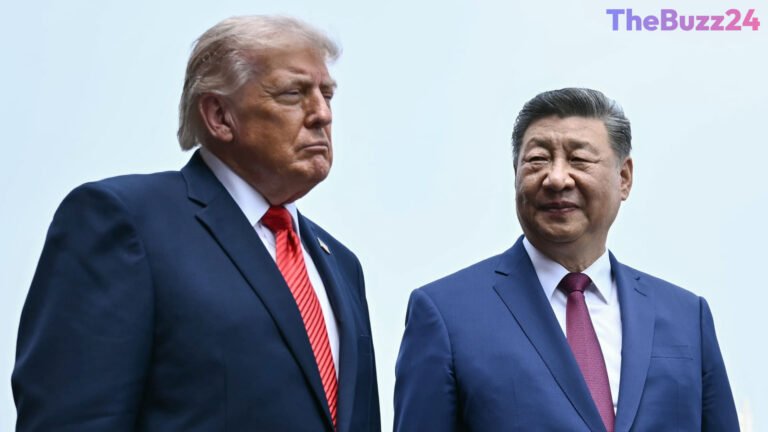
The market response came after U.S. President Donald Trump stated via social media that Washington had agreed to delay military strikes following requests from Tehran and neighboring regional leaders. According to the reported framework, the proposed agreement hinges on the immediate and total reopening of the vital Strait of Hormuz alongside measures aimed at concluding Iran’s nuclear threat. Tensions had previously escalated amid fears of direct military confrontation following months of strained diplomatic relations.
Iranian officials responded to the news with measured skepticism. Seyyed Majid Ibn Al-Reza, Iran’s acting defense minister, noted that while public statements could be part of a psychological strategy, domestic security forces continue to treat every potential threat seriously. Meanwhile, regional media outlets affiliated with Iranian state institutions characterized the proposed conditions as an overreaching demand, signaling that substantial hurdles remain before any definitive accord can be finalized.
Key Takeaways
- Oil prices dropped between 4% and 5% following the suspension of planned U.S. military strikes against Iran.
- The preliminary diplomatic framework focuses on reopening the Strait of Hormuz and addressing nuclear concerns.
- Iranian officials responded with caution, emphasizing high military readiness despite the potential shift toward negotiation.
Editor’s Analysis & Impact
The immediate retreat in crude oil prices underscores how sensitive global energy markets remain to military friction in the Persian Gulf, particularly concerning the Strait of Hormuz, through which a major portion of the world’s petroleum flows. While the temporary delay of strikes provides welcome relief to energy traders and inflation-wary economies, sustained price stability hinges on tangible diplomatic outcomes. Given the guarded response from Iranian defense officials, investors should anticipate ongoing volatility. If talks stall or rhetorical conflict escalates, risk premiums could rapidly re-emerge, driving energy benchmarks back up.
Frequently Asked Questions
Q: Why did global crude oil prices drop suddenly?
A: Oil prices declined after U.S. President Donald Trump announced the cancellation of planned military strikes against Iran, alleviating immediate fears of supply disruptions in the Middle East.
Q: What conditions are included in the proposed U.S.-Iran diplomatic agreement?
A: The outlined proposal includes the total and immediate reopening of the Strait of Hormuz and a commitment to ending Iran's nuclear threat.
Q: How did Iran respond to the announcement of halted military strikes?
A: Iranian defense leadership expressed caution, stating that while they remain vigilant against all threats, they view recent diplomatic declarations through a strategic and watchful lens.
AI Disclosure: This article is based on verified data and official reports. Our Team and AI have cross-referenced every financial detail with primary sources to ensure total accuracy.
More from this Category