Russia and China Deepen Strategic Ties Despite Stalled Gas Pipeline Negotiations
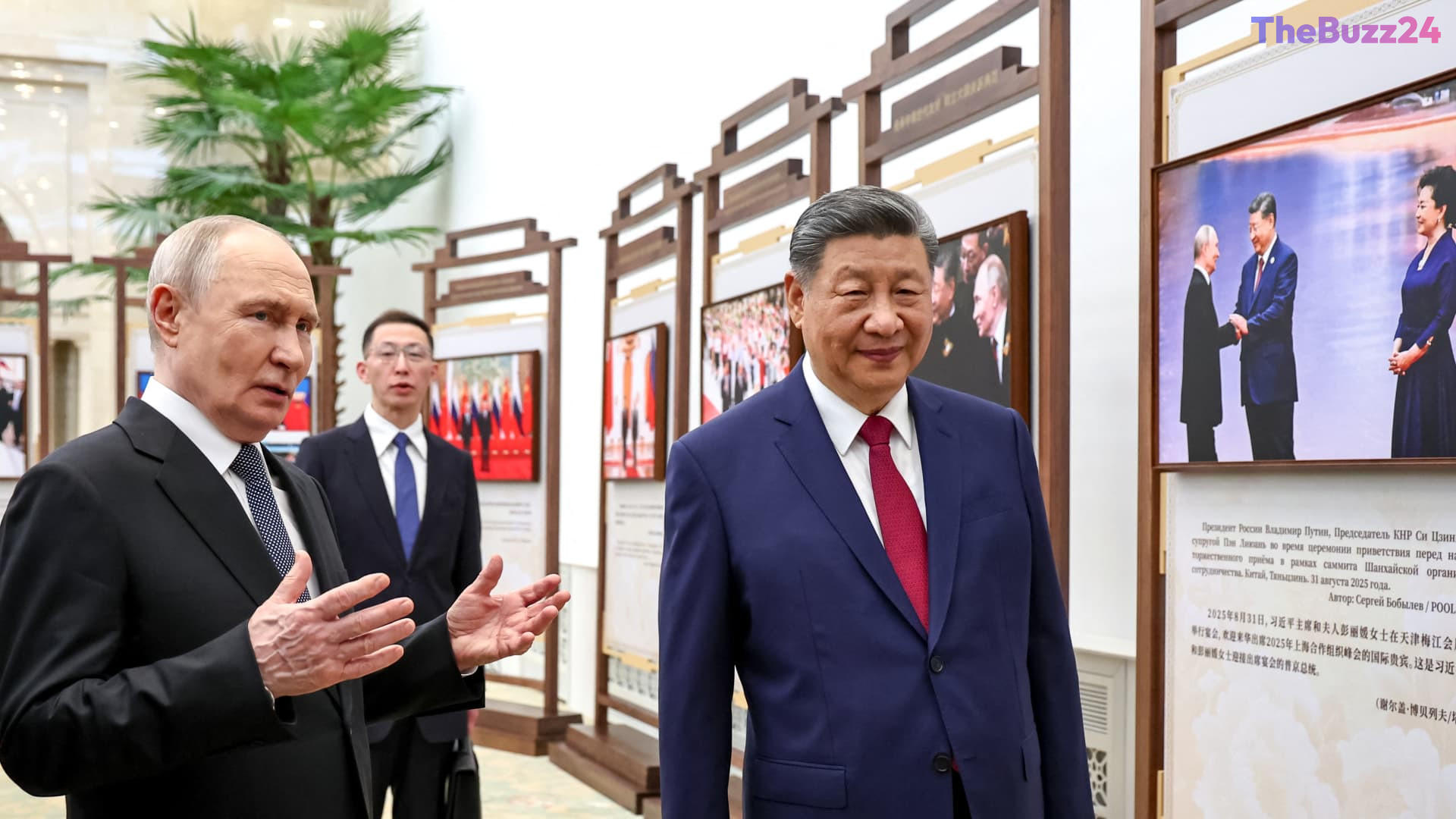
Russian President Vladimir Putin recently concluded a significant three-day state visit to China, resulting in the signing of over 40 bilateral agreements. The pacts span a wide range of sectors, including commerce, education, technology, and nuclear security. While the visit served to reinforce the “unyielding” partnership between the two nations, it notably failed to produce a breakthrough on the long-discussed Power of Siberia 2 gas pipeline project.
The proposed pipeline, designed to transport 50 billion cubic meters of natural gas annually from Russia to China through Mongolia, remains in a state of limbo. Despite extensive discussions, the two sides have yet to finalize a timeline or reach a consensus on critical issues such as pricing, financing, and delivery logistics. Kremlin officials acknowledged that while there is a shared understanding of the project’s goals, specific nuances continue to hinder progress. Notably, the project was absent from official remarks made by President Xi Jinping regarding energy cooperation.
Beyond the energy sector, the visit underscored a strengthening of the geopolitical alliance between Moscow and Beijing. The two countries committed to expanding joint military exercises and maritime patrols, while reaffirming mutual support on sensitive international issues. As Russia’s largest trading partner, China continues to play a vital role in Moscow’s economic strategy, particularly as Russia seeks to pivot away from Western markets. However, the current economic dynamic remains asymmetrical, with China maintaining a more cautious approach to its energy procurement strategy to avoid over-reliance on a single supplier.
Key Takeaways
- Russia and China signed over 40 bilateral agreements covering trade, technology, and security during President Putin's visit.
- The Power of Siberia 2 gas pipeline project remains stalled due to unresolved disagreements over pricing and financing.
- The diplomatic visit highlighted an deepening strategic partnership, even as China maintains a cautious economic stance regarding energy dependence.
Editor’s Analysis & Impact
The outcome of the recent summit highlights the evolving power dynamic between Moscow and Beijing. While Russia is desperate to secure new export routes for its energy resources following the loss of European markets, China is exercising significant leverage. Beijing’s reluctance to commit to the Power of Siberia 2 project suggests a strategic desire to maintain energy security through diversification rather than becoming overly dependent on Russian supply. For Russia, the failure to secure this deal underscores the limitations of its ‘pivot to the East.’ Moving forward, the relationship will likely continue to strengthen in military and political spheres, but economic integration will remain constrained by China’s pragmatic approach to its own national interests and its broader global trade relationships.
Frequently Asked Questions
Q: What is the Power of Siberia 2 project?
A: It is a proposed natural gas pipeline intended to transport up to 50 billion cubic meters of Russian gas to China via Mongolia.
Q: Why has the pipeline project not been finalized?
A: Negotiations have stalled due to disagreements over pricing, financing, and delivery schedules, with China appearing cautious about becoming too dependent on a single energy supplier.
AI Disclosure: This article is based on verified data and official reports. Our Team and AI have cross-referenced every financial detail with primary sources to ensure total accuracy.
More from this Category