Waymo Pauses Freeway Operations to Enhance Autonomous Navigation Systems
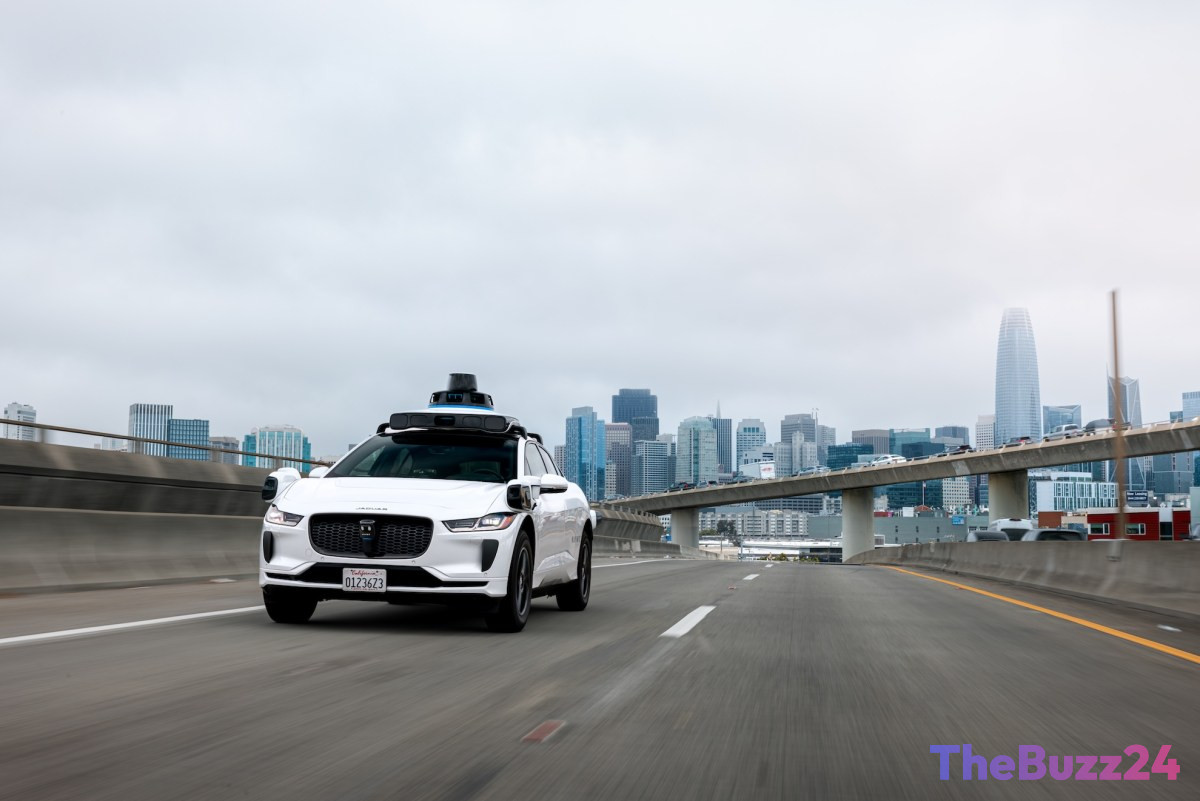
Waymo has initiated a temporary suspension of its autonomous vehicle services on freeways across several major metropolitan hubs, including San Francisco, Los Angeles, Phoenix, and Miami. The strategic pause is designed to allow engineers to refine the company’s navigation software, specifically focusing on improving how robotaxis interpret and maneuver through complex highway construction zones. While high-speed freeway access is currently restricted, the company confirmed that its fleet remains fully operational on local surface streets within these cities.
This operational adjustment follows previous service pauses in Atlanta and San Antonio, where the company encountered difficulties navigating extreme weather conditions, such as flooded roadways. These challenges have prompted a series of software updates and safety recalls as Waymo works to harden its autonomous systems against unpredictable environmental variables. The ability to safely navigate freeways remains a cornerstone of the company’s business model, as these routes are essential for reducing passenger travel times and facilitating efficient transit to major airports.
Despite these technical hurdles, Waymo maintains an ambitious growth trajectory. The company is actively pursuing a goal of reaching one million paid rides per week by the end of 2026. To support this expansion, Waymo is currently testing the ‘Ojai’ robotaxi model, developed in partnership with Zeekr. By integrating recent data and technical learnings into its core software, the company expects to resolve current navigation limitations and resume full freeway service in the near future.
Key Takeaways
- Waymo has temporarily halted freeway robotaxi services in major cities to improve navigation through construction zones.
- Local surface street operations remain unaffected by the current freeway suspension.
- The company is continuing its expansion efforts, including testing the new Zeekr-built 'Ojai' vehicle model.
Editor’s Analysis & Impact
Waymo’s decision to pause freeway operations highlights the ongoing ‘last mile’ versus ‘high-speed’ challenge in autonomous vehicle development. While urban surface street navigation has reached a high level of maturity, the dynamic and high-stakes nature of freeway construction zones presents a unique hurdle for AI perception systems. This move is a prudent risk-management strategy; by prioritizing safety and software refinement over immediate service availability, Waymo is likely attempting to avoid the regulatory scrutiny that has hampered competitors. The long-term success of the robotaxi industry depends on proving that autonomous systems can handle high-speed traffic as reliably as human drivers. If Waymo successfully integrates these software updates, it will solidify its position as the industry leader, potentially accelerating the path toward mass-market adoption and the ambitious goal of one million weekly rides.
Frequently Asked Questions
Q: Are Waymo robotaxis still available for use?
A: Yes, Waymo robotaxis remain fully operational on local surface streets in the affected cities; only freeway access is currently suspended.
Q: Why did Waymo suspend freeway services?
A: The suspension is a temporary measure to refine software navigation specifically for handling complex highway construction zones.
AI Disclosure: This article is based on verified data and official reports. Our Team and AI have cross-referenced every financial detail with primary sources to ensure total accuracy.
More from this Category